



Best Journal Apps in 2026: Free, Cross-Platform & Private Picks
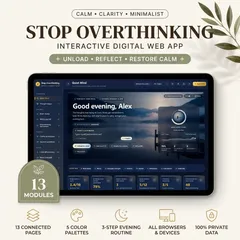
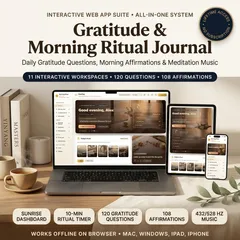
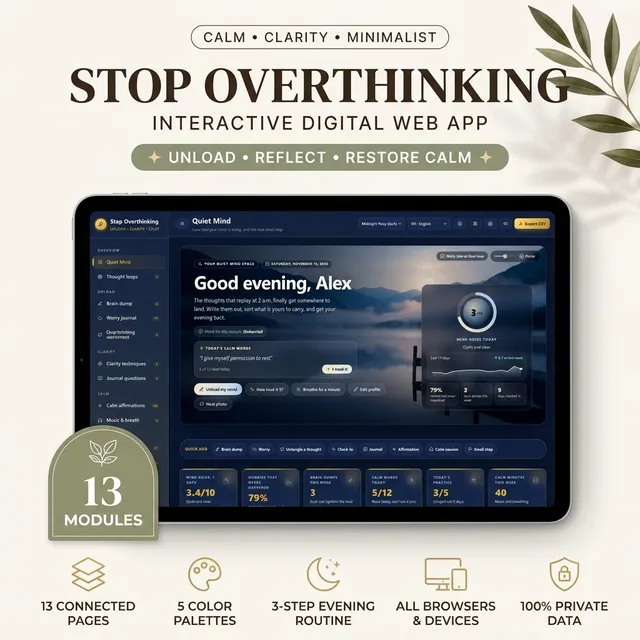
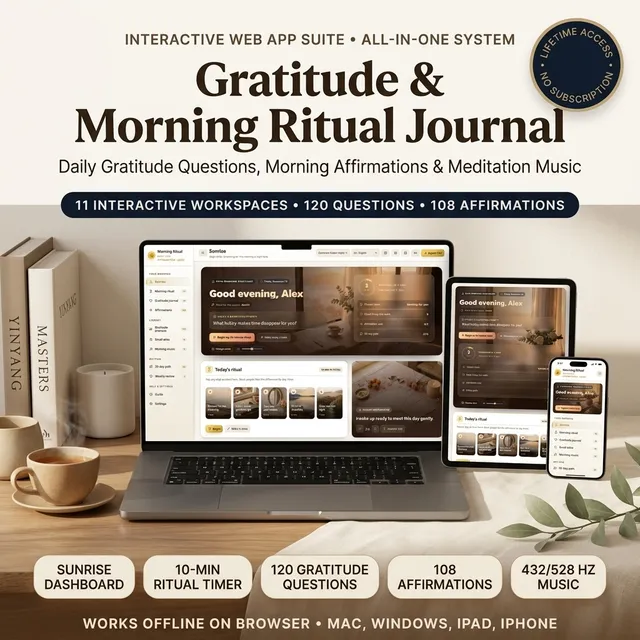
Direct answer: The best journal app depends on your ecosystem and privacy comfort. Day One leads for cross-platform multimedia archives, Apple Journal is effortless for iPhone-only capture, Reflection.app fits guided self-awareness, and offline local-storage browser journals are strongest when you want emotional prompts without cloud subscriptions or account logins.
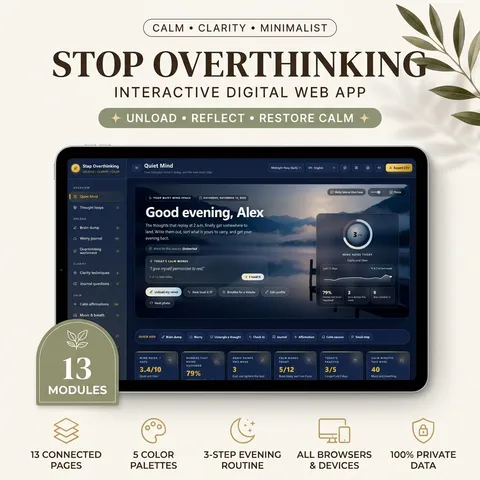
Picking software comes second to knowing what helps you put messy thoughts into clear words when stress runs high. If you want structured emotional writing questions before comparing interfaces, browse our library of emotional healing journal prompts first.
Why Most People Abandon the Best Journal App After Week Two
Every January, millions install whichever best journal app tops the App Store charts—then stop opening it fourteen days later. Three recurring design traps explain why:
- Blank-Page Paralysis: Staring at an empty white editor at night invites rumination rather than relief when no specific prompt meets your mood.
- Subscription Fatigue: Monthly paywalls for basic tags, encryption, or extra notebooks turn a calming five-minute habit into another recurring utility bill.
- Notification Noise: Trying to build emotional stillness inside a phone stacked with urgent chat pings makes deep honesty difficult unless you lock the tool inside a distraction-free ritual.
Before installing five tools at once, decide whether you want an unstructured life archive (saving photos, audio clips, and travel pins) or a guided mindset container (focused questions that settle an anxious mind in under ten minutes). If you primarily write on a larger canvas with a stylus, also check our guide on choosing a digital journal for iPad.
How to Use Daily Journal Apps Consistently for Mental Health
Journaling for mental health works best when structure replaces willpower. Clinical studies summarized by the American Psychological Association indicate that translating turbulent experiences into coherent written narratives lowers physiological stress load over time—provided entries organize emotion rather than endlessly replaying a worry loop.