Pairing a boundaries workbook with a self-compassion workbook gives you two complementary everyday habits: concise, respectful scripts for protecting your time and energy, plus gentle inner-critic rewrites so temporary guilt does not undo your limits.
Interactive Practice Web App · Full Edition14 modules
Shadow Work Journal & Sound Healing Guide
You learn what really triggers you and which tools calm you down fastest, laid out on a simple weekly chart.
Web app for phone or laptop. Log triggers, answer shadow work prompts and play the listening deck. No birth date needed.
👥 38k+ students👥 38,000+ students · 2.4M+ community
$27.99$20.99$27.99₫609,000₫456,000₫609,000
Step 1 · Tap the struggle that stops you most:
How this app solves it for you
A trigger log captures what set you off and what eased it, so the pattern finally loosens its grip.
Included inside: Themes gather every entry about the reactions and fears you keep returning to, so you finally see the pattern instead of isolated bad days.
Step 2 · Inspect real app screens inside
Healing Overview
14 modules · 2 live trial tabs
Organized command view tracking active shadow themes, emotional patterns, and ready-to-open guided tabs.
Pay once · Lifetime access · Instant email delivery
Yes. Shadow Work Journal & Sound Healing Guide — Inner Healing, Trigger Log & Solfeggio Frequencies is built for this: Log each trigger with the body sensation, strength before and after (0-10) and the tool you used.
Enter your birthday to see your 2027 Personal Year and the angel number for each month, with space to write your intentions.
A thoughtful boundaries workbook paired with a self compassion workbook solves the hardest part of saying no: staying steady through the guilt that often shows up five minutes after you state a clear limit. While boundary scripts clarify what you can and cannot take on, self-compassion exercises quiet the harsh inner critic that tempts you to over-explain or immediately backtrack.
Many thoughtful people read books about assertiveness yet still freeze during real family dinners or late-night work requests because the habit lives only in theory. Pairing practical written rehearsals with gentle emotional reflection from our shadow work and inner child reflection guide helps you notice unspoken needs before resentment builds.
Educational Disclaimer: This guide covers reflective journaling and everyday communication exercises for personal boundaries and self-kindness. It is strictly educational and non-clinical, makes zero medical claims, and never replaces licensed medical, psychological, or professional healthcare support.
Why Pairing a Boundaries Workbook With a Self-Compassion Workbook Works
Setting a healthy limit is rarely a single vocabulary problem. As overviews of personal boundaries highlight, clear limits protect time, emotional bandwidth, physical rest, and mutual respect across work and family roles. Yet people who grew up earning approval through constant accommodation often experience a rush of internal self-judgment the moment they decline an extra favor.
That is where a self compassion workbook changes the equation. Frameworks described in self-compassion research break self-kindness into three practical pillars: speaking to yourself with warmth instead of harshness, recognizing that imperfect moments are shared human experiences, and observing uncomfortable feelings cleanly without exaggerating them. When both tools sit inside one daily practice, four concrete shifts emerge:
Clear Needs Before Requests Arrive: Writing down your weekly time, rest, and communication limits in calm moments prevents rushed yeses made under pressure.
Short, Respectful Language: Rehearsing two-sentence scripts replaces long defensive apologies with grounded clarity rooted in everyday assertiveness skills.
Inner Critic Interruption: Rewriting automatic self-scolding ("I am selfish for resting") into steady, balanced encouragement stops guilt from undoing healthy boundaries.
Visible Care Tracking: Logging simple daily care moments across two weeks shows you which habits steadily protect your energy and confidence.
If self-doubt frequently undercuts your voice when stating preferences, pair these exercises with the daily self-talk tools in our self-esteem and confidence workbook guide.
How to Practice Clear Limits With a Four-Part Boundaries Workbook Routine
A boundaries workbook delivers real change when each session stays short—around ten minutes—and moves cleanly from awareness into one real-life phrase you can actually say out loud. Walk through these four steps whenever a recurring drain shows up on your calendar:
Step 1 — Name the Energy Drain Honestly (Minutes 1–2): Write one specific recurring situation without labeling anyone as a villain—for instance, "Receiving non-urgent project pings at 9:30 PM on weeknights" or "Hosting last-minute weekend visits without notice."
Step 2 — Identify the Unmet Need Underneath (Minutes 3–4): Note which personal need is asking for care right now: quiet evening recovery, predictable focus hours, financial clarity, or simply being asked before plans are finalized.
Step 3 — Draft a Two-Sentence Calm Script (Minutes 5–7): Keep your wording warm, firm, and under thirty words. State what you can do and what you will do if the limit is crossed, skipping lengthy excuses. Example: "I check work messages between 9:00 AM and 6:00 PM on weekdays, so I will review this first thing tomorrow morning."
Step 4 — Run a Two-Minute Self-Compassion Check-In (Minutes 8–10): Notice what your inner critic whispers after drafting that line ("They will think you are unhelpful"). Write one kinder reply directly underneath ("Protecting evening rest helps me show up sharper and kinder during work hours") and take three slow exhales before closing the page.
Handling the "Guilt Hangover" After Saying No
Even when you deliver a boundary politely, discomfort can linger for an hour afterward—especially if saying no is a brand-new habit. Treat that temporary discomfort like sore muscles after your first walk in months rather than proof that you did something wrong. Keep a short 3-line check-in inside your self compassion workbook: name the physical tension ("tight chest"), remind yourself you spoke respectfully without hostility, and avoid sending a second "sorry again!" message that dilutes your original limit.
Comparing Guided Self-Compassion Workbooks, Blank Notebooks, and Interactive Journals
Choosing between a blank notebook, a structured paper workbook, and an interactive guided web app comes down to how much gentle scaffolding you want when emotions run high.
Reflection Factor
Blank Paper Notebook
Bound Paper Workbook
Interactive Guided Self-Compassion Web App
Inner Critic Support
Easy to spiral into self-blame without structured guardrails
Provides fixed written prompts across printed chapters
Scattered entries make recurring patterns hard to notice
Manual checklists require flipping back across past sections
Logs daily childhood needs and confidence trends on a 14-day care ring or 14–90 day view
In-the-Moment Accessibility
Often left at home during workdays or family visits
Best suited to quiet desk study rather than quick mid-day resets
Opens privately on phone or laptop whenever you need a calm 5-minute check-in
Best Fit For
Open-ended journaling on calm evenings
Slow weekend reading with pen and highlighter
Consistent daily self-kindness, gentle forgiveness prompts, and visible care habits
If replaying awkward boundary conversations keeps looping in your head after Lights Out, pair your evening pages with our overthinking workbook and worry journal guide to park repetitive thoughts cleanly.
Everyday Boundary Scripts for Workplaces, Family Expectations, and Digital Availability
Clear boundaries feel much easier once you see ordinary examples written in plain, polite English rather than stiff textbook phrasing. Adapt these worked examples inside your boundaries workbook to match your own voice.
Worked Example 1: Protecting Scope at Work Without Sounding Defensive
Situation: A colleague asks at 4:45 PM on Friday if you can polish an extra slide deck over the weekend for Monday's sync. Old Reflex: Say "Sure, no problem!" while privately canceling Saturday rest and feeling resentful all weekend. Boundary Script: "My weekend is fully committed, so I cannot take this on before Monday. If you send the draft by 9:00 AM Monday, I can review the summary slides before noon." Self-Compassion Reframe: "Giving an honest timeline upfront respects both my rest and my teammate's planning."
Worked Example 2: Gentle Limits With Well-Meaning Family Advice
Situation: A relative repeatedly pushes unsolicited opinions about your career or personal choices at every gathering. Boundary Script: "I know you care about how things go for me, and I appreciate that. Right now I am keeping this decision private while I work through it—let's catch up on how your garden has been doing instead." Self-Compassion Reframe: "I can love my family deeply and still decide which personal topics stay off the table."
Worked Example 3: Quiet Digital Availability
Situation: Group chats expect instant replies during focused daytime hours. Boundary Script: "I keep chat notifications silenced while working, so I catch up on messages once around 6:30 PM—call directly if anything is truly urgent."
Gentle Guided Companions for Daily Self-Kindness and Emotional Clarity
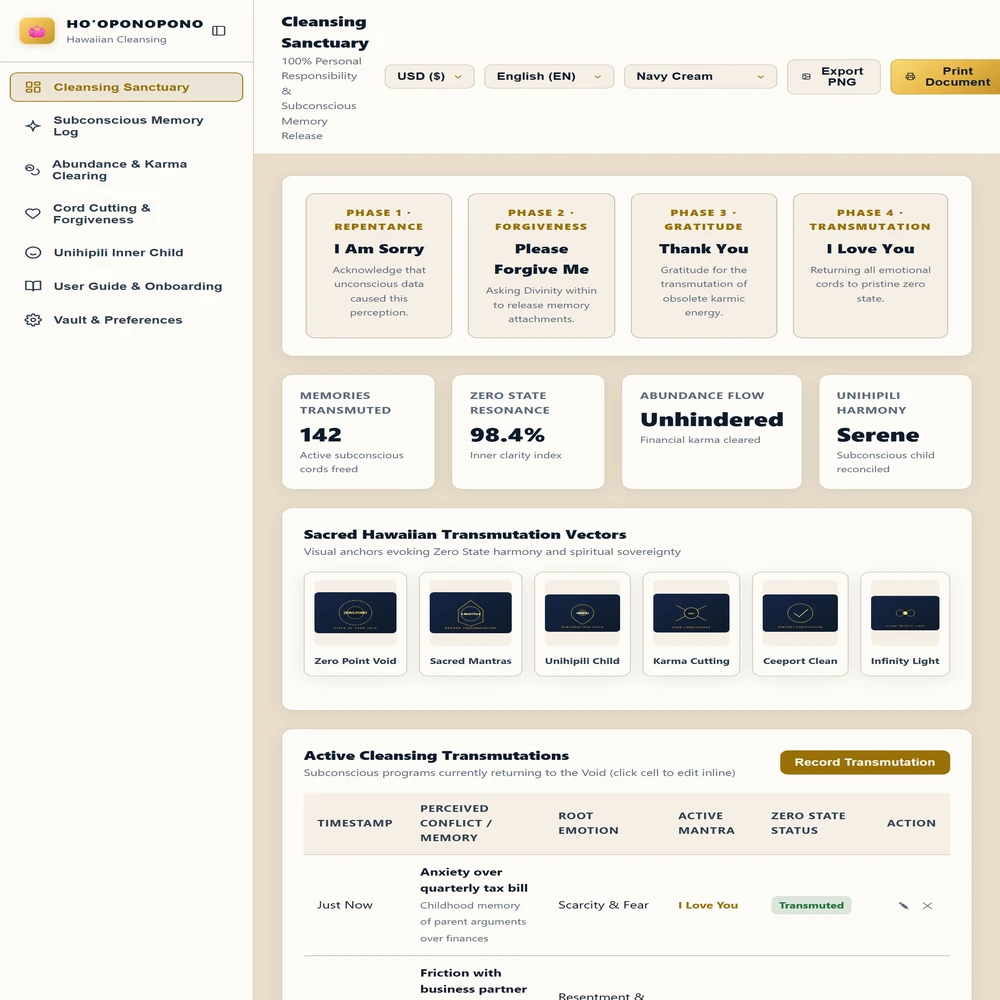
If you want a quiet, structured space on your phone or laptop to practice self-kindness, explore old emotional patterns, and answer your inner critic with steadier warmth, take a look at the Inner Child Healing & Forgiveness Workbook. You can move at your own pace through 90 gentle questions across four reflective stages, write letters to your younger self alongside a childhood photo, log which of eight childhood needs you meet each day, practice the four Ho'oponopono phrases with a counter, listen to a voiced guided meditation in three parts, and watch your care habits build on a 14-day care ring.
To strengthen everyday self-talk right alongside your boundary practice, pair it with the Self-Love & Confidence Journal, where you can say 108 affirmations with a daily counter, flip cards, and a read-aloud breathing mode, practice timed mirror work of 1 to 5 minutes, rewrite harsh inner critic thoughts into kinder ones, track 14 to 90-day confidence trends to see what lifts you, and listen to a voiced self-love meditation.
Choose one small boundary you have been postponing this week, draft your two-sentence script in calm language tonight, and answer any wave of guilt with the same warmth you would offer a trusted friend.
Apply it now
Put this article into practice
Over 8 years, members of a 2,400,000-strong community, including 38,000+ students, have reported real changes after keeping these practices up.
Understand your reactions and gently heal old patterns. Name the themes you keep circling, map each shadow part, log what sets you off and discover what truly helps you calm down.
For more than 8 years, a community of over 2,400,000 followers and 38,000+ students has shared how these daily practices helped in love, money and inner calm.
Every hour Moon Keeper reads the sky, draws one tarot card and shares a calm 3-minute reflection. Drop by the altar, follow the hourly diary and leave a note in the guestbook.
One short email a day: a practice for today, a real reader story, and the newest guide on love, money and inner calm.
For more than 8 years, a community of over 2,400,000 followers and 38,000+ students has shared how these daily practices helped in love, money and inner calm.