432 Hz vs 440 Hz Controversy: Benefits, History & Blind Sound Test

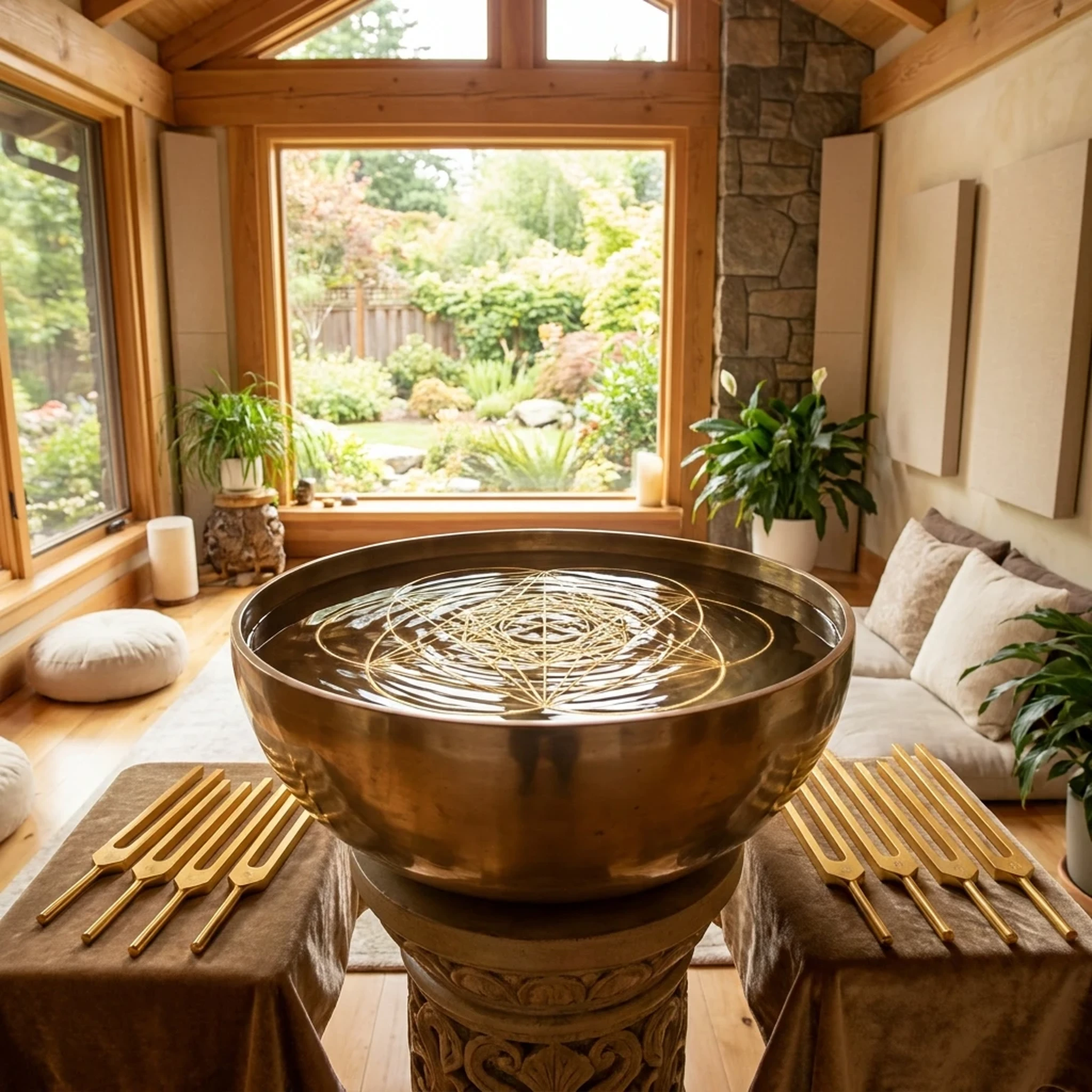
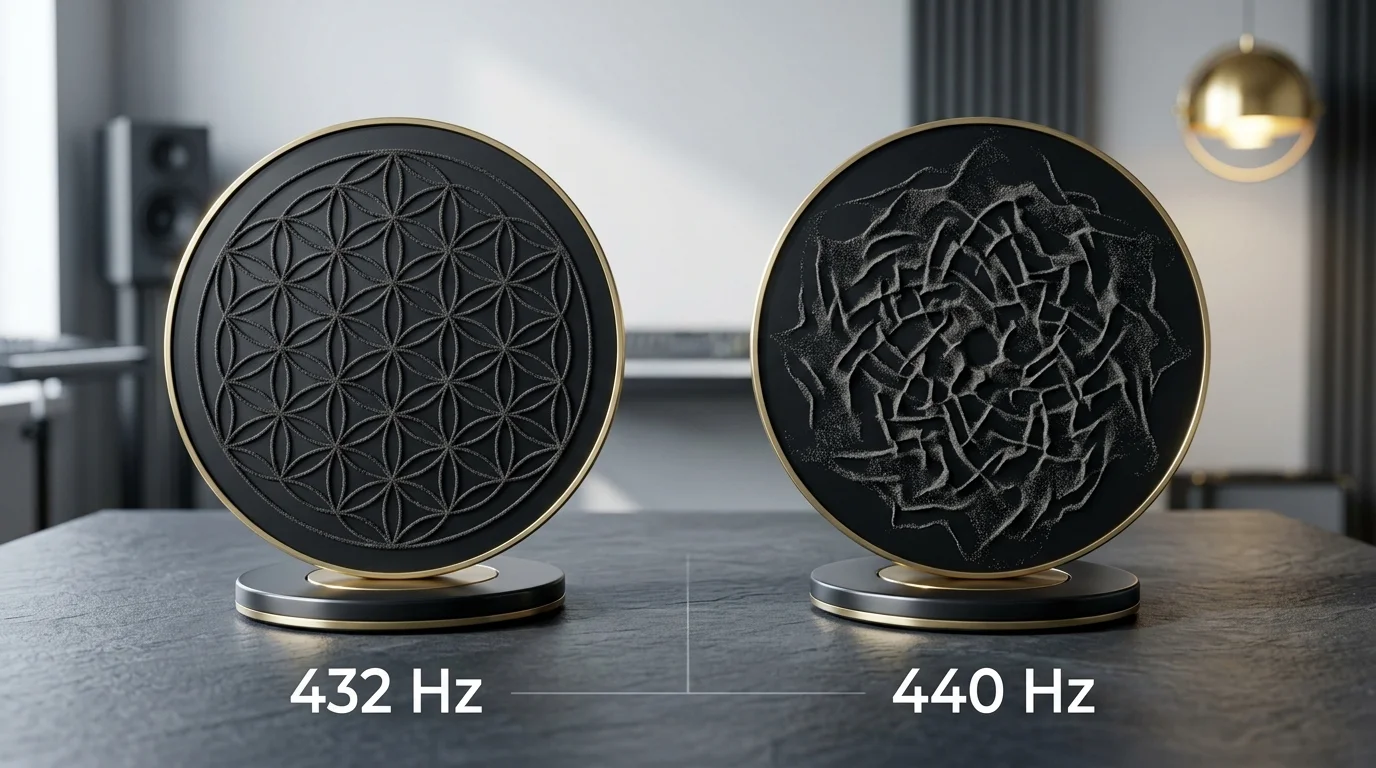
The 432 vs 440 debate is about which pitch the note A should be. A=440 Hz became the international standard in 1939 and ISO 16:1975; some musicians prefer A=432 Hz and describe it as warmer. Evidence for health effects is limited to small studies — the fairest test is a blind comparison with your own ears.

Want to go further with this result?
Your free 2027 Angel Number Year Map
Enter your birthday to see your 2027 Personal Year and the angel number for each month, with space to write your intentions.
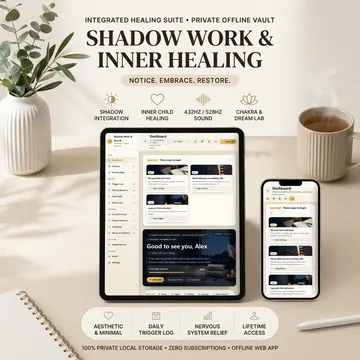
You just tried the quick preview. Open the full browser web app to save private entries on your device, listen to guided audio, and track daily progress.
- Open in 10s
- Saved on your device · $0 monthly
- EN · VI · ZH included
Disclaimer: This interactive tool is intended for personal practice and informational purposes only, not professional financial or medical advice.
Quick answers
Reading historical arguments about concert pitch will never tell you which tuning actually sounds softer to your own ears on your own headphones. Because expectations easily bias what we think we hear, the only honest way to settle the 432 Hz versus 440 Hz question is to switch between the two tones yourself without overthinking the labels. Use the Free Web-Audio Solfeggio & Binaural Frequency Generator on this page to compare pitches directly, and note your listening comfort across a week of evening wind-downs in the Shadow Work & Sound Healing Journal.
Where A=440 came from
International delegates established A=440 Hz as the standard concert pitch during a 1939 London conference to harmonize conflicting orchestra tunings across Europe. The International Organization for Standardization formally codified this frequency in ISO 16:1975. This unified acoustic baseline simplified instrument manufacturing and orchestral coordination worldwide.
Get Your Free 2027 Angel Number Year Map
Enter your birthday to reveal your 2027 Personal Year, the angel number guiding each month, and a private workspace to set your intentions.
How to run your own blind test
Running an objective blind test requires randomized playback pairs of identical musical passages at both pitch standards. Evaluators log immediate perceptual preferences across twenty trials without knowing which tuning is playing. Consistent scores above chance reveal authentic personal acoustic sensitivity.
- Use headphones in a quiet room at a low, comfortable volume.
- Have someone else — or a tool — play the same chord or short piece at 432 Hz and 440 Hz in random order.
- After each pair, note which felt calmer and guess which was 432 Hz.
- Repeat at least 20 times on different days. Around 50% correct guesses means you cannot tell them apart; a clear preference still matters if it is consistent.
- Keep a simple log of calm before and after listening sessions to see what helps you in practice.
The 432 Hz vs 440 Hz Listening Lab & Binaural Session Tracker automates this: it plays the same chord at both tunings in random order, records your answers and accuracy against chance, converts every note between the two standards, includes a binaural-beat generator with a timer and volume cap, and logs your sessions and reflections.
Why some people prefer 432 Hz
Listeners favor 432 Hz tuning because the lower pitch produces a noticeably warmer, softer acoustic quality. Classical composers including Giuseppe Verdi advocated for lower concert pitch baselines to protect vocal cords. Modern enthusiasts also value the distinct acoustic warmth across acoustic guitar and string instruments.
- Historical taste. Giuseppe Verdi argued for a lower pitch and came to prefer A=432.
- Sound. Many listeners describe 432-tuned music as rounder or warmer, partly because everything is about a third of a semitone lower.
- Numerology and cosmology claims. Online, 432 is linked to sacred geometry and "the frequency of the universe". These are symbolic claims rather than measurements.
A widely shared story says 440 Hz was chosen to make people anxious or controllable. There is no historical evidence for that; the record shows a practical standardisation process.
What research actually shows
Peer-reviewed research shows modest autonomic relaxation from 432 Hz music without supporting clinical healing claims. A 2019 pilot study observed slight reductions in heart rate, yet broader therapeutic benefits remain unproven. Listening to 432 Hz music serves as a personal calming ritual rather than medical treatment.
| Claim | What is known |
|---|---|
| 432 Hz music is more relaxing | A 2019 double-blind pilot study (Calamassi & Pomponi, 33 volunteers) found slightly lower heart and respiratory rates with 432 Hz music. Small and preliminary. |
| 440 Hz causes stress | No good evidence. |
| 432 Hz heals cells or DNA | No evidence. |
| People can hear the difference | Side by side, some can; in blind tests, many cannot reliably. |
The honest summary: 432 Hz may feel pleasant to you, and that is a perfectly good reason to listen to it. It is not a treatment.
Binaural beats in brief
Binaural beats occur when headphones deliver slightly different sound frequencies to each ear, prompting the brain to perceive an internal rhythmic pulse. Research confirms gentle sensory entrainment, though clinical anxiety relief outcomes vary widely. Listeners should maintain moderate volume and avoid listening while operating vehicles.
Related practices
Complementary auditory practices integrate specific sound frequencies with somatic mindfulness to optimize personal relaxation routines. Practitioners frequently combine targeted frequency sessions with structured breathwork and reflective journaling to track physiological changes over time.
- For the nine Solfeggio tones often paired with 432 Hz playlists, the Solfeggio Frequencies & Sound Healing Tracker includes a tone synthesizer and sound-bath journal.
- If listening sessions leave you wired rather than calm, the Grounding & Nervous System Reset Guide offers somatic exercises.
- For a meditation practice that pairs sound with reflection, the Soul Star Chakra & Higher Self Journal logs practices with calm before and after.
A grounded note
Music and sound practices can support relaxation, but they are not a substitute for medical or mental-health care, and no frequency is guaranteed to produce a specific effect.
Strategic Topic Frameworks & Practical Connections
To deepen your practical mastery and build an integrated operational workflow within this topic, explore these complementary guides:
- Implement the execution protocols in 528 Hz Benefits & Solfeggio Miracle Tone Guide to systematically strengthen your foundational routine.
- Explore the strategic principles detailed in 528 Hz Frequency Benefits: Sound Healing & Heart Chakra Guide for advanced optimization and mental clarity.
- Apply the structured methods from 639 Hz Solfeggio Frequency: Relationship Healing & Heart Resonance Guide to maintain long-term momentum and consistency.
Frequently Asked Questions
Both are reference pitches for the note A above middle C. 432 Hz is about 31.77 cents — roughly a third of a semitone — lower than the 440 Hz standard.
Sources & Verified References
- [1]Calamassi et al. (2020), Music Tuned to 432 Hz versus 440 Hz for Improving Sleep (Acta Biomedica) ↗
- [2]PubMed — Thoma et al. (2013), The Effect of Music on the Human Stress Response (PLOS One) ↗
Reviewed for practical mindfulness & personal development alignment. Editorial Policy
Topic Pillar
Sound Healing & Solfeggio Frequencies
Explore soothing Solfeggio tones like 417Hz, 432Hz, and 528Hz for deep relaxation, restful sleep, and emotional calm.
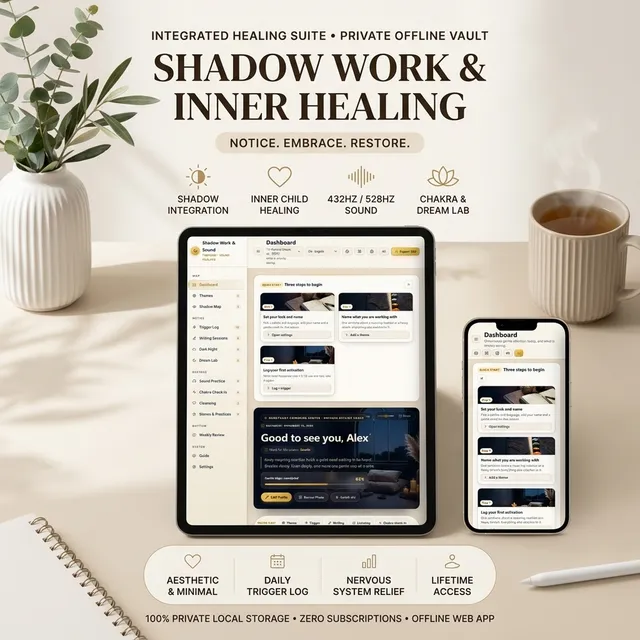
How readers changed with these practices
Over 8 years, members of a 2,400,000-strong community, including 38,000+ students, have reported real changes after keeping these practices up.
 Love story
Twin Flame Journal Results: Real Stories & Daily Practice
Does a twin flame journal work? Real stories of healing after breakups, calling in a soulmate and finding calm, plus how the daily practice looks.
Read guide Money story
Money Manifestation Journal Results: Real Stories
Does a money manifestation journal work? Real stories of paying off debt, asking for a raise and easing money anxiety, plus the daily practice.
Read guide
 Love story
Manifest After a Breakup: Real Healing Stories
Real stories of manifesting after a breakup: how people used self-love affirmations, mirror work and a love journal to heal and open up again.
Read guide Money story
Manifest Debt Free: Real Stories of Steady Progress
Real stories of manifesting a debt-free life: money affirmations and an abundance journal paired with a clear goal, a deadline and daily evidence.
Read guide Love story
Manifest Your Soulmate: Real Stories That Started Within
Real stories of manifesting a soulmate: how people wrote an Ideal Partner Script, built a vision board and said yes to life before love arrived.
Read guide Money story
Manifest a Raise: Real Stories of Asking With Confidence
Real stories of manifesting a raise or promotion: clearing money blocks, practising confidence affirmations and logging proof before asking.
Read guide Love story
Twin Flame Reunion Stories: Real Journeys to Peace
Real twin flame reunion stories: how people used journey stages, a signs log and guided meditation to find peace during separation, together or apart.
Read guide Money story
Money Anxiety to Money Calm: Real Stories
Real stories of easing money anxiety: a short guided meditation before checking accounts, a weekly money date and a gentle look at old beliefs.
Read guide
More Guides in This Topic
View all (11) →396 Hz Frequency Benefits: Solfeggio Root Chakra Guide
396 Hz frequency benefits: a Solfeggio tone used for root chakra grounding and releasing fear and guilt. How to listen and what to notice afterwards.
Read guide
417 Hz Frequency Benefits: Cleansing Negative Energy Guide
Discover 417 Hz frequency healing benefits. Learn how Solfeggio sound therapy clears negative energy, dissolves emotional trauma, and restores balance.
Read guide
432 Hz vs 528 Hz: Best Frequency for Deep Sleep & Healing
Compare 432 Hz vs 528 Hz for sleep and healing: the calming feel of 432 Hz, 528 Hz as an inner-renewal ritual, and how to choose.
Read guide
528 Hz Frequency Benefits: Solfeggio Miracle Tone Guide
Discover 528 Hz frequency benefits: Solfeggio love frequency, a calming listening ritual, wind-down sleep routines, and sound practice protocols.
Read guide
Go deeper: guide series on this topic
Each series answers one question across many cases, such as every angel number in love or every zodiac pair.
Healing Frequencies & Their Uses
Acoustic resonance, Solfeggio sound therapy, and brainwave entrainment operate on psychoacoustic principles, creating coherent sonic environments for mindfulness, focused contemplation, and holistic well-being.
72 guidesFrom the blog
Latest articles


Trending now
What readers are opening this week
Ranked by real visits over the last 7 days.
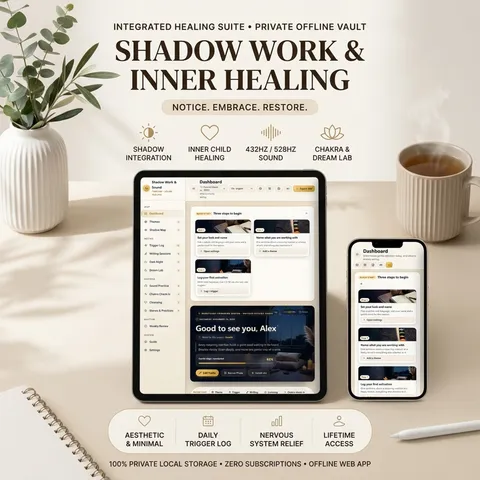
Shadow Work Journal & Sound Healing Guide — Inner Healing, Trigger Log & Solfeggio Frequencies
A private shadow work journal with a trigger log, shadow map and a calm listening deck, for gentle daily reflection.
Get Your Free 2027 Angel Number Year Map
Enter your birthday to reveal your 2027 Personal Year, the angel number guiding each month, and a private workspace to set your intentions.
Follow along
Daily rituals on your feed
Short guides, moon rituals and planner walkthroughs from Yin Yang Masters.


Keep exploring
More from Yin Yang Masters




Ask Yinyang Masters inside your AI assistant
Get the same calculations and guidance right in your chat: add the free Yinyang Masters app, then ask in plain English. No account needed.
Try asking: “Which Solfeggio frequency helps with sleep and calm?”

Meet Moon Keeper, our live altar host
Every hour Moon Keeper reads the sky, draws one tarot card and shares a calm 3-minute reflection. Drop by the altar, follow the hourly diary and leave a note in the guestbook.

Get the Yin Yang Masters Letter Every Day
One short email a day: a practice for today, a real reader story, and the newest guide on love, money and inner calm.
For more than 8 years, a community of over 2,400,000 followers and 38,000+ students has shared how these daily practices helped in love, money and inner calm.