The bob proctor goal card is one of the most celebrated and practical cognitive tools in personal development, designed to bridge conscious aspiration with subconscious execution. By carrying a small, physical card inscribed with a single visionary objective in the present tense, you establish a tactile sensory anchor that repeatedly interrupts automatic mental conditioning and steadily elevates your baseline frequency of expectation throughout the day.
Bob Proctor Goal Card: Complete Example, Template, and Paradigm Shift Guide

Jennie Uyên Chu
Chuyên gia Tâm thức & Năng lượng

Bài này hiện chỉ có bản tiếng Việt.
Ứng dụng thực hành tương tác · Bản trọn bộ14 phân hệ
Sổ Hiện Thực Hoá & Viết Ý Định (Manifestation Journal)
Mỗi ý định có đủ kịch bản, vision board và điểm niềm tin hằng tuần ở một chỗ, nên bạn viết đều không bỏ dở và thấy rõ niềm tin của mình tăng lên qua từng tuần.
Web app dùng trên điện thoại hoặc laptop. Mỗi ngày viết ý định và kịch bản, đếm vòng 3-6-9 và theo nghi thức trăng. Không cần nhập ngày sinh.
👥 38.000+ học viên👥 38.000+ học viên · Cộng đồng 2,4M+
27,99 US$20,99 US$27,99 US$729.000 ₫546.000 ₫729.000 ₫Bước 1 · Chọn điều khiến bạn dễ bỏ dở nhất khi tự làm:
Cách ứng dụng tháo gỡ đúng điểm nghẽn này
Thanh chu kỳ đếm từng vòng cho bạn qua bảy phương pháp, bắt đầu là đi được tới đích.
Công cụ có sẵn bên trong: Bảy phương pháp viết nằm chung một chỗ, từ 3-6-9, 33x3 tới 55x5, 777, Lucky 13, cổng 11:11 và sống như đã thành, nên bạn không phải đi tìm hướng dẫn.
Bước 2 · Xem trực tiếp giao diện thật bên trong
Trung tâm Tổng quan
14 phân hệ · 2 tab mở thử miễn phíBảng tổng quan gom mục tiêu thu hút đang theo đuổi, chuỗi ngày thực hành và lối tắt tới từng công cụ viết.
Trả 1 lần duy nhất · Dùng trọn đời · Nhận qua email tức thì

Mẫu Thẻ Mục Tiêu Bản In Miễn Phí
Điền mục tiêu ở thì hiện tại, gắn ngày đạt được và in 4 thẻ mục tiêu chuẩn theo Bob Proctor trên 1 trang.
While conventional goal-setting seminars emphasize rigid annual planners and complex tracking spreadsheets, Bob Proctor reduced the transformative process to a portable, pocket-sized discipline that works directly on your neural wiring. For a deep historical study of Earl Nightingale’s influence, the cybernetic mechanism of paradigms, and comprehensive wealth philosophy, explore our foundational Bob Proctor goal card and paradigm shift guide. In this practical manual, we examine the precise mechanics of drafting your card: exact wording formulas, type classification frameworks, subconscious reprogramming science, and daily habit protocols that ensure permanent behavioral momentum.
Bob Proctor Goal Card: How Writing Daily Intentions Reprograms Your Paradigm
To appreciate why a simple piece of cardstock exerts such leverage over human achievement, one must understand how mental paradigms govern behavior. Bob Proctor defined a paradigm as a multitude of habits and subconscious beliefs that have been deeply programmed into your autonomic nervous system, largely before the age of reason. These paradigms dictate roughly 95 to 98 percent of your daily choices, reactions, emotional states, and financial outcomes.
When you attempt to alter your trajectory using conscious willpower alone, you encounter immediate psychological friction. Your conscious analytical mind decides on a new goal, but your subconscious paradigm operates on automated autopilot, sabotaging your efforts through procrastination, doubt, and comfort-seeking reflexes.
The bob proctor goal card acts as an intentional sensory bypass mechanism. By distilling your highest aspiration into an emotionally charged, physical object, you initiate a deliberate reconditioning loop:
- Somatic Sensory Anchoring: Every time your fingers touch the card in your pocket or wallet, tactile receptors send an immediate neural impulse to your brain’s reticular activating system, redirecting conscious attention back to your primary aim.
- Present-Tense Neurochemical Priming: Reading the statement written as an existing reality releases positive neurochemicals associated with satisfaction and certainty, replacing the chronic cortisol spikes of fear or scarcity.
- Cognitive Coherence Across Intentions: Many practitioners combine their daily goal card check-ins with evening scripting protocols, such as the how to write 369 manifestation method, harmonizing diurnal physical focus with nocturnal subconscious processing.
Proctor categorized all human objectives into three distinct tiers: A-Type, B-Type, and C-Type goals. Understanding these distinctions is fundamental before inscribing a single word onto your card, as outlined in the following analytical comparison:
Công cụ tra cứu miễn phí
Tạo câu khẳng định Luật Hấp Dẫn mỗi ngày
Trả lời nhanh
Có. Sổ Hiện Thực Hoá & Viết Ý Định (Manifestation Journal) — Phương Pháp 369, Luật Giả Định & Vision Board được làm cho đúng việc này: Viết mỗi ý định ở thì hiện tại và gom mọi kịch bản, thực hành, hình ảnh vision board về đúng ý định đó.
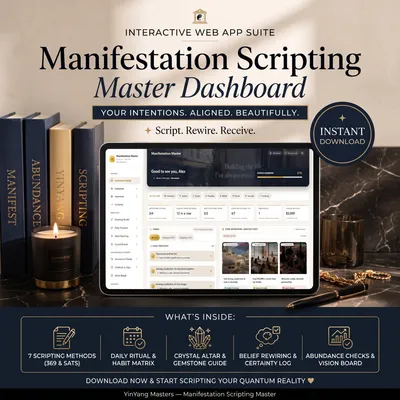 Sổ Hiện Thực Hoá & Viết Ý Định (Manifestation Journal) — Phương Pháp 369, Luật Giả Định & Vision BoardXem Sổ tay Tương tác →
| Goal Classification | Operational Nature | Subconscious Inspiration Level | Paradigm Shift Potential |
|---|---|---|---|
| A-Type Goal (Familiar) | Goals you already know how to accomplish (e.g., buying a comparable car or maintaining routine job duties). | Very Low (Causes mental complacency and zero developmental growth) | None (Reinforces the existing paradigm) |
| B-Type Goal (Calculated) | Goals you believe you can reach if everything goes according to a realistic linear business plan. | Moderate (Maintains motivation only while conditions remain favorable) | Minimal (Subconscious fear halts action at first disruption) |
| C-Type Goal (Visionary Fantasy) | Ambitious desires you have never achieved and currently have no logical idea how to manifest. | Maximum (Electrifies the imagination and demands internal transformation) | High (Forces a complete psychological rewiring) |

How to Write a Bob Proctor Goal Card: Exact Wording Formula and Examples
The linguistic formulation on your goal card is not a matter of casual preference; it follows an exact syntactic cadence designed to engage your emotional center without triggering analytical skepticism. Bob Proctor established a universal introductory formula that must open every legitimate card:
“I am so happy and grateful now that... [specific outcome, exact financial/lifestyle milestone, target date, and emotional resonance].”
— The classical Proctor opening syntax.
Notice the specific grammatical choices embedded within this phrase:
- “I am”: The two most powerful creative words in human linguistics. When followed by present-tense states, they act as an authoritative identity command directly to the subconscious.
- “So happy and grateful now that”: Gratitude is a high-frequency emotional state that dissolves psychological resistance. Stating gratitude in the absolute present (“now”) tells your nervous system that the event has already entered the spiritual and mental plane.
- A Definite Target Date: Vague timelines breed vague efforts. Assigning a precise calendar date (e.g., “by December 31, 2027”) creates subconscious urgency and structures your reticular activating system to seek matching resources.
- Single-Sentence Focus: Do not crowd your card with a shopping list of ten distinct desires. Select your primary “Chief Definite Aim”—the single breakthrough that, once attained, naturally elevates every other area of your life.
Here are three calibrated examples demonstrating how to draft your card across different life domains:
Financial Freedom Example
“I am so happy and grateful now that by December 31, 2026, I am earning $25,000 per month in net recurring income, serving clients globally with excellence and absolute integrity.”
Career & Purpose Example
“I am so happy and grateful now that by October 1, 2027, I am the founder of a thriving enterprise with over 100,000 dedicated users, waking up each day inspired, energized, and deeply fulfilled.”
Health & Vitality Example
“I am so happy and grateful now that my body vibrates with clean cellular vitality, my mind is razor-sharp, and I maintain my ideal lean weight of 165 pounds effortlessly every single day.”
Once drafted, write your sentence neatly by hand using durable ink onto a heavy cardstock measuring approximately 3 by 5 inches (standard index card size) or a dedicated business-card-sized blank slip. Many practitioners laminate their cards or slip them into a transparent protective sleeve to protect the paper from daily pocket friction.
The Paradigm Shift Mechanism: Why Repetition Overwrites Mental Conditioning
A common misconception among beginners is that reading the card once or twice per week is sufficient. In reality, modern cognitive neuroscience confirms what spiritual masters have taught for millennia: old synaptic patterns cannot be dismantled through casual exposure. They require constant, rhythmic neuro-sensory re-imprinting.
Your existing paradigms were formed through two primary mechanisms: emotional shock or constant spaced repetition. Because we do not rely on traumatic shock to construct empowering habits, spaced repetition becomes our primary tool of conscious evolution.
When you pull your goal card from your pocket and read it aloud, you activate multiple sensory pathways simultaneously:
- The Visual Circuit: Your optical nerves register the handwritten characters, transferring visual tokens to the visual cortex.
- The Kinesthetic & Somatic Circuit: Your fingertips register the physical texture and weight of the card. In cognitive science, this tactile feedback anchors abstract imagination into material reality.
- The Auditory Loop: Voicing the words aloud allows your ears to hear your own voice declaring the reality, bypassing cynical internal monologues.
- The Reticular Activating System (RAS): The RAS acts as the brain’s sensory filter. By presenting the same visionary outcome multiple times daily, you command the RAS to flag opportunities, meetings, books, and insights that were previously invisible to your conditioned mind.
This repetition protocol creates what Proctor termed “the Terror Barrier.” Whenever your conscious ambition significantly exceeds your subconscious paradigm, an internal alarm goes off. You experience sudden doubt, anxiety, and a visceral urge to abandon the card and return to safe, familiar routines. Recognizing the Terror Barrier as a necessary biological milestone rather than a personal failure allows you to persist until the new frequency stabilizes. For deep emotional grounding during this transition, many practitioners combine their daytime card routines with calming bedtime practices like keeping rose quartz under pillow to soothe nighttime anxious rumination.
Daily Routine, Common Pitfalls, and Real-World Practitioner Insights
Integrating your goal card into a sustainable daily rhythm does not require hours of complex meditation. Instead, it relies on brief, micro-moments of intense sensory presence distributed strategically throughout your day:
- The Morning Imprint (First 5 Minutes): Upon opening your eyes, do not reach for your smartphone or check news feeds. Before alpha brainwave rhythms give way to beta stress patterns, reach for your card on your bedside stand. Read it aloud slowly three times, closing your eyes between readings to feel the relief and pride of having arrived.
- The Diurnal Pocket Touch Anchor: Carry the card in your dominant pocket or inside a slim wallet you handle frequently. Throughout the day, whenever your fingers make contact with the cardstock, pause for ten seconds. Take one deep breath and mentally recite your core intention.
- The Evening Alignment (Before Sleep): Review your card immediately before sleep. As conscious critical faculties diminish, your subconscious remains receptive to the last dominant thoughts held in awareness. This practice harmonizes effectively with reflective inner work, such as journaling through inner child healing journal prompts, reconciling emotional blockages that could otherwise restrict your capacity to receive abundance.
To avoid the common mistakes that cause practitioners to abandon the practice prematurely, observe these essential safeguards:
- Avoid Changing the Goal Constantly: Subconscious re-wiring requires persistent directional focus. If you alter your goal card every three weeks because you haven’t seen immediate results, you scatter your mental energy. Commit to a single card for at least 90 to 180 consecutive days.
- Guard Your Privacy: Bob Proctor was adamant about secrecy. Do not show your card to coworkers, acquaintances, or unsupportive relatives. Skeptical comments and cynical questions introduce doubt into your subconscious when the new belief is still fragile.
- Focus on the “What” and “Why,” Not the “How”: A C-type goal is, by definition, something you do not currently know how to accomplish. If you obsess over linear tactical steps before expanding your paradigm, you will prematurely downgrade the goal into an ordinary B-type objective. Hold the vision, take intuitive daily actions, and allow the strategy to reveal itself progressively.
The Bob Proctor goal card is not a magical talisman or an exercise in passive daydreaming. It is a precise, disciplined psychological instrument that aligns your daily attention, emotional state, and physical actions with your highest visionary potential. When held with quiet conviction, unwavering consistency, and courageous execution, carrying this simple piece of cardstock will systematically transform the way you think, decide, and live.
Công cụ tra cứu miễn phí cùng chủ đề

Áp dụng ngay
Đưa bài viết này vào thực hành
Hơn 8 năm nay, cộng đồng hàng triệu người (2,4 triệu+ người theo dõi, 38.000+ học viên) đã kể lại những thay đổi thật khi kiên trì thực hành mỗi ngày.
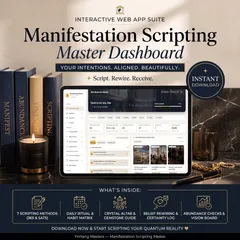 Sổ Hiện Thực Hoá & Viết Ý Định (Manifestation Journal) — Phương Pháp 369, Luật Giả Định & Vision Board
- Một web app thay cho nhiều cuốn sổ: ý định, 7 phương pháp viết, phần viết lại niềm tin, nghi thức đá, vision board và lịch trăng 2027 nằm chung một chỗ, dùng được trên điện thoại hay laptop.
- Viết mỗi ý định ở thì hiện tại và gom mọi kịch bản, thực hành, hình ảnh vision board về đúng ý định đó.
- Chọn 1 trong 7 phương pháp viết (3-6-9, 33x3, 55x5, 777, Lucky 13, 11:11, sống như đã có) với thanh đếm chu kỳ để không bỏ dở.
 Bảng Tầm Nhìn Số & Bộ Hiện Thực Hóa 2027 — Tạo Bảng Tầm Nhìn, Mục Tiêu, Câu Khẳng Định & Thiền Hình Dung
- Tạo 8 bảng tầm nhìn theo chủ đề bằng ảnh và lời của bạn: kéo, đổi cỡ, xoay, rồi lưu một bảng làm hình nền điện thoại.
- Gắn mỗi bức ảnh với một mục tiêu 2027 theo bốn mùa Gieo, Lớn, Nở và Thu hoạch, rồi đẩy tiến độ lên dần.
Có trong cửa hàng
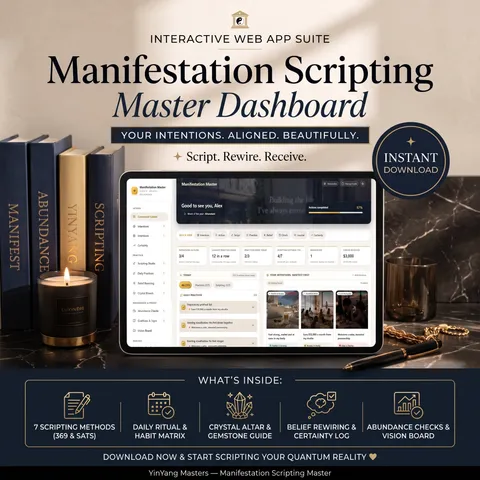
Mẫu Sổ Tay Manifest
Gom mọi ý định, kịch bản và thực hành hằng ngày về một chỗ. Bảy cách viết kịch bản có sẵn, sổ tự đếm từng vòng cho bạn, và điểm niềm tin mỗi tuần cho thấy bạn đang tin vào điều mình muốn nhiều hơn.
Nguồn tham khảo & Đối chiếu
- [1]Harvard Business Review: The Neuroscience of Goal Setting and Visualization ↗
- [2]Frontiers in Psychology: Somatosensory Anchors and Neural Priming in Habit Formation ↗
Được biên tập theo chuẩn thực hành chánh niệm & phát triển cá nhân. Chính sách biên tập

Chủ Đề Trụ Cột
Tấm Thẻ Mục Tiêu Bob Proctor & Chuyển Đổi Mô Thức Tiềm Thức: Cẩm Nang Toàn Diện
Bộ Sổ Tay & Hệ Thống Tương Tác Đi Kèm

Câu chuyện thật
Xem mọi câu chuyện →Người đọc đã thay đổi thế nào với những thực hành này
Suốt hơn 8 năm qua, cộng đồng hơn 2,4 triệu người theo dõi và 38.000+ học viên đã chia sẻ kết quả thật khi duy trì những thực hành này trong tình yêu, tài chính và sự bình an.
 Chuyện tình yêu
Nhật ký Twin Flame có hiệu quả không? Câu chuyện thật
Nhật ký twin flame có hiệu quả không? Câu chuyện thật về chữa lành sau chia tay, thu hút tri kỷ, tìm lại bình yên và cách luyện tập mỗi ngày.
Xem cẩm nang Chuyện tiền bạc
Nhật ký thu hút tiền bạc có hiệu quả không? Chuyện thật
Nhật ký thu hút tiền bạc có hiệu quả không? Câu chuyện thật về trả hết nợ, xin tăng lương, bớt lo âu tiền bạc và cách luyện tập mỗi ngày.
Xem cẩm nang
 Chuyện tình yêu
Thu hút tình yêu sau chia tay: chuyện chữa lành có thật
Câu chuyện thật về thu hút tình yêu sau chia tay: dùng câu khẳng định yêu bản thân, soi gương và nhật ký tình yêu để chữa lành trước rồi mở lòng lại.
Xem cẩm nang Chuyện tiền bạc
Thu hút cuộc sống sạch nợ: câu chuyện thật
Câu chuyện thật về thu hút cuộc sống sạch nợ: kết hợp câu khẳng định tiền bạc, nhật ký thịnh vượng với mục tiêu rõ, hạn chót và bằng chứng mỗi ngày.
Xem cẩm nang Chuyện tình yêu
Thu hút tri kỷ: câu chuyện thật bắt đầu từ bên trong
Câu chuyện thật về thu hút tri kỷ: viết kịch bản người bạn đời lý tưởng, làm bảng tầm nhìn và mở lòng với cuộc sống trước khi tình yêu đến.
Xem cẩm nang Chuyện tiền bạc
Thu hút tăng lương: câu chuyện thật về sự tự tin
Câu chuyện thật về thu hút tăng lương, thăng chức: gỡ niềm tin cản trở, luyện câu khẳng định tự tin và ghi bằng chứng trước khi đề nghị.
Xem cẩm nang Chuyện tình yêu
Câu chuyện đoàn tụ twin flame: hành trình thật về bình yên
Câu chuyện đoàn tụ twin flame có thật: dùng các giai đoạn hành trình, sổ dấu hiệu và thiền dẫn để tìm bình yên khi xa cách, dù có quay lại hay không.
Xem cẩm nang Chuyện tiền bạc
Từ lo âu tiền bạc đến bình tâm: câu chuyện thật
Câu chuyện thật về vượt qua lo âu tiền bạc: một bài thiền ngắn trước khi xem tài khoản, buổi hẹn hò với tiền mỗi tuần và soi lại niềm tin cũ.
Xem cẩm nang
Hướng dẫn liên quan
Bài viết khác



Đang được đọc nhiều
Bài mọi người mở nhiều nhất tuần này
Xếp theo lượt xem thật trong 7 ngày qua.
🔥 Bắt đầu Ngày 1 ngay tối nay · Mua 1 lần dùng mãi
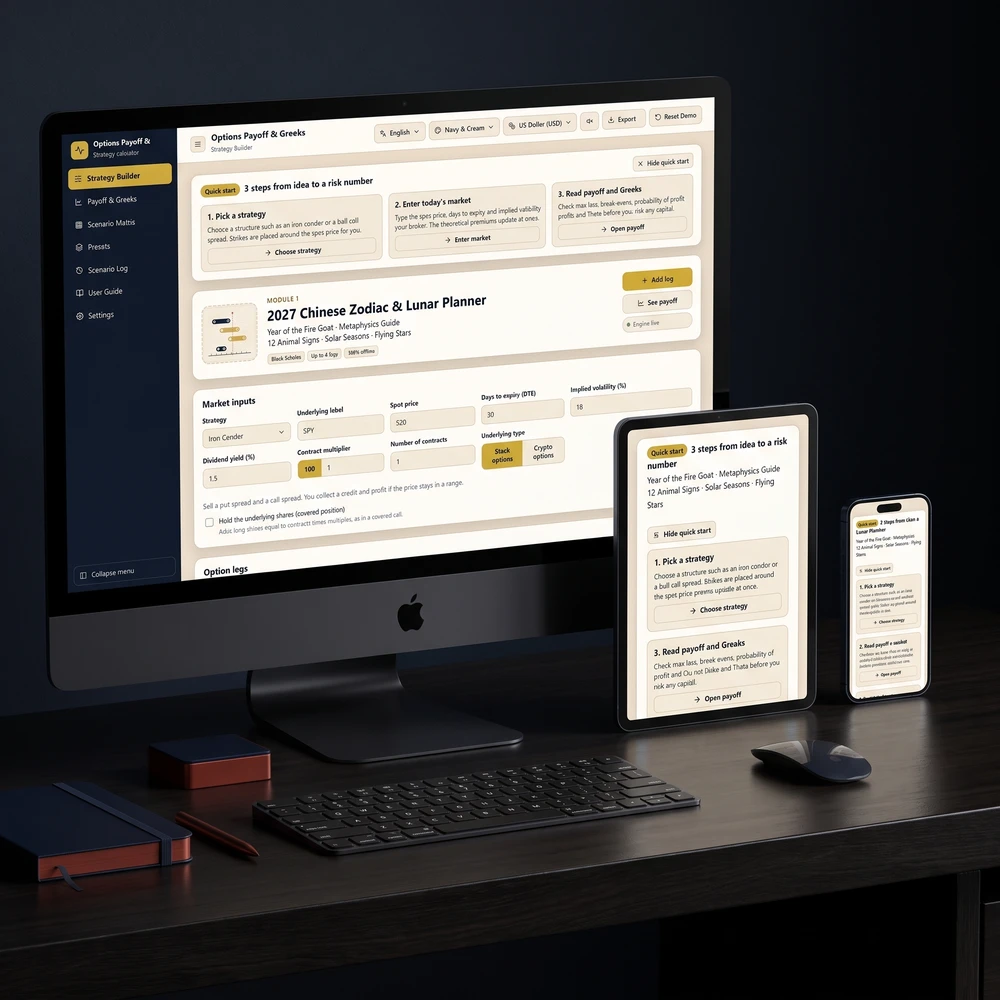
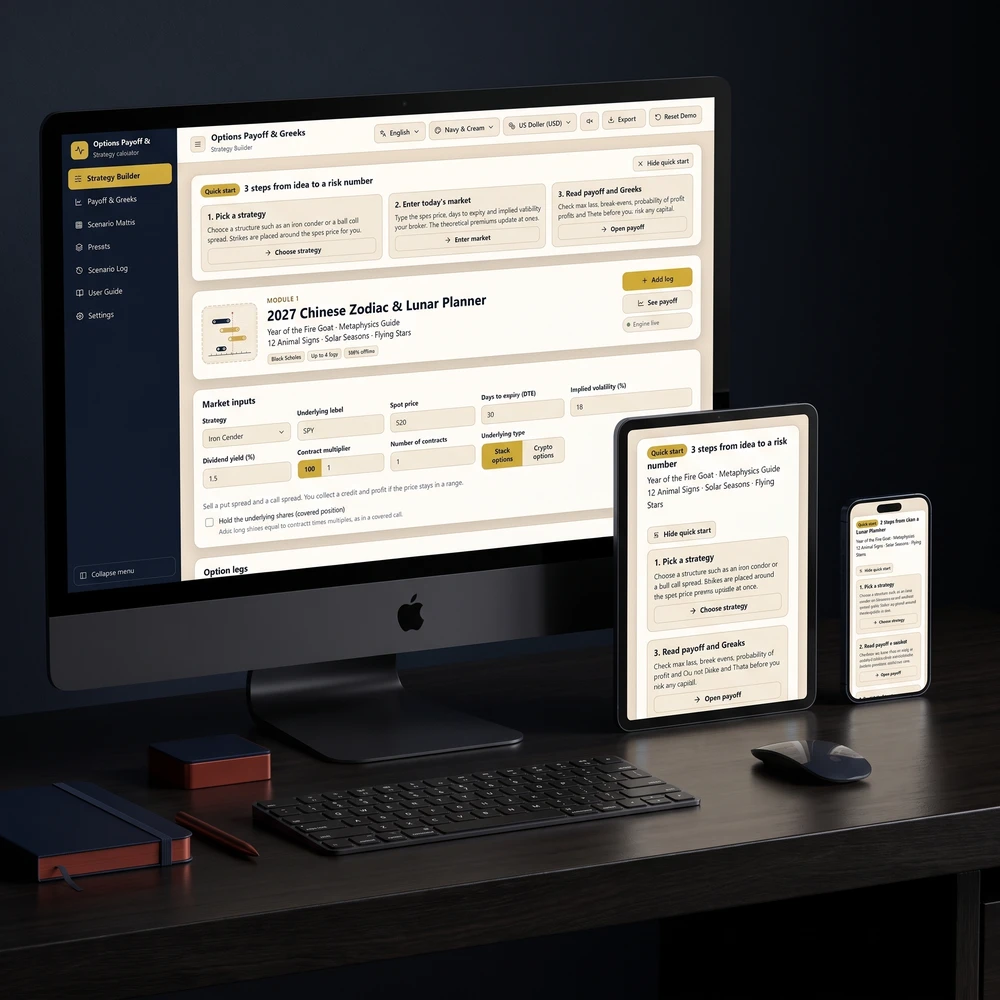
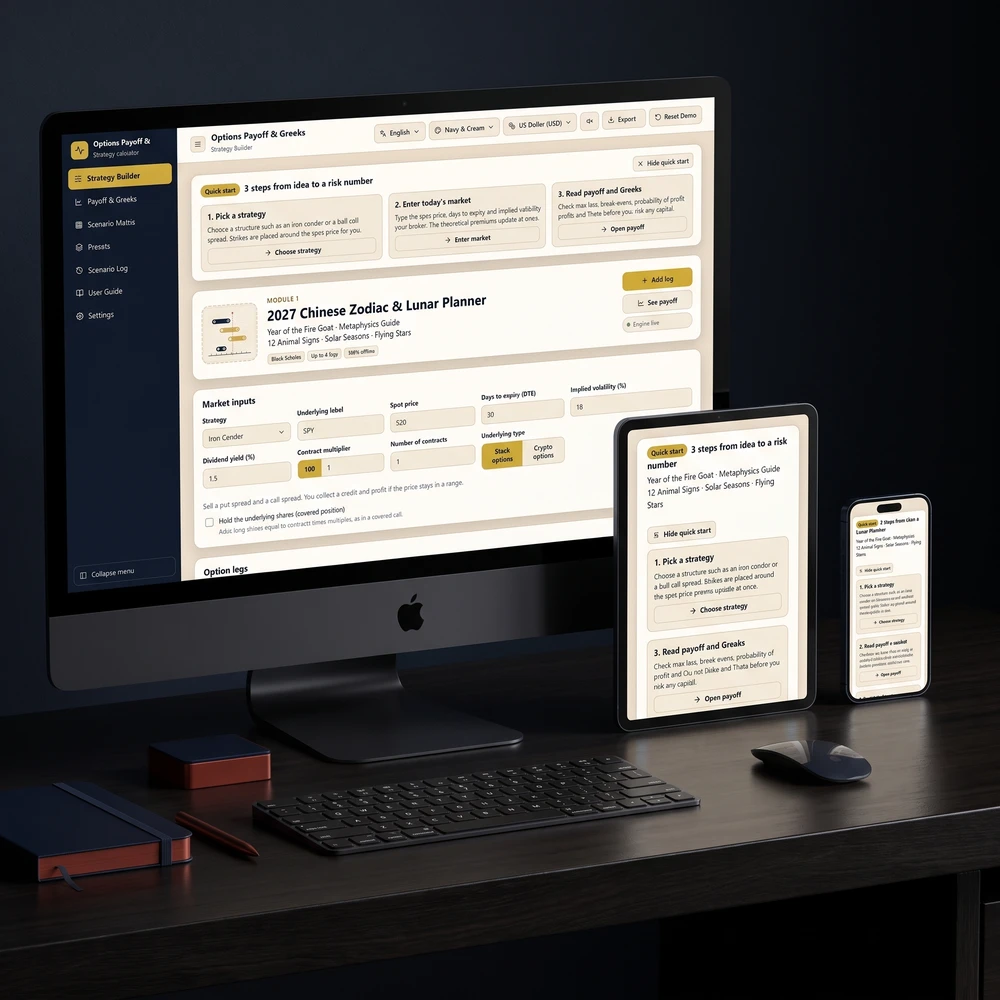
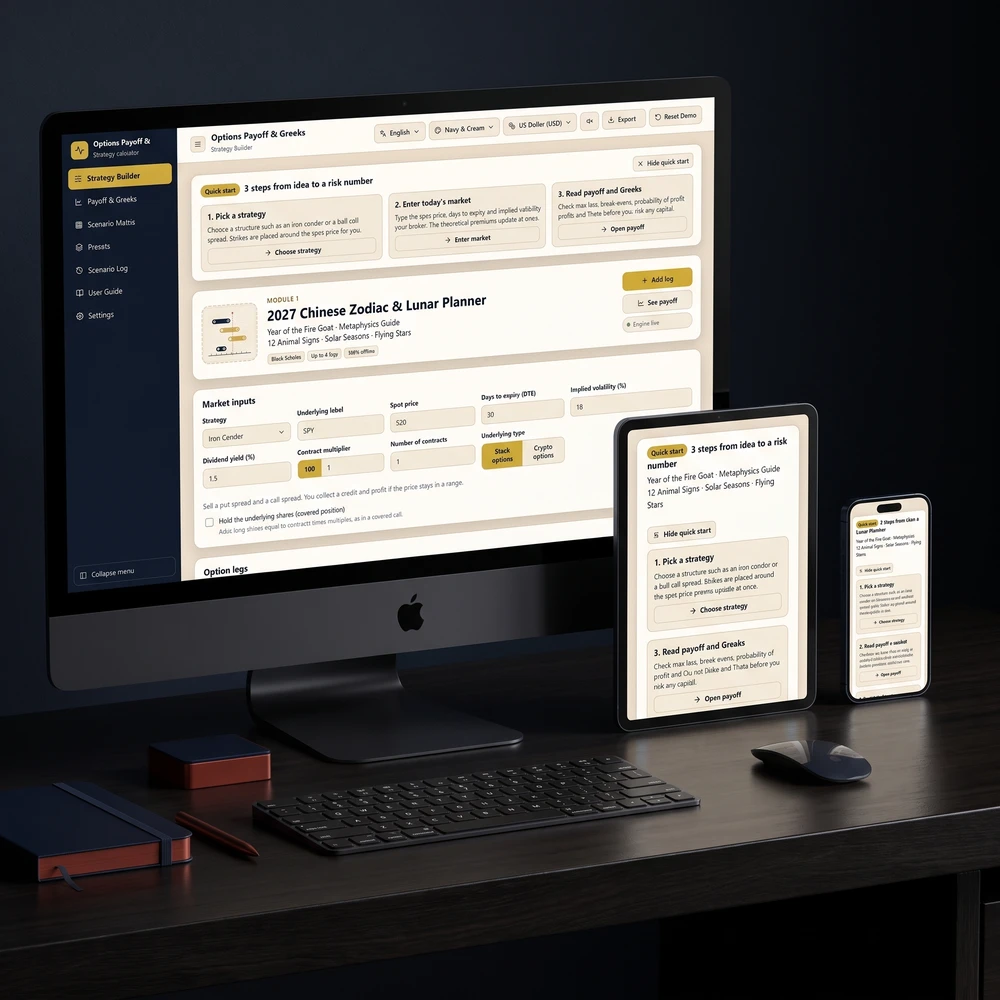
Sổ Hiện Thực Hoá & Viết Ý Định (Manifestation Journal) — Phương Pháp 369, Luật Giả Định & Vision Board
Ứng dụng web nhật ký hiện thực hoá: viết ý định (3-6-9, 33x3, 55x5, 777), viết lại niềm tin, séc thịnh vượng và lịch trăng 2027, tất cả gắn với mục tiêu của bạn.
MẪU IN ĐƯỢC MIỄN PHÍ
Nhận Miễn Phí Mẫu Thẻ Mục Tiêu
Gõ mục tiêu ở thì hiện tại, thêm hạn, rồi in bốn thẻ mục tiêu trên một trang. Có hướng dẫn từng bước và ba ví dụ theo cách Bob Proctor từng dạy.
Theo dõi Yin Yang Masters
Nghi thức mỗi ngày ngay trên bảng tin của bạn
Hướng dẫn ngắn, nghi thức theo trăng và cách dùng sổ kế hoạch từ Yin Yang Masters.



Khám phá thêm
Thêm từ Yin Yang Masters



Hỏi Yinyang Masters ngay trong trợ lý AI của bạn
Nhận cùng phép tính và gợi ý ngay trong khung chat: thêm app Yinyang Masters miễn phí rồi hỏi bằng lời thường. Không cần tài khoản.
Thử hỏi: “Tìm bài hướng dẫn Yinyang Masters về bắt đầu thực hành tâm linh mỗi ngày.”

Đang trực
Gặp Moon Keeper, người giữ điện thờ trực tiếp
Mỗi giờ Moon Keeper đọc bầu trời, rút một lá tarot và chia sẻ một bài tĩnh tâm 3 phút. Ghé điện thờ, theo dõi nhật ký từng giờ và để lại lời nhắn trong sổ khách.

BẢN TIN MIỄN PHÍ MỖI NGÀY
Nhận Bản Tin Yin Yang Masters Mỗi Ngày
Mỗi ngày một email ngắn: một thực hành cho hôm nay, một câu chuyện thật của bạn đọc và bài hướng dẫn mới nhất về tình yêu, tiền bạc, sự bình an.
Suốt hơn 8 năm qua, cộng đồng hơn 2,4 triệu người theo dõi và 38.000+ học viên đã chia sẻ kết quả thật khi duy trì những thực hành này trong tình yêu, tài chính và sự bình an.