




Inner Child Healing Journal Prompts: 35 Reparenting & Shadow Work Questions
Inner child healing journal prompts are structured psychological writing inquiries that uncover unmet developmental needs, soothe abandonment triggers, and rewire unconscious survival defenses. By combining Carl Jung's wounded child archetype framework with two-handed reparenting dialogues, practitioners safely process repressed grief and cultivate self-compassion, emotional regulation, and secure internal attachment in adulthood.
Most adult emotional suffering does not originate in the present moment. When a delayed text message triggers a wave of abandonment panic, when mild constructive feedback feels like catastrophic rejection, or when you compulsively over-deliver at work until you burn out, your adult intellect is no longer driving the vehicle. Instead, a younger developmental sub-personality—what depth psychologists call the Wounded Inner Child—has hijacked your autonomic nervous system. As we detail in our cornerstone Carl Jung Shadow Work & Inner Child Healing Guide, childhood survival adaptations never simply evaporate with age; they remain frozen in implicit memory until they are consciously witnessed, validated, and integrated.
While recognizing unconscious projections is the essential first step—a mechanism we mapped extensively in Shadow Carl Jung Example: 7 Real-Life Archetypes & Triggers—true developmental repair requires direct, compassionate communication with the younger self. Just as building cognitive resilience in adulthood relies on the structured behavioral rituals explored in Discipline and Freedom in Education, healing early emotional wounds requires a repeatable, trauma-informed journaling protocol. Below, you will find 35 categorized inner child healing journal prompts organized by developmental stage, a diagnostic wound-to-reparenting matrix, two-handed writing techniques, and a seven-day self-reparenting blueprint.
35 Categorized Inner Child Healing Journal Prompts by Developmental Stage
These 35 categorized inner child healing journal prompts target five core developmental stages—from early safety and attachment to pre-teen identity and playful spontaneity. Rather than answering every question at once, choose the cluster that matches your strongest current emotional trigger and write without censoring grammar, logic, or raw childhood grief.
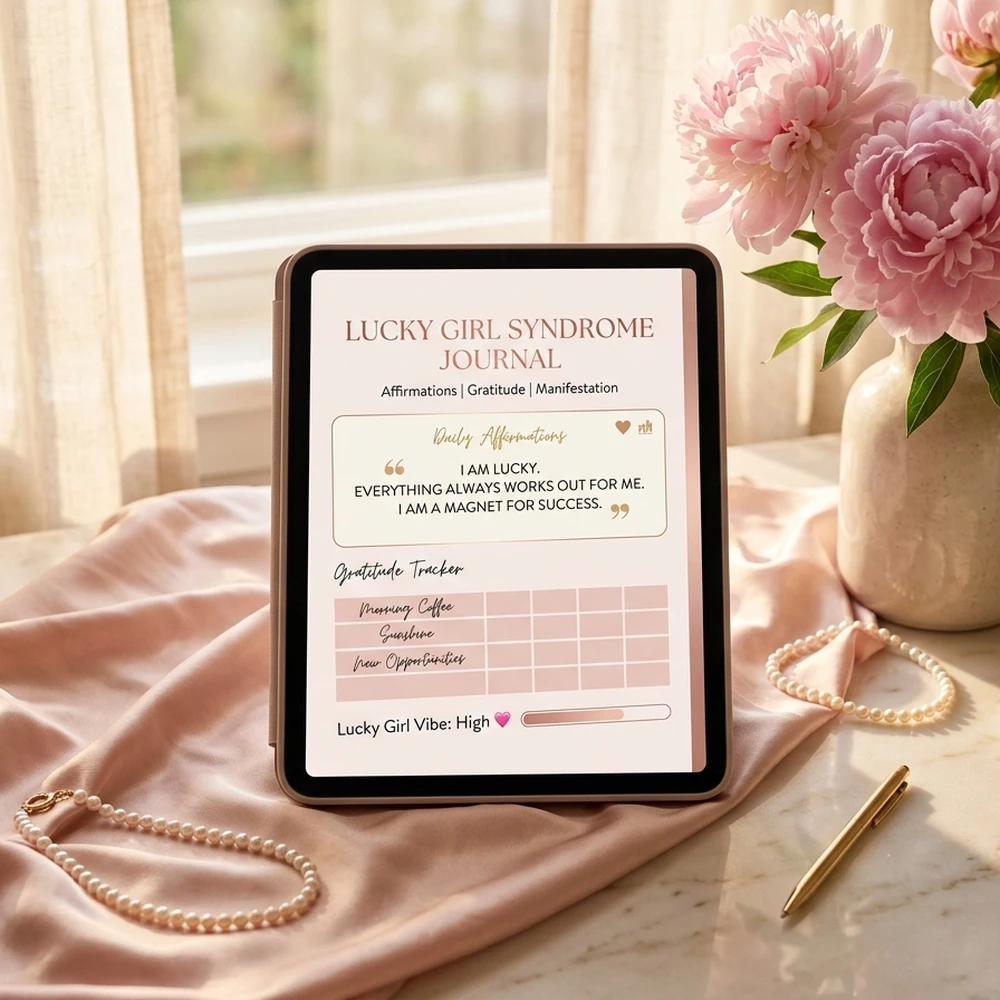
Why categorize inner child writing prompts by developmental era and wound theme? Clinical trauma research shows that the human brain encodes emotional memories state-dependently. A wound formed at age four around emotional neglect carries a completely different somatic signature than a wound formed at age twelve around academic perfectionism or peer humiliation. Work through the seven targeted chambers below at your own pace, ideally recording your reflections in a dedicated physical notebook or the interactive Shadow Work Journal & Somatic Regulation Workbook:
1. Safety, Trust & Nervous System Grounding (Ages 0–5)
- Prompt 1: What is my earliest childhood memory of feeling completely safe, warm, and protected—and who or what environment created that sensation?
- Prompt 2: When I was very small and cried, got sick, or felt scared in the dark, how did the adults in my home typically respond?
- Prompt 3: What physical spaces in my childhood home felt comforting (e.g., under a blanket fort, a backyard tree, a bedroom corner), and what was I hiding from when I went there?
- Prompt 4: Where in my adult body do I immediately feel tension when plans change unexpectedly or when someone raises their voice?
- Prompt 5: What unspoken atmosphere dominated my early household—was it walking on eggshells, quiet emotional distance, chaotic unpredictability, or rigid scheduling?
- Prompt 6: What sensory comfort (a specific meal, texture, lullaby, or gentle reassurance) did my five-year-old self crave most when overwhelmed?
- Prompt 7: If my adult self could step into my childhood bedroom tonight and sit beside my five-year-old self, what three words of protection would immediately calm their breathing?
2. Abandonment, Emotional Neglect & Attachment Repair (Ages 5–8)
- Prompt 8: In what childhood moments did I feel invisible, forgotten, or less important than my parents' work, stress, or other family members?
- Prompt 9: When I felt lonely or rejected as a child, what story did I make up about myself to explain why nobody was paying attention to me?
- Prompt 10: How do I currently react when a romantic partner or close friend pulls away—do I cling and over-explain (anxious protest) or shut down and pretend I don't care (avoidant withdrawal)?
- Prompt 11: Who was the one caregiver whose approval I chased the hardest, and what did I have to sacrifice about my true personality to earn a smile from them?
- Prompt 12: What emotional need was labeled "too needy," "too sensitive," or "dramatic" in my family of origin?
- Prompt 13: When was a time I needed an adult to defend me, believe me, or take my side, but I was left to handle the pain entirely alone?
- Prompt 14: How can I prove to my younger self this week that I will never abandon them just to keep someone else comfortable?
3. Shame, Perfectionism & Conditional Worth (Ages 7–11)
- Prompt 15: What happened in my house when I brought home a bad grade, spilled something, made a clumsy mistake, or failed at a task?
- Prompt 16: Did love in my childhood feel like an unconditional birthright, or did it feel like a wage I had to earn through achievements, obedience, and being "the good kid"?
- Prompt 17: Whose voice does my adult inner critic actually sound like when I make a minor error at work today?
- Prompt 18: What part of my body, voice, intelligence, or sensitivity was teased or criticized by family members or classmates before age twelve?
- Prompt 19: Why does resting or doing something purely unproductive make my younger self feel guilty or unsafe?
- Prompt 20: What secret failure or childhood embarrassment am I still carrying as proof that I am fundamentally flawed?
- Prompt 21: If I separated my human worth from my productivity and accomplishments for the next 48 hours, what would my inner child finally feel allowed to do?
4. Suppressed Anger, Fawning & Parentification (Ages 8–13)
- Prompt 22: Was I forced to grow up too fast by acting as the emotional therapist, peacemaker, or caretaker for a volatile or fragile parent?
- Prompt 23: What happened when I said "no," expressed disagreement, or showed anger as a child—was I punished, guilted, or given the silent treatment?
- Prompt 24: Where in my current adult relationships am I still playing the role of the "family peacekeeper" at the expense of my own mental health?
- Prompt 25: If my ten-year-old self were finally allowed to throw a safe, unfiltered temper tantrum without any fear of punishment, what would they scream about what was unfair?
- Prompt 26: How did I learn that other people's feelings were more important than my own bodily and emotional boundaries?
- Prompt 27: What apology did I desperately deserve from my caregivers that I never received—and how does it feel to write that exact apology to myself right now?
- Prompt 28: What firm, loving boundary can my Wise Adult self enforce this month so my inner child no longer has to fawn for safety?
5. Reclaiming Play, Wonder & the Jungian Divine Child (All Ages)
- Prompt 29: Between ages six and eleven, what activity made me lose all track of time—drawing, building, exploring nature, storytelling, dancing, or inventing games?
- Prompt 30: At what exact age did I decide that my wildest dreams, artistic instincts, or playful curiosities were "childish" or "impractical"?
- Prompt 31: What weird, quirky, or eccentric trait did I hide as a pre-teen just to fit in with my peer group?
- Prompt 32: If my eight-year-old self looked at my current daily routine, what would they find inspiring, and what would they beg me to change?
- Prompt 33: What small, inexpensive childhood joy (riding a bike at sunset, painting with messy colors, stargazing, collecting stones) can I schedule into my calendar this Saturday?
- Prompt 34: How does my inner child want to express creativity when there is zero pressure to monetize, publish, or perfect the outcome?
- Prompt 35: Looking at a childhood photograph of myself, what specific promise am I ready to make—and keep—for the rest of our shared life?
How to Practice Inner Child Journaling: Two-Handed Dialogue and Somatic Anchoring
Practicing inner child journaling effectively requires pairing written inquiry with somatic nervous system regulation and Lucia Capacchione's two-handed dialogue method. Writing questions with your dominant hand while allowing your younger self to answer with your non-dominant hand bypasses adult intellectualization and unlocks authentic emotional memory without overwhelming your body.
One of the most common mistakes beginners make with inner child healing journal prompts is treating them like an academic essay. If you stay entirely in your left cerebral hemisphere—analyzing your childhood with clinical detachment, making excuses for your parents ("They did the best they could"), or rushing to positive affirmations—the wounded child remains untouched in the basement of the unconscious. To create genuine neuroplastic repair, follow this four-step clinical and somatic protocol during every journaling session:
- Step 1 — Establish a Visual & Somatic Anchor Before Opening the Page: Place an actual childhood photograph of yourself (ideally between ages four and nine) on your desk. Before writing a single word, place one hand over your heart and one hand over your lower belly. Take three slow physiological sighs (two quick inhales through the nose, followed by one long, audible exhale through the mouth). Look at the photograph and silently state: "I am the adult now. We are safe in this room, and I am here to listen to you."
-
Step 2 — Use the Two-Handed Dialogue Technique (Dominant vs. Non-Dominant Hand): Pioneered by art therapist Dr. Lucia Capacchione in Recovery of Your Inner Child (1991) and grounded in Jungian active imagination, two-handed writing separates your conscious adult persona from your younger sub-personality:
- Dominant Hand (The Wise, Nurturing Adult): Hold the pen in your usual writing hand to write the prompt and speak as the compassionate protector. Example: "Little one, I notice our chest feels tight after that meeting. How old do you feel right now, and what are you afraid is going to happen?"
- Non-Dominant Hand (The Inner Child): Switch the pen to your non-dominant hand to write the reply. Because the non-dominant hand requires awkward motor focus and activates the right hemisphere, the inner critic cannot easily censor the words. The handwriting will naturally look young, shaky, and raw: "I feel seven. I'm scared everyone is mad at me and I'm going to be kicked out."
- Step 3 — Validate Before You Reframe (Never Gaslight the Child): When the non-dominant hand expresses terror, rage, or petty jealousy, resist the adult urge to lecture or correct them. A frightened child does not need a philosophy lecture; they need attunement. Switch back to your dominant hand and write explicit validation: "It makes complete sense that you feel terrified. When we were seven, making a mistake meant getting yelled at for hours. You don't have to carry that job alone anymore—I am handling the adults now."
- Step 4 — Close the Container with Somatic Pendulation: Never slam your notebook shut while still flooded with childhood grief. Spend the final two minutes orienting to your present-day environment. Look around the room and name five physical objects, press your feet firmly into the floor, and drink a glass of warm water. Many practitioners also pair their evening closure with gentle heart-centered reflection or lunar release rituals, such as those detailed in our All Supermoon Dates in 2026 Calendar & Ritual Guide.