John Bradshaw inner child work helps adults reconnect with their natural WONDER child while soothing toxic shame from four early developmental stages. Through non-dominant hand letters, protective adult validation, and brief daily grounding, you can track unmet needs and build steady emotional safety without overwhelming clinical jargon.
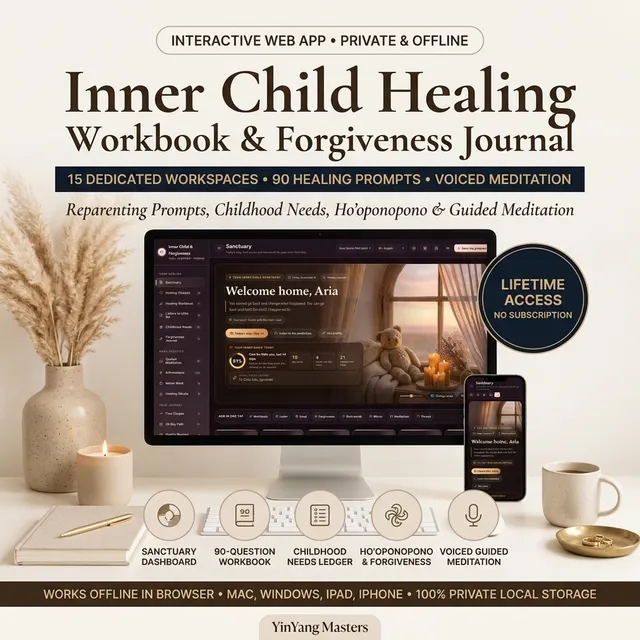
Interactive Practice Web App · Full Edition15 modules
You learn to answer your inner critic with kindness and feel more cared for, which you can see on a 14-day care ring.
Web app for phone or laptop. Answer inner child questions, write to little you, practice forgiveness and play the guided meditation. No birth date needed.
★★★★★ 4.9 · 38k+ students★★★★★ 4.9/5 · 38,000+ Students · 2.4M+ Community
$39$29.25$39₫849,000₫636,000₫849,000
Step 1 · Tap the struggle that stops you most:
How this app solves it for you
Ninety gentle questions and 108 reparenting affirmations help you answer that old voice with kindness, one day at a time.
Included inside: Ninety questions in four stages, Recognize, Embrace, Reparent and Forgive, remember what you have answered, so you always know your next gentle step.
Step 2 · Inspect real app screens inside
Origin Story Mapping
15 modules · 2 live trial tabs
Carefully paced timeline and wound-pattern prompts helping recognize old protective habits with compassion.
Pay once · Lifetime access · Instant email delivery
Yes. Shadow Work Journal & Sound Healing Guide — Inner Healing, Trigger Log & Solfeggio Frequencies is built for this: Log each trigger with the body sensation, strength before and after (0-10) and the tool you used.
John Bradshaw inner child work centers on reconnecting your adult self with the repressed childhood self shaped by shame and unmet developmental needs. Popularized through his 1990 book Homecoming and PBS workshop series, this approach helps adults reclaim curiosity while building steady internal safety in 10 minutes daily.
Understanding theory feels comforting for a weekend, yet nervous-system patterns shift only when warm insights become small, repeatable actions. Before trying the four structured exercises below, explore our inner child healing and forgiveness workbook guide to see how consistent daily prompts helped adults quiet reactive self-criticism over four to eight weeks.
Reflection Disclaimer: John Bradshaw's self-reparenting and expressive journaling exercises support personal self-awareness and emotional reflection. They are not therapy or medical care and do not replace licensed mental-health treatment.
John Bradshaw Inner Child Work: The WONDER Child vs Wounded Adaptation
In John Bradshaw's model, every adult carries both a natural WONDER child and an adaptive wounded child formed during early stress. Separating authentic curiosity from shame-driven survival rules within 5 minutes of reflection helps interrupt automatic emotional spirals before they dictate adult relationships.
Many readers first discover the inner child concept through clips of Bradshaw's televised workshops or Oprah Winfrey interviews, where he challenged the idea that emotional maturity means burying vulnerability. Rather than viewing childhood triggers as personal weakness, his model distinguishes two contrasting internal states:
The WONDER Child (Natural Vitality): Bradshaw's acronym stands for Wonder, Optimism, Naivete (innocence), Dependence (healthy trust), Emotions, and Resilience. This part drives playful creativity, spontaneous laughter, honest grief, and open-hearted curiosity when no threat is present.
The Wounded Child (Shame-Based Adaptation): When caregivers are chronically distracted, harsh, or unpredictable, a child learns what Bradshaw called toxic shame—the belief that "I am a mistake" rather than "I made a mistake." Over decades, that unexamined fear masks itself as perfectionism, people-pleasing, emotional numbness, or sudden defensiveness.
The Adult Protector (Conscious Champion): Unlike biological parents who may have lacked time or self-awareness, your present-day adult self possesses full agency, clean boundaries, and calm discernment to validate feelings without obeying panic.
Notice how closely shame-driven masks overlap with repressed emotions discussed in Carl Jung's shadow work and inner child healing guide. When toxic shame pushes natural anger or neediness underground, daily reflection brings those disowned reactions back into steady adult care.
The Four Developmental Stages in John Bradshaw's Homecoming Framework
Bradshaw organized childhood emotional development into four distinct stages—infancy, toddlerhood, preschool, and school-age—spanning ages 0 through 12. Pinpointing which specific developmental task stalled in 15 minutes of structured review reveals why present-day triggers flare around trust, autonomy, guilt, or comparison.
Drawing on developmental psychology, Homecoming maps each childhood window to a core emotional anchor and a recognizable adult pattern when that stage goes unmet:
Stage 1 — Infant Trust (Ages 0 to 1): Healthy caregiving builds basic nervous-system safety through reliable responsiveness to hunger, warmth, and distress. When early attunement was inconsistent, adults often experience chronic hypervigilance, fear of intimacy, or difficulty resting without expecting sudden abandonment.
Stage 2 — Toddler Autonomy (Ages 1 to 3): Testing "no," exploring physical space, and recovering from small spills builds clean personal agency. When curiosity met shaming anger or rigid control, adults tend to swing between rebellious stubbornness and compulsive compliance.
Stage 3 — Preschool Initiative (Ages 3 to 6): Imaginative play, asking endless questions, and feeling welcomed in family life shapes healthy emotional expression. If a young child felt invisible or blamed for parental tension, adult life often brings silent guilt whenever choosing personal joy.
Stage 4 — School-Age Industry & Identity (Ages 6 to 12): Learning rules, social belonging, and real-world competence fosters steady self-esteem. Harsh comparison or conditional affection during these years frequently produces an unforgiving inner critic, imposter patterns, and workaholic exhaustion.
Instead of trying to fix every memory at once, focus on one recurring adult friction point per week and trace which of the four stages it echoes. You can pair that weekly audit with targeted inner child healing journal prompts to keep insights grounded in concrete present-day choices.
Homecoming Book vs Loose PDFs vs Guided Inner Child Workbooks
Readers researching Bradshaw's work often debate between reading his 304-page Homecoming paperback, downloading loose free PDFs, or using a structured interactive workbook. Matching your current routine to the right medium prevents common drop-off after day 3 of solo reflection.
Conceptual books build essential language for recognizing family dynamics, yet reading alone rarely tracks how your needs or emotional reactivity shift over a 30-day cycle. Comparing four widely used formats clarifies which tool solves which practical bottleneck:
Format
Core Mechanism
Best Fit For
Time Per Session
Key Practical Limitation
Homecoming Book & Lecture Series
Developmental theory, clinical case narratives, and guided reading meditations
First-time conceptual understanding and reducing personal shame
25–40 minutes reading
Passive format; lacks interactive logs for daily needs or longitudinal mood tracking
Loose Printable PDF Worksheets
Single-session fill-in checklists and static non-dominant hand prompt sheets
One-weekend awareness check or print-and-discard reflection
15–30 minutes once
Pages scatter easily; offers zero continuity between triggers, letters, and boundaries
Interactive Inner Child Workbook Web App
4-stage structured questions, childhood photo letter cards, 8-need ledger, and voiced audio
Adults building a steady 10-minute private reparenting rhythm
10–15 minutes daily
Requires quiet personal honesty and consistent daily check-ins for 14–30 days
Standalone Meditation Scripts
Guided visualization meeting younger developmental ages in calm imagery
Evening nervous-system settling and emotional warmth
10–15 minutes listening
Can feel ungrounded unless paired with clear adult action and protective limits
If you prefer a private digital sanctuary over loose paper printouts, compare calm offline options in our guide to a dedicated shadow work journal app. Keep every practice centered on small, verifiable habits that respect your energy and current support network.
4 Core John Bradshaw Inner Child Exercises and Daily Meditation Script
Bradshaw's core recovery practices center on non-dominant hand letter writing, developmental age validation, grief release, and guided adult sanctuary imagery. Spending 10 to 12 focused minutes each evening lets your grounded adult voice guide the conversation without slipping into overwhelm.
Pairing two-hand written dialogue with a calm daily ritual gives your younger emotional states a steady adult anchor.
To hold every thread together in one private space, the Inner Child Healing Workbook & Forgiveness Journal connects a 14-day Sanctuary care ring with 90 questions across four stages—Recognize, Embrace, Reparent, and Forgive. Inside the same workspace, Letters to Little Me lets you pair a childhood photo with structured prompts, a childhood needs log tracks eight core needs, the forgiveness journal counts the four Ho'oponopono phrases alongside a clear boundary line, and the 12-minute voiced guided meditation Coming Home to Little You helps settle busy nights gently.
Whenever sharp present-day interpersonal triggers keep setting off defensive anger or perfectionist armor alongside childhood vulnerability, the Shadow Work & Sound Healing Journal helps log each trigger, rate somatic intensity before and after from 0 to 10, explore twelve guiding questions, and unwind with two original instrumental tracks tuned in 432 Hz and 528 Hz.
Before You Begin: The 30-Second Somatic Reset
Never begin deep memory work while your chest feels tight or your inner critic sounds loud and urgent. Spend 30 seconds physically down-regulating first: perform two physiological sighs—inhale steadily through your nose, take a quick second top-up sniff to expand the lungs, then release a long six-second exhale through relaxed lips—followed by quiet somatic orienting as you silently name three ordinary colors or textures in the room around you.
Once your shoulders drop and your breath feels unhurried, follow these four structured reparenting exercises inspired by Bradshaw's framework:
Exercise 1 — The Dominant / Non-Dominant Hand Letter Dialogue (Minutes 1–5): One of Bradshaw's signature tools in Homecoming uses opposite-hand writing to bypass intellectual perfectionism. Using your dominant adult hand, write a simple caring question: "Dear little me, what felt too heavy or lonely for you today?" Switch the pen to your non-dominant hand and let blunt, short phrases appear slowly without fixing spelling or trying to sound polished.
Exercise 2 — Naming One Unmet Developmental Stage & Core Need (Minutes 6–7): Read the opposite-hand reply with patient adult eyes. Identify whether the soreness echoes Stage 1 safety, Stage 2 healthy limits, Stage 3 permission to play, or Stage 4 quiet approval, and pick one of the eight everyday needs—safety, being seen, comfort, play, praise, being heard, rest, or healthy limits—to honor today.
Exercise 3 — Championing & Protective Adult Validation (Minutes 8–9): Switch back to your dominant hand and write three firm sentences as the reliable protector your younger self deserved: "It makes complete sense that seven-year-old you felt scared then. You did not cause adult stress, and you were never too much. Today I am in charge, and we do not stay in rooms where we have to shrink."
Exercise 4 — Five-Minute "Safe Place & Present Mentor" Meditation Script (Minutes 10–12): Close your eyes, rest one hand gently over your chest, and silently walk through this short script: "Picture a calm room filled with warm natural light where no one is rushing or judging. Notice your younger self sitting by the window at the age that showed up tonight. Sit beside them at eye level, offer one reassuring smile, and let them know they do not have to carry adult worries anymore. Take three slow breaths together, promise one concrete kind action for tomorrow, and return your focus to the weight of your feet on the floor."
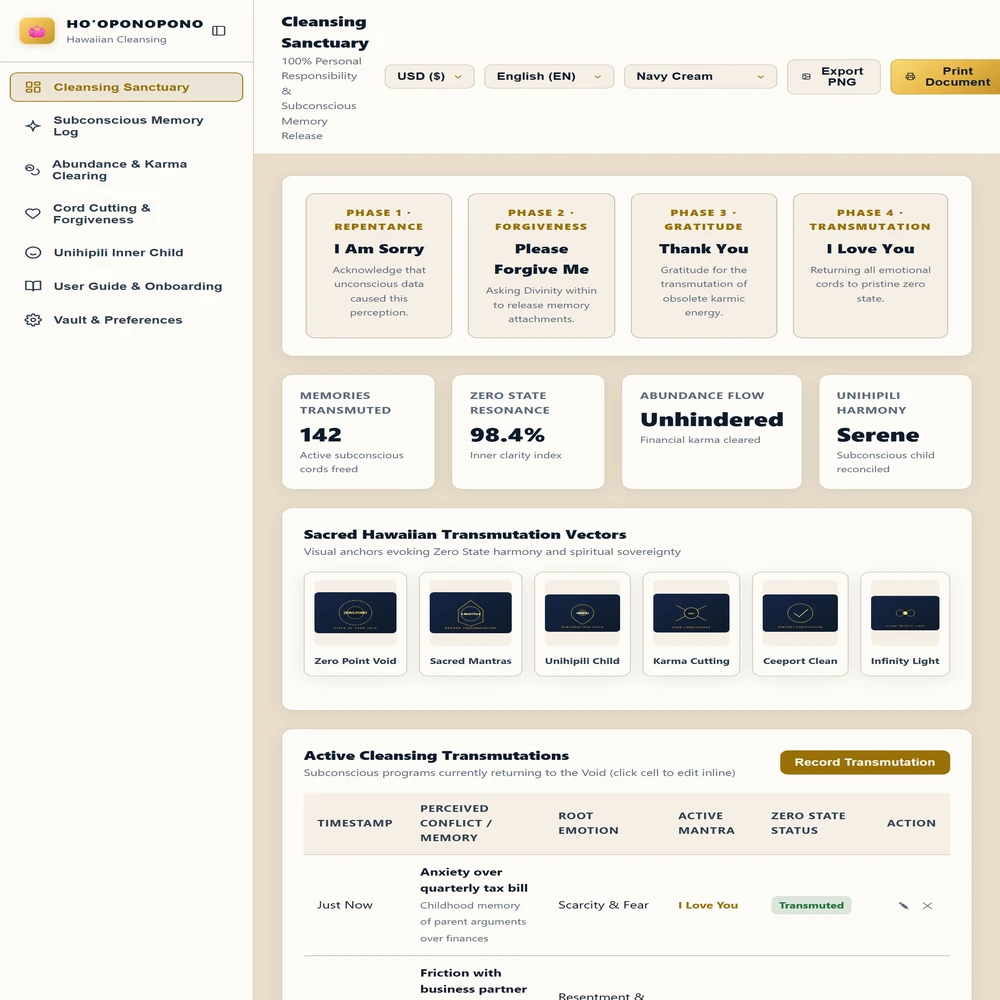
If grief or resentment toward early caregivers resurfaces during step three, keep release clearly separated from renewed access using the structured approach in our Ho'oponopono Hawaiian forgiveness practice guide. Continue building consistency through our step-by-step guide on how to reparent your inner child—small kept promises build deeper emotional steadiness than rare intense breakthroughs.
FREE INTERACTIVE GUIDE
Get Your Free 2027 Angel Number Year Map
Enter your birthday to reveal your 2027 Personal Year, the angel number guiding each month, and a private workspace to set your intentions.
Apply it now
Put this article into practice
Over 8 years, members of a 2,400,000-strong community, including 38,000+ students, have reported real changes after keeping these practices up.
Wind down with 528 Hz without hunting through ad-filled videos. You get a solfeggio chart from 396 to 963 Hz that explains each tone, plus soft original music in 432 Hz and 528 Hz that is yours to keep. It is a relaxation practice, not medical care.
Every hour Moon Keeper reads the sky, draws one tarot card and shares a calm 3-minute reflection. Drop by the altar, follow the hourly diary and leave a note in the guestbook.
One short email a day: a practice for today, a real reader story, and the newest guide on love, money and inner calm.
For more than 8 years, a community of over 2,400,000 followers and 38,000+ students has shared how these daily practices helped in love, money and inner calm.