



Bullet Journal Method for UI/UX Designer: Complete Professional Workflow & Implementation Guide
Why it matters
1. Operational Friction and Cognitive Workload Reality for UI/UX Designers
UI/UX Designers face relentless cognitive fragmentation without clear framework boundaries.
The Bullet Journal Method establishes cognitive stillness by transforming raw tactile handwriting into an agile operational command ledger, decelerating mental speed to increase tactical clarity.
For a UI/UX Designer, the digital screen is both an essential tool and an endless source of attention fragmentation. Rapid analog logging with modular collections provides an offline command anchor, cutting through visual-spatial fatigue and aesthetic burnout from continuously adjusting micro-interactions, responsive grid constraints, and Figma auto-layouts while keeping priorities like architecting end-to-end interactive onboarding user journeys in Figma and standardizing component design tokens across dark and light modes crystal clear.
default
The inline interactive trial version is currently being deployed. You can access the full functional edition through the companion tool below.
How it works
2. Cognitive Mechanics and Framework Architecture
Understanding attentional switching costs enables UI/UX Designers to protect executive bandwidth.
Neurocognitive research indicates that the kinetic motor activity of analog pen-to-paper inscription activates deeper conceptual encoding pathways within the hippocampus compared to digital typing.
Externalizing mental commitments onto physical paper frees the working memory of the UI/UX Designer. When managing architecting end-to-end interactive onboarding user journeys in Figma, tactile pen tracking prevents attentional bleed, allowing the prefrontal cortex to dedicate the entirety of its resources to execution.
How to practice
3. Role-Specific Implementation Protocol and Daily Schedule
A structured daily sequence aligns Bullet Journal Method with real-world UI/UX Designer deliverables.
Procure a durable dot-grid physical notebook alongside a high-flow ink pen, maintaining dedicated Index, Future Log, Monthly Log, and Daily Rapid Log sections.
Daily schedule for a UI/UX Designer: Begin each day with a 15-minute analog review in your physical journal, migrating unfinished items into the daily rapid log. Reserve the morning for uninterrupted execution on architecting end-to-end interactive onboarding user journeys in Figma, capture mid-day tasks like standardizing component design tokens across dark and light modes as rapid bullets, and spend 10 minutes at the close of work logging progress on conducting usability testing sessions to eliminate friction in core transactional funnels and archiving completed bullets.
How it compares
4. Resolving Industry Trade-offs, Edge Cases & Cognitive Traps
Establishing clear triage protocols resolves unpredictable industry emergencies without breaking the framework.
The primary failure mode is falling into artistic perfectionism by treating the notebook as an ornate art gallery rather than a ruthless, utilitarian execution instrument.
When sudden operational disruptions like unplanned marketing asset fire drills, last-minute product requirements alterations, or conflicting subjective design critiques emerge, draw a clean horizontal strike line across your journal page. Apply tactical triage (routing ad-hoc asset requests into an asynchronous review inbox while defending dedicated prototyping blocks from subjective stakeholder interference) to record the incident as an emergency collection, isolating it from your primary goals until resolved.
Putting it together
5. Long-Term Career Mastery and Sustainable High Performance
Sustained mastery elevates professional output into enduring, compounding career capital.
Analog mindfulness restores complete intellectual sovereignty to the UI/UX Designer. By curating an authentic archive of daily execution, you consistently deliver intuitive user flow architectures and unified design token systems, establishing yourself as a distinguished design director whose cohesive product design systems and intuitive user journeys set global industry benchmarks.
Key insights
Framework Archetype: Bullet Journal Method tailored for UI/UX Designer.
Neurological Lever: Neurocognitive research indicates that the kinetic motor activity of analog pen-to-paper inscription activates deeper conceptual encoding pathways within the hippocampus compared to digital typing.
Somatic Key: Cultivating disciplined cognitive boundaries when executing architecting end-to-end interactive onboarding user journeys in Figma without attention fragmentation.
Try this now
- 1
Establish morning focus container dedicated exclusively to architecting end-to-end interactive onboarding user journeys in Figma.
- 2
Implement framework protocol: Procure a durable dot-grid physical notebook alongside a high-flow ink pen, maintaining dedicated Index, Future Log, Monthly Log, and Daily Rapid Log sections.
- 3
Apply tactical triage protocol: routing ad-hoc asset requests into an asynchronous review inbox while defending dedicated prototyping blocks from subjective stakeholder interference.
Practices to build in
Morning deep work block dedicated exclusively to architecting end-to-end interactive onboarding user journeys in Figma.
Midday collaborative coordination window handling standardizing component design tokens across dark and light modes.
Afternoon administrative buffer resolving conducting usability testing sessions to eliminate friction in core transactional funnels.
From the blog
Latest articles




Digital planners & toolkits
Ready-made systems for your next goal
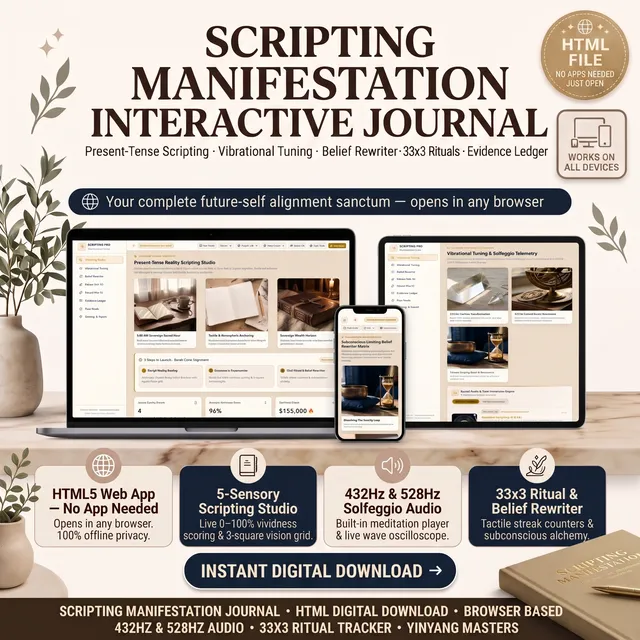
Interactive planners and journals that open in your browser, on phone or laptop.



Most popular
What shoppers search for most
Ranked by what people searched on Google over the last 4 weeks.


Go deeper
Guides on this topic



Keep exploring
More from Yin Yang Masters




Get Your Free 2027 Angel Number Year Map
Enter your birthday to reveal your 2027 Personal Year, the angel number guiding each month, and a private workspace to set your intentions.
More in this series
Pomodoro Technique for UI/UX Designer: Complete Professional Workflow & Implementation Guide
Eisenhower Priority Matrix for UI/UX Designer: Complete Professional Workflow & Implementation Guide
Time Blocking & Calendar Defense for UI/UX Designer: Complete Professional Workflow & Implementation Guide
Getting Things Done (GTD) for UI/UX Designer: Complete Professional Workflow & Implementation Guide
Eat That Frog First for UI/UX Designer: Complete Professional Workflow & Implementation Guide
The Rule of 3 Focus for UI/UX Designer: Complete Professional Workflow & Implementation Guide
Common questions
During high-pressure deadline surges, strip away optional secondary routines. Anchor your framework strictly around architecting end-to-end interactive onboarding user journeys in Figma, communicate clear boundaries to cross-functional stakeholders, and preserve at least one core execution block daily.
Sources
Scholarly, traditional and cross-checked references used for this guide.
- 1.Atomic Habits: An Easy & Proven Way to Build Good Habits & Break Bad Ones
- 2.Deep Work: Rules for Focused Success in a Distracted World
- 3.Measure What Matters: How Google, Bono, and the Gates Foundation Rock the World with OKRs
- 4.The Bullet Journal Method: Track the Past, Order the Present, Design the Future

Turn what you just read into a daily practice
Printable and interactive planners built on these guides: moon rituals, manifestation scripting, habit and focus systems. Instant download, yours to keep.