



Amazon 5-Day RTO Survival Guide & Coffee Badging Framework


The Amazon five-day return-to-office mandate has triggered widespread disruption for corporate workers navigating sudden commute obligations and rigid badge-swipe monitoring. Rather than risking disciplinary review or burnout, professionals are adopting structured tracking frameworks, setting clear commuting boundaries, and strategically utilizing hybrid schedule planning to sustain operational output while maintaining work-life equilibrium.
Corporate return-to-office (RTO) policies across major technology campuses have entered an uncompromising enforcement phase. When Amazon CEO Andy Jassy announced in September 2024 that Amazon corporate employees must return to physical offices five days a week starting January 2025, the era of unmonitored flexible work abruptly concluded. For tens of thousands of knowledge workers, this policy reversal introduced severe logistical challenges, extended commuting hours, and automated desk-presence surveillance.
Navigating this transition without jeopardizing your career standing or personal well-being requires a strategic, data-backed approach. This survival guide outlines the operational realities of the mandate, examines the risks of passive resistance tactics such as coffee badging, and provides actionable frameworks for tracking your attendance and optimizing your daily productivity.
1. The Structural Realities of Amazon's 5-Day In-Office Mandate
As of January 2025, Amazon formally enacted its five-day in-office mandate, requiring global corporate employees to report to assigned central office hubs five days per week, barring rare documented medical or executive exemptions. First announced in a company-wide memo by Andy Jassy in September 2024, this decision was formally framed around fostering collaborative innovation, accelerating cross-team mentorship, and strengthening corporate culture. However, internal employee sentiment surveys and industry analyses have highlighted sharp trade-offs:
- Commuting Friction: Employees face an average of 60 to 90 minutes of daily transit time, directly subtracting from creative bandwidth and family responsibilities.
- Relocation Pressure: Workers hired during remote-first initiatives were directed to relocate near primary corporate hubs or face structured separation programs.
- Automated Verification: Badge-swipe data is systematically monitored, aggregating building entry timestamps into management compliance dashboards.
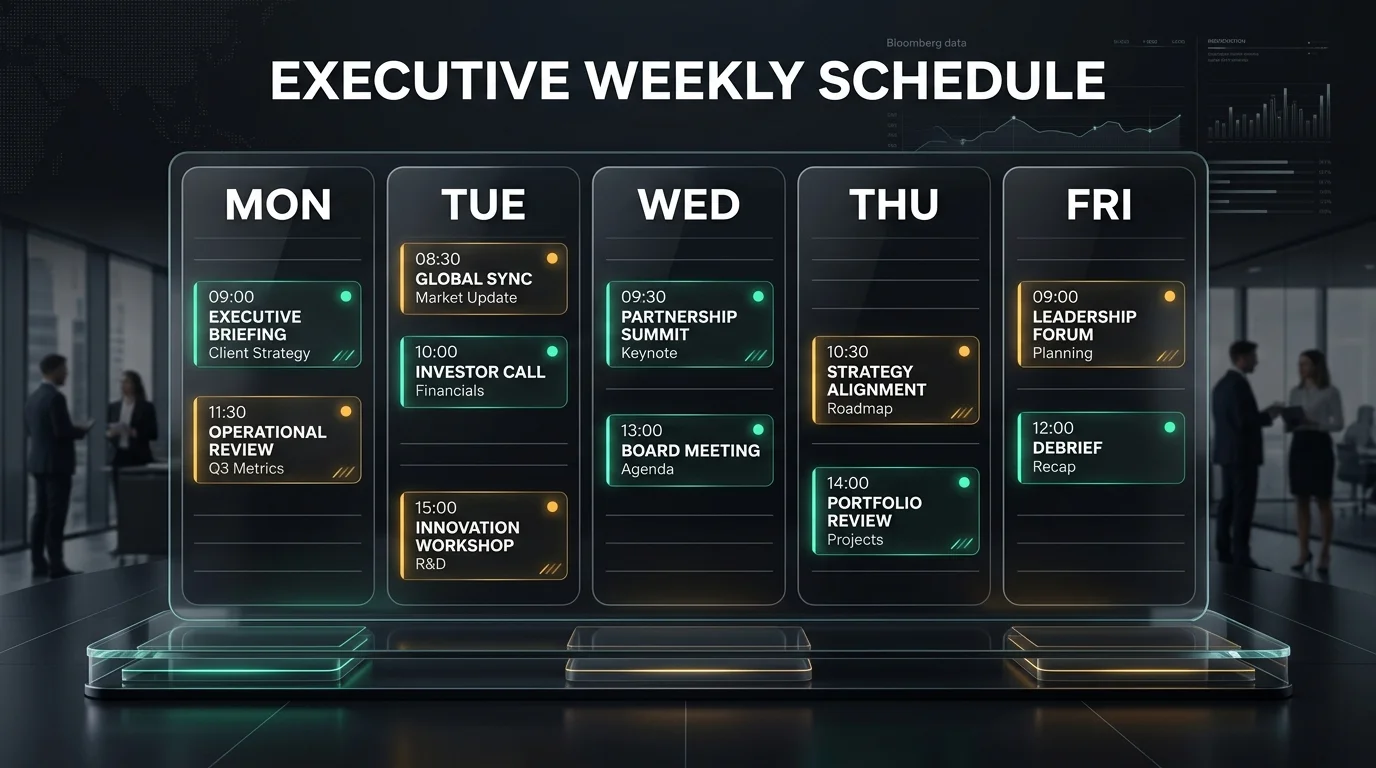
Rather than reacting with emotional frustration, strategic employees treat office presence as an operational constraint. Success in this environment requires treating your weekly calendar as a strictly managed asset, separating focus-intensive engineering or writing tasks from collaborative in-office discussions.
2. Understanding Coffee Badging: Motivations, Risks, and Corporate Responses
In response to strict in-office mandates, the practice known as coffee badging rapidly emerged across corporate campuses. Coffee badging describes the habit of an employee arriving at the office, swiping their corporate identification badge to log building access, grabbing a coffee, chatting briefly with colleagues, and returning home to complete their working hours remotely.
While coffee badging provides a temporary feeling of reclaiming autonomy, relying on it carries acute operational and professional hazards:
- Granular Dwell-Time Tracking: Modern enterprise badge systems do not merely capture initial gate access; they monitor Wi-Fi association logs, internal turnstile taps, and conference room booking presence.
- Performance Review Vulnerability: Managers facing organizational pressure to enforce attendance metrics are increasingly auditing dwell times during performance calibration cycles.
- Professional Reputation: Disappearing midday without transparent communication erodes peer trust and leaves team members scrambling during unexpected urgent requests.
To mitigate compliance anxiety while protecting your personal schedule, professionals utilize private local logging tools like the Hybrid & Remote Work Schedule Tracker to maintain verifiable personal records of attendance and core hours.

Get Your Free 2027 Angel Number Year Map
Enter your birthday to reveal your 2027 Personal Year, the angel number guiding each month, and a private workspace to set your intentions.
3. The Badge Swipe Surveillance Dilemma and Career Security
Corporate surveillance mechanisms have become increasingly automated. Human resources analytics platforms cross-reference physical badge swipes with active workstation activity, Git commit logs, and Slack availability statuses.
For high-performing professionals, this metric-driven scrutiny can feel disempowering. However, your best defense against arbitrary attendance disputes is objective, personal documentation. Keeping an offline, timestamped log of your arrival times, on-site meetings, and deliverables ensures that you possess concrete evidence of your contributions if discrepancies arise.
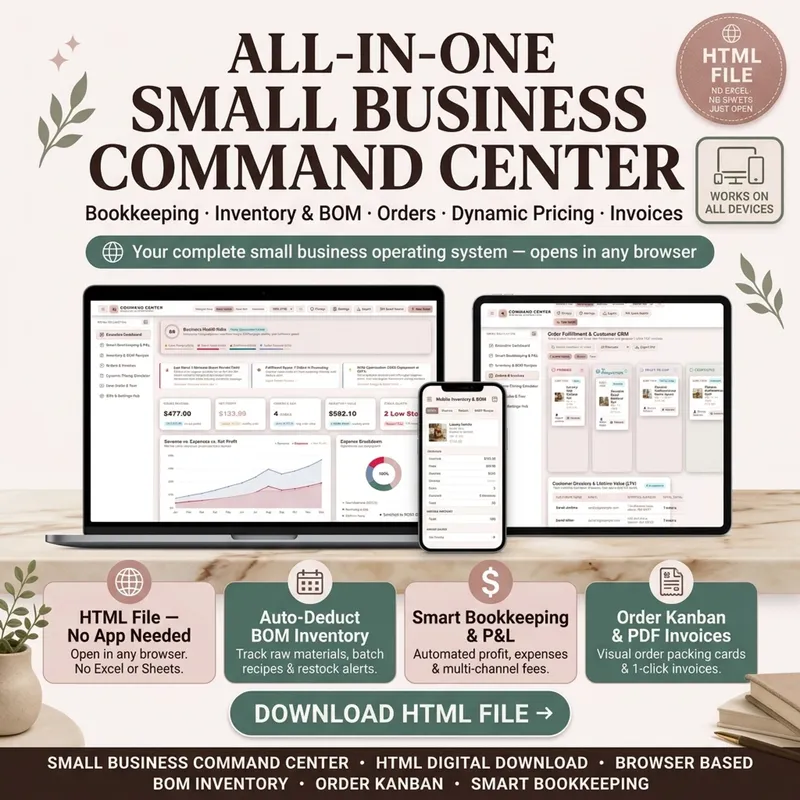
Furthermore, senior leaders often balance intense schedules by implementing rigorous prioritization frameworks. Modeling your workflow after high-efficiency executives—using tools like the Executive Daily Planner & Priority Matrix—ensures that your time on-site delivers visible leadership impact rather than passive seat-warming.
4. Reclaiming Commuting Balance Through Micro-Scheduling and Boundaries
Surviving an aggressive in-office mandate requires restructuring your entire daily rhythm. Commuting five days a week introduces predictable energy troughs that must be proactively countered:
- Segmenting Focus vs. Interaction: Dedicate office hours strictly to whiteboard sessions, team alignment meetings, and stakeholder lunches. Reserve deep-work analysis or coding for early morning home sessions or isolated quiet zones.
- Commute Monetization: Transform transit time into productive learning or mental detachment. Use audiobooks, industry briefings, or structured mindfulness to decompress between office chaos and home life.
- Rigid Time-Blocking: Establish non-negotiable boundaries around evening departure times. When your contracted hours conclude, exit deliberately to prevent office lingering from consuming your personal evenings.
Structuring your calendar with precision can be mastered using the Time-Blocking Daily Planner, which organizes your day into focused operational blocks.
5. Comparing Workflow Systems for In-Office and Hybrid Transition
Evaluating your approach to strict in-office requirements determines your resilience against workplace burnout and managerial scrutiny:
| Workplace Attendance Strategy | Average Weekly On-Site Dwell Time | Disciplinary & HR Audit Exposure | Weekly Burnout & Commute Stress | Long-Term Career Viability |
|---|---|---|---|---|
| Full Rigid Compliance | 40 - 45 hours on-site | Zero compliance risk | Severe fatigue and commute friction | Moderate; risk of chronic exhaustion |
| Unmonitored Coffee Badging | 5 - 10 hours on-site | Extreme risk of termination | Persistent anxiety over detection | Very Low; fragile under surveillance |
| Structured Strategic Hybrid | Fully documented agreement | Controlled, transparent audit trail | Balanced energy expenditure | High; sustained output and credibility |
| Independent Entrepreneurship | 0 hours corporate office | Independent autonomy | High initial operational responsibility | Unlimited scalability and freedom |
For employees seeking ultimate location autonomy, building freelance leverage or establishing an independent service venture via systems like the Small Business Operations Command Center provides a long-term exit path from corporate mandates.
Strategic Topic Frameworks & Practical Connections
To deepen your practical mastery and build an integrated operational workflow within this topic, explore these complementary guides:
- Implement the execution protocols in Dan Koe One-Person Business: 2-Hour Writing Routine to systematically strengthen your foundational routine.
- Explore the strategic principles detailed in Federal Layoff Survival Checklist: Buyouts, Severance, Benefits and Your Move to the Private Sector for advanced optimization and mental clarity.
- Apply the structured methods from How to Spot Ghost Jobs: AI Screening Audit & Application Tracker to maintain long-term momentum and consistency.
7. Conclusion
The return to a five-day in-office model represents a fundamental realignment of corporate expectations. By understanding the surveillance mechanisms in place, avoiding reckless shortcuts, and structuring your workday with disciplined intentionality, you can safeguard your career trajectory while protecting your mental and physical well-being.
Explore verified real-time macro telemetry, market catalysts, and capital flow intelligence.
Corporate directory monitoring tech company return-to-office mandates, headcount attrition trends, and commercial real estate footprints.
The Amazon 5-day return-to-office policy requires corporate employees to work from assigned company offices five days per week, discontinuing previous hybrid arrangements that permitted multiple remote working days.
Tools featured in this guide
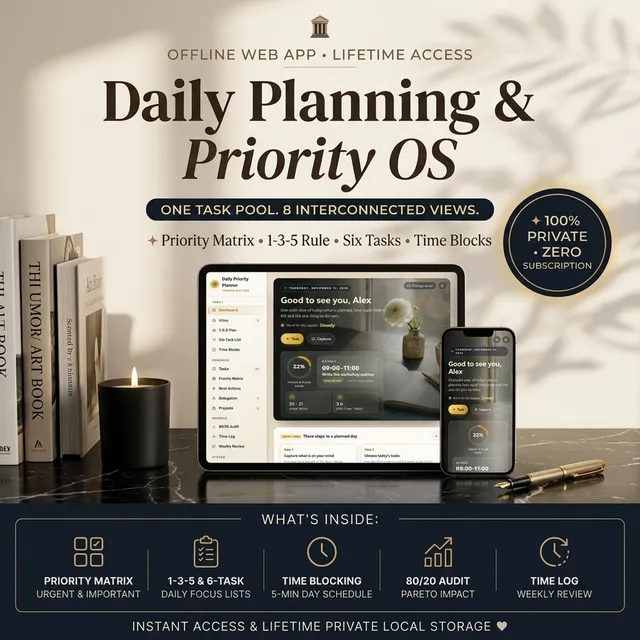
Daily Priority Planner — Time Blocking, Eisenhower Matrix & Task Manager
One task list shown as a priority matrix, a 1-3-5 plan, a six-task list and a time-blocked day, so you always know what to do next.
$27.99₫609,000
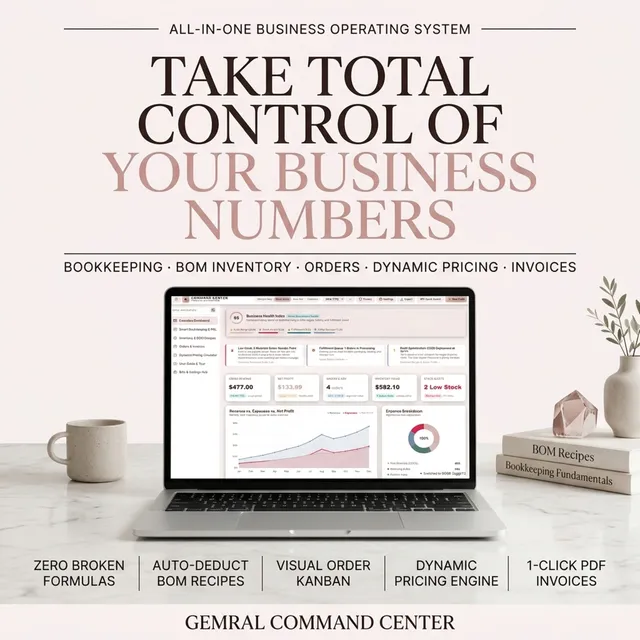
Small Business Command Center & Inventory Bookkeeping
All-in-one operating system for product makers, boutiques, and sellers to manage inventory, BOM costs, orders, and P&L.
$29₫629,000
Guides in this Topic
View all (10) →
4-Day Work Week Schedule Model: Company Trials and Capacity Planning Guide
Explore 4-day work week companies, 32-hour schedule models, shift frameworks, and team capacity planning strategies to maximize workplace productivity.
Read guide
Dan Koe One-Person Business: 2-Hour Writing Routine
Master Dan Koe's one-person business model. Learn the 2-hour daily writing routine, content ecosystem architecture, and solopreneur monetization.
Read guide
Conscious Unbossing: What It Means and How to Build a Career Without Climbing Into Middle Management
What conscious unbossing means, why middle management is shrinking, and a practical individual contributor roadmap for flat organizations.
Read guide
AI Fatigue at Work: Why AI Tools Are Adding to Burnout and a Workflow System That Fixes It
Why AI tools add to workload and burnout, the warning signs of AI fatigue, and a simple delegation and review system to get your time back.
Read guide
Jobs AI Can't Replace: Building an Irreplaceable Human Moat and Career Roadmap
Strategic guide to jobs AI cannot replace. Build human moat skills, map career transition milestones, and launch resilient independent income streams.
Read guide
Federal Layoff Survival Checklist: Buyouts, Severance, Benefits and Your Move to the Private Sector
A practical checklist for federal employees facing RIFs or buyouts: VSIP vs severance vs VERA, leave payout, FEHB TCC, TSP, ethics rules and a 90-day plan.
Read guide
From the blog
Latest articles




Topic Pillar
Career Path & Mindful Work
Practical advice for navigating career changes, recovering from burnout, and building independent, fulfilling work.

Ask Yinyang Masters inside your AI assistant
Get the same calculations and guidance right in your chat: add the free Yinyang Masters app, then ask in plain English. No account needed.
Try asking: “Find a Yinyang Masters guide about starting a daily spiritual practice.”
Put it into practice
Digital tools for this topic
Interactive planners and journals that open in your browser, on phone or laptop.



Most popular
What shoppers search for most
Ranked by what people searched on Google over the last 4 weeks.
Go deeper
Guides on this topic


Keep exploring
More from Yin Yang Masters



Get Your Free 2027 Angel Number Year Map
Enter your birthday to reveal your 2027 Personal Year, the angel number guiding each month, and a private workspace to set your intentions.