

Deep Work Tracker Results: Real Stories of More Focused Hours and Calmer Weeks


A deep work tracker helps when it shows you, honestly, where your focused hours went. People here set a weekly goal, planned a few focus blocks with one clear output each, ran a timer that counted interruptions and closed the week with a short review. Their lab is at /products/deep-work-focus-lab.
Time Blocking, Focus Timer & Second Brain Dashboard
Each week you get deep-work blocks that produce the output you planned, with fewer interruptions and a clear count of hours per project.
- Open in 10s
- Private · $0 monthly
- EN · VI · ZH included

Want to go further with this result?
Your free 2027 Angel Number Year Map
Enter your birthday to see your 2027 Personal Year and the angel number for each month, with space to write your intentions.
Quick answers
For more than 8 years, people in Jennie Uyen Chu's community, now 2,400,000+ followers and 38,000+ students, have described changes like these: longer stretches of real focus, fewer scattered days and weeks that end with a clear head.
These are personal experiences, not promised results. The lab is a self-organisation tool, not medical, psychological, career or professional advice.

What a Deep Work Tracker Changes Day to Day
Nobody in these stories found a secret trick. What they describe is plainer: they stopped guessing how much focused work they did and started counting it. Once the number was in front of them, they protected it the way you protect anything you can see.
Research points the same way. Switching between tasks has a real cost in time and mistakes, and the absorbed state people call flow tends to arrive when a task is clear, a little challenging and not broken up every few minutes. A fixed 25-minute timer suits some people; others, like most here, found a flexible session that runs as long as the focus lasts, with a break earned from the time worked, easier to keep.
Jennie Uyen Chu's community of 2,400,000+ followers has talked about discipline and focus for years, and the lesson keeps coming back: plan the hours, protect them, then look at what actually happened.
Get Your Free 2027 Angel Number Year Map
Enter your birthday to reveal your 2027 Personal Year, the angel number guiding each month, and a private workspace to set your intentions.
Real Stories From People Who Used the Lab
People with very different kinds of work used the same lab, and each of them noticed something shift.
Ethan M., Portland: training for focus like he once trained for races
A college swimmer turned grant writer, he worked ten-hour days and still felt nothing important got done. He set a weekly goal of 12 deep hours, the way he once set lap targets, and ran every session on the focus timer against one project. The first weeks showed 5 or 6 hours. He kept the streak alive with a short session even on bad days. "I used to count laps. Now I count deep hours, and the number doesn't lie." Two months later most of his weeks reach the goal.
Priya S., Toronto: a thesis chapter that finally moved
Her chapter had stalled for a term. She planned four morning blocks a week in the Deep Block Planner, each with one output, such as "draft section 2.3", not "work on thesis". She set up a think week for her literature review, with a reading list that told her how many pages a day she needed. Her notes, filed under the thesis project, showed which ones she had never linked to anything. "Seeing 38 pages a day made it a plan instead of a fear." The chapter went to her supervisor five weeks later.
Hannah K., Austin: fewer interruptions, quieter afternoons
A freelance designer, she was interrupted almost every few minutes. The timer's interruption counter showed she was averaging more than six an hour. In the Digital Declutter she listed alerts, open tabs and apps, gave each a value score from 1 to 5 and decided keep, archive or remove. "Most of my distractions were things I'd said yes to once and forgot." Within three weeks her afternoons averaged two interruptions an hour, and her session quality scores went up.
Lucas B., Lyon: saying no on purpose
A founder with too many good ideas, he said yes to everything and finished little. In the Minimal Decision Journal he wrote each choice, what he was saying no to and why, then set a look-back for 30 days. When a decision came due, he marked the outcome. "Writing down the no was harder than the yes, and it was the part that saved my weeks." He also used the Five-Second Action Log before awkward calls; his action rate rose as he stopped waiting to feel ready.
Grace O., Melbourne: noticing when assistant-heavy days wore her out
She works alongside an AI assistant all day and could not explain why some days left her drained. She logged context switches, open tools and fatigue in the Assistant Workflow Load page, and the daily load score showed four overloaded days in two weeks, all on days with long chains of small requests. In the Request Template Log she kept the wording that worked and found her best template. "Once I saw the overloaded days, I started batching small requests into one block." Her overloaded days became rare.
How the Practice Looks Inside the Lab
Most people here spent about two minutes each morning checking the plan and about ten minutes on the weekly review.
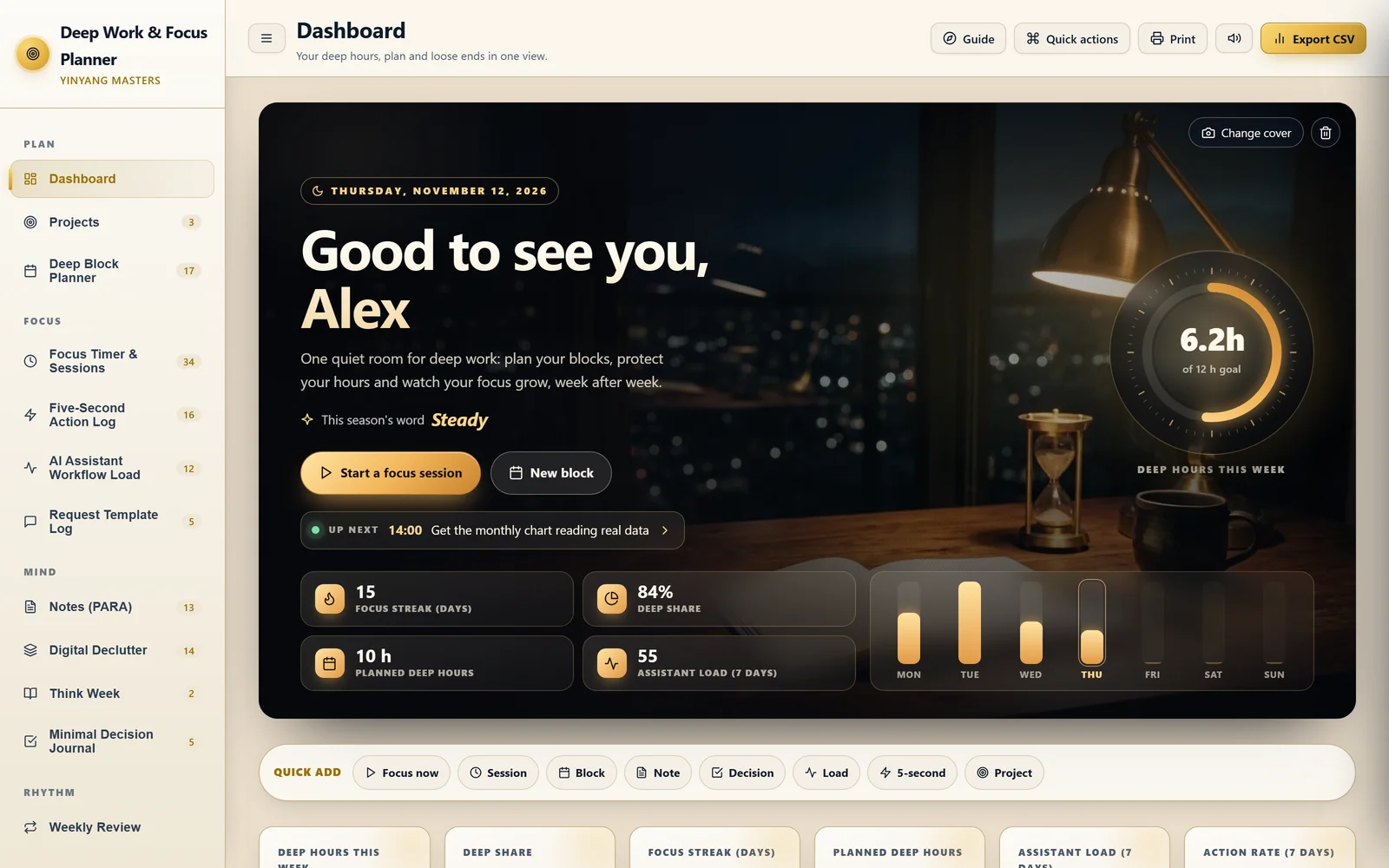
Open the Dashboard. One view shows deep hours this week against your goal, deep share, focus streak, planned deep hours, assistant load and action rate, plus a short list of what needs attention and today's blocks.
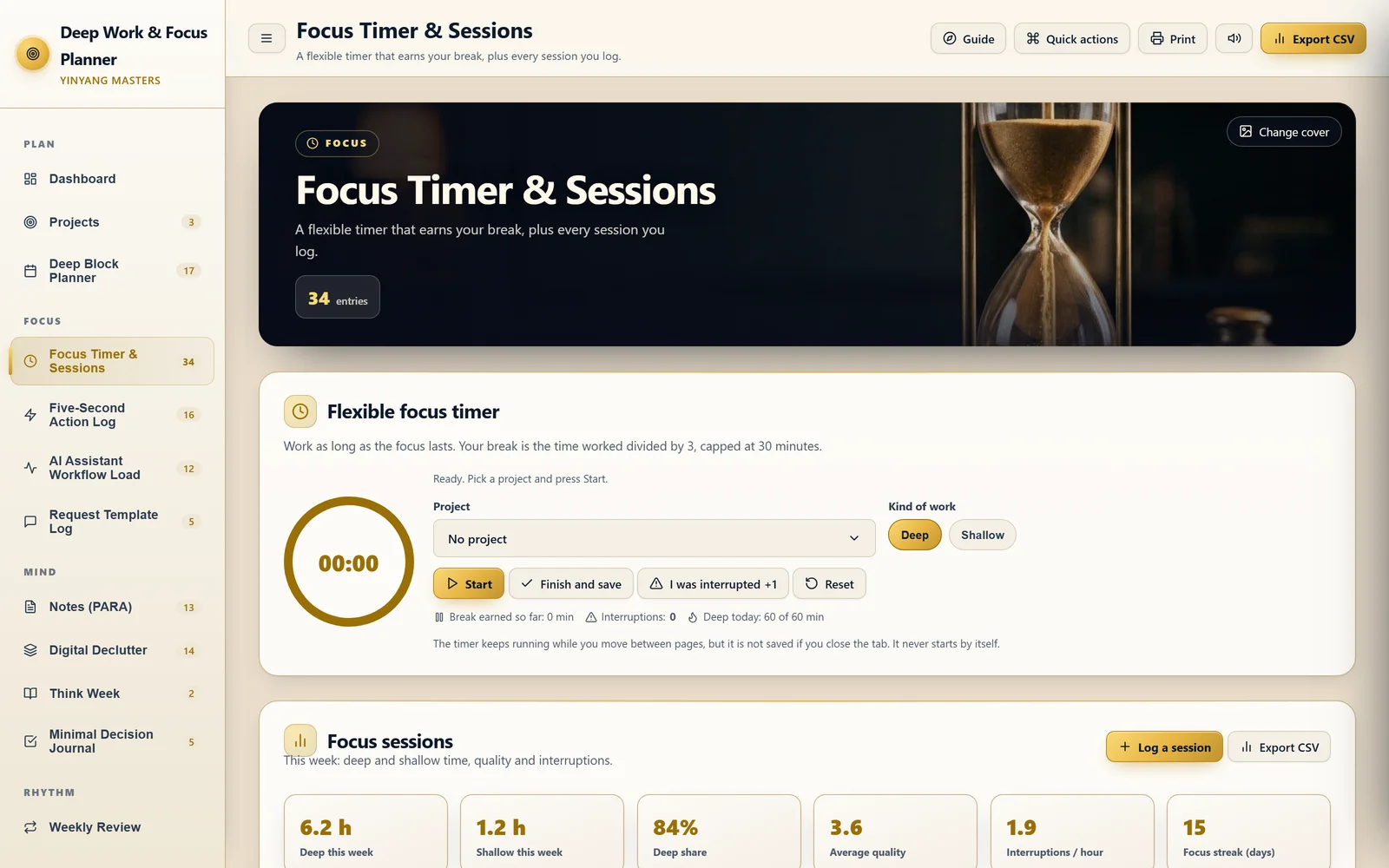
Run a focus session. Pick a project and whether the work is deep or shallow, press Start and work as long as the focus lasts. Tap "I was interrupted" when it happens. Your break is the time worked divided by your own rule, up to a cap, and the timer never starts by itself.
Keep everything linked to a project. Sessions, blocks, notes, decisions, declutter items and more attach to a project. Open it to see everything in one panel, and its progress compares deep hours logged with your estimate.
Plan the week in blocks. A seven-day grid of focus blocks, each with one output, warns you when blocks overlap and compares planned deep hours with your weekly goal.
Clear what pulls you away. The Digital Declutter scores files, apps, alerts, email, tabs and accounts, and tracks items cleared as you decide.
Close the week. The Weekly Review fills in twelve numbers for you; you add what went well, what drained your focus and one change.
If you want this structure for yourself, the Deep Work & Focus Planner is a private lab for protecting focused hours, in English, Vietnamese and Chinese. It connects projects, a deep block planner, a focus timer and session history, linked notes, a digital declutter, a think week, a decision journal, a five-second action log, an assistant workload log and a weekly review, so your whole focus week lives in one place.
If the hours around your focused work are what slip, the Habit Tracker & Streak Planner goes deeper on daily habits, with real streaks, habit stacks, challenges and a warning after two missed days in a row.
Why One Lab Instead of Separate Timers and Notebooks
Focus tools tend to scatter: a timer on one screen, a paper planner for the week, a notes app, a declutter checklist and a decision diary somewhere else. None of them talk to each other, so nobody can answer the real question: did my focused hours go where I meant them to?
The Deep Work & Focus Planner keeps all of it together, with the project as the hub, so the numbers add up on their own. Your entries stay private, and you can print pages or keep a backup from Settings.
| Separate timers, apps and notebooks | The Deep Work & Focus Planner | |
|---|---|---|
| Sessions, blocks, notes, decisions | Spread across several tools | 14 connected pages, linked by project |
| Deep hours | Guessed or added up by hand | Deep hours, deep share and streak worked out for you |
| Breaks | A fixed alarm, whatever the work | A break earned from the time you worked |
| Interruptions | Rarely counted | Counted in every session, shown per hour |
| Weekly review | A blank page | Twelve numbers filled in before you start |
What People Noticed, and When
The first shift was usually honesty, not a sudden jump in output: seeing how many truly focused hours a week held. Bigger changes followed the habits people built around that number.
| Situation | Part of the lab they used most | First shift they noticed | Typical time |
|---|---|---|---|
| Busy but unproductive | Focus timer, weekly deep-hours goal | A true count of deep hours | 1 to 2 weeks |
| A big project stuck | Deep Block Planner, think week | Blocks with one clear output | 2 to 5 weeks |
| Constant interruptions | Interruption counter, digital declutter | Fewer interruptions an hour | 2 to 4 weeks |
| Too many commitments | Decision journal, five-second log | Saying no on purpose | 2 to 6 weeks |
| Drained by assistant-heavy days | Assistant workload, request templates | Spotting overloaded days | 1 to 2 weeks |
Each row is a pattern from shared stories, not promised results.
Start Your Focus Lab for 2026 and 2027
You do not need to wait for January. Most people here started mid-season with one real project and a modest weekly goal, then carried the same lab into the new year, raising the goal only once the streak held.
Sources & Verified References
- [1]Wikipedia — Flow (psychology) (research on deep, absorbed attention) ↗
- [2]Wikipedia — Task switching (research on the cost of switching between tasks) ↗
- [3]Wikipedia — Pomodoro Technique (fixed-interval focus timing) ↗
Reviewed for practical mindfulness & personal development alignment. Editorial Policy
Topic Pillar
Mindful Productivity & Focus
Calm time-planning methods, priority checklists, and note-taking habits to get meaningful work done without stress.
Tools featured in this guide
 Save 20%
Deep Work & Focus Planner
Plan deep work blocks, run focus sessions with a timer, and see whether your focused hours went where you meant them to.
$27.99$22.39$27.99₫609,000₫487,000₫609,000
 Save 20%
Habit Tracker & Streak Planner
A habit tracker web app that links daily check-ins, streaks, habit stacks, challenges and urge logs, so you can see which habits are holding and which are slipping.
$27.99$22.39$27.99₫609,000₫487,000₫609,000
How readers changed with these practices
For more than 8 years, a community of over 2,400,000 followers and 38,000+ students has shared how these daily practices helped in love, money and inner calm.
 Love story
Twin Flame Journal Results: Real Stories & Daily Practice
Does a twin flame journal work? Real stories of healing after breakups, calling in a soulmate and finding calm, plus how the daily practice looks.
Read guide Money story
Money Manifestation Journal Results: Real Stories
Does a money manifestation journal work? Real stories of paying off debt, asking for a raise and easing money anxiety, plus the daily practice.
Read guide
 Love story
Manifest After a Breakup: Real Healing Stories
Real stories of manifesting after a breakup: how people used self-love affirmations, mirror work and a love journal to heal and open up again.
Read guide Money story
Manifest Debt Free: Real Stories of Steady Progress
Real stories of manifesting a debt-free life: money affirmations and an abundance journal paired with a clear goal, a deadline and daily evidence.
Read guide Love story
Manifest Your Soulmate: Real Stories That Started Within
Real stories of manifesting a soulmate: how people wrote an Ideal Partner Script, built a vision board and said yes to life before love arrived.
Read guide Money story
Manifest a Raise: Real Stories of Asking With Confidence
Real stories of manifesting a raise or promotion: clearing money blocks, practising confidence affirmations and logging proof before asking.
Read guide Love story
Twin Flame Reunion Stories: Real Journeys to Peace
Real twin flame reunion stories: how people used journey stages, a signs log and guided meditation to find peace during separation, together or apart.
Read guide Money story
Money Anxiety to Money Calm: Real Stories
Real stories of easing money anxiety: a short guided meditation before checking accounts, a weekly money date and a gentle look at old beliefs.
Read guide
More Guides in This Topic
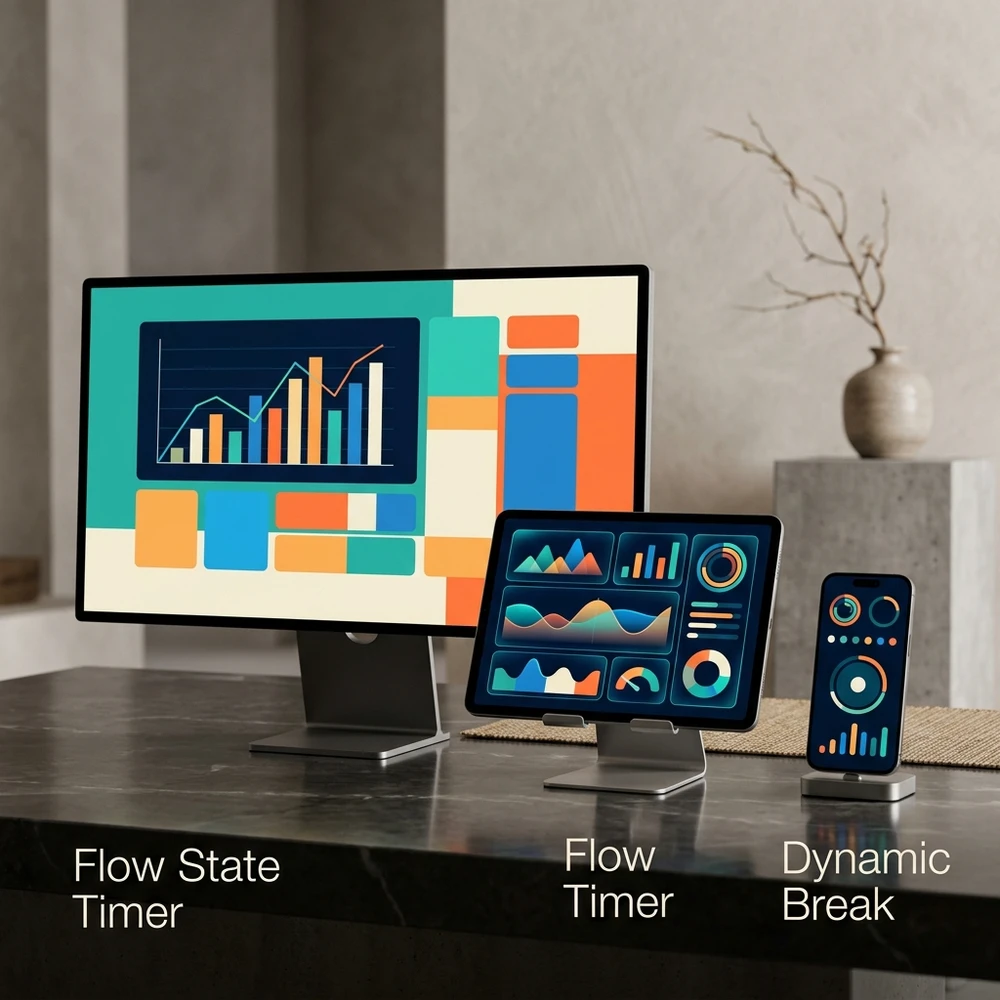
View all (30) →Flowmodoro Technique: Deep Work Flow State Timer Guide
Master the Flowmodoro technique to enter unbroken deep work flow states. Learn the stopwatch count-up protocol, 1:5 break ratios, and anti-burnout rules.
Read guide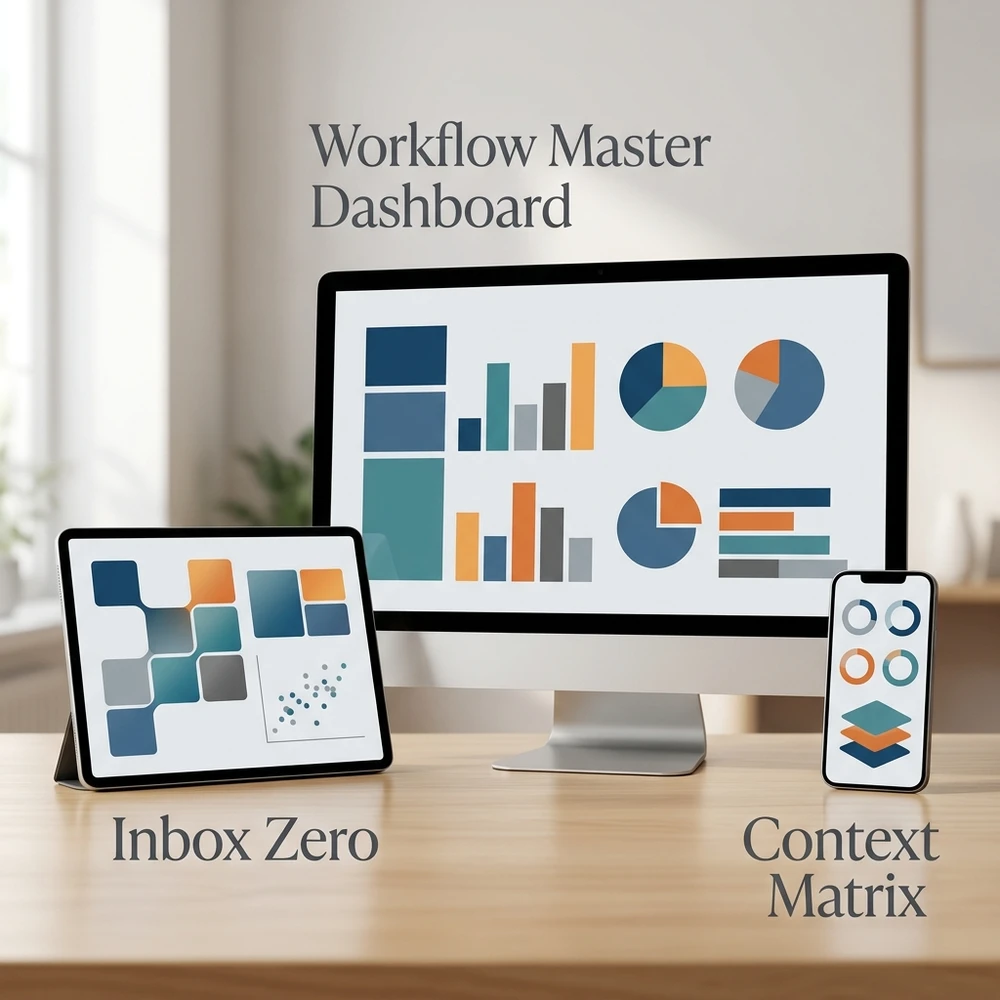
Getting Things Done (GTD) Master Workflow Guide: Inbox Zero
Master David Allen's GTD workflow: learn the 5-step capture-to-engage process, achieve Inbox Zero, and build a stress-free external second brain.
Read guide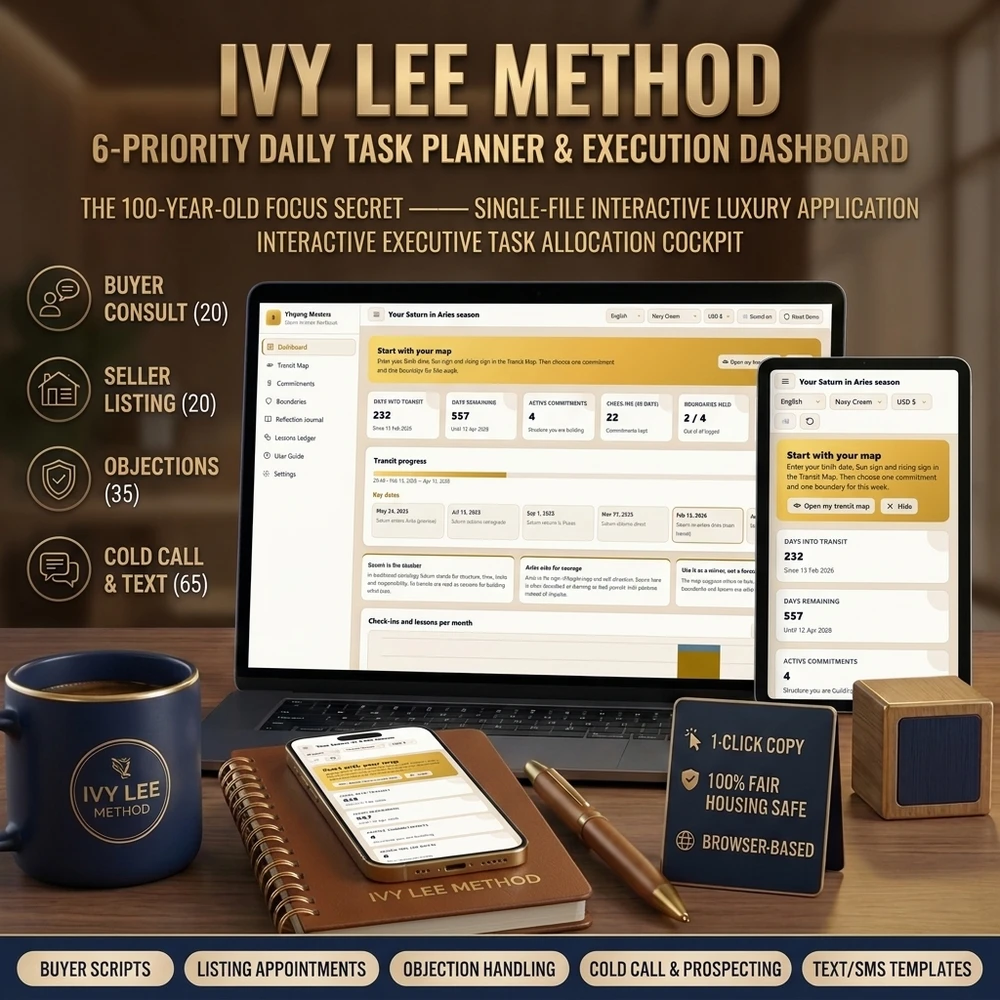
Ivy Lee Method: 6 Daily Priorities Productivity Guide
Master the 100-year-old Ivy Lee Method to streamline daily task management, conquer decision fatigue, and focus relentlessly on six high-impact goals.
Read guide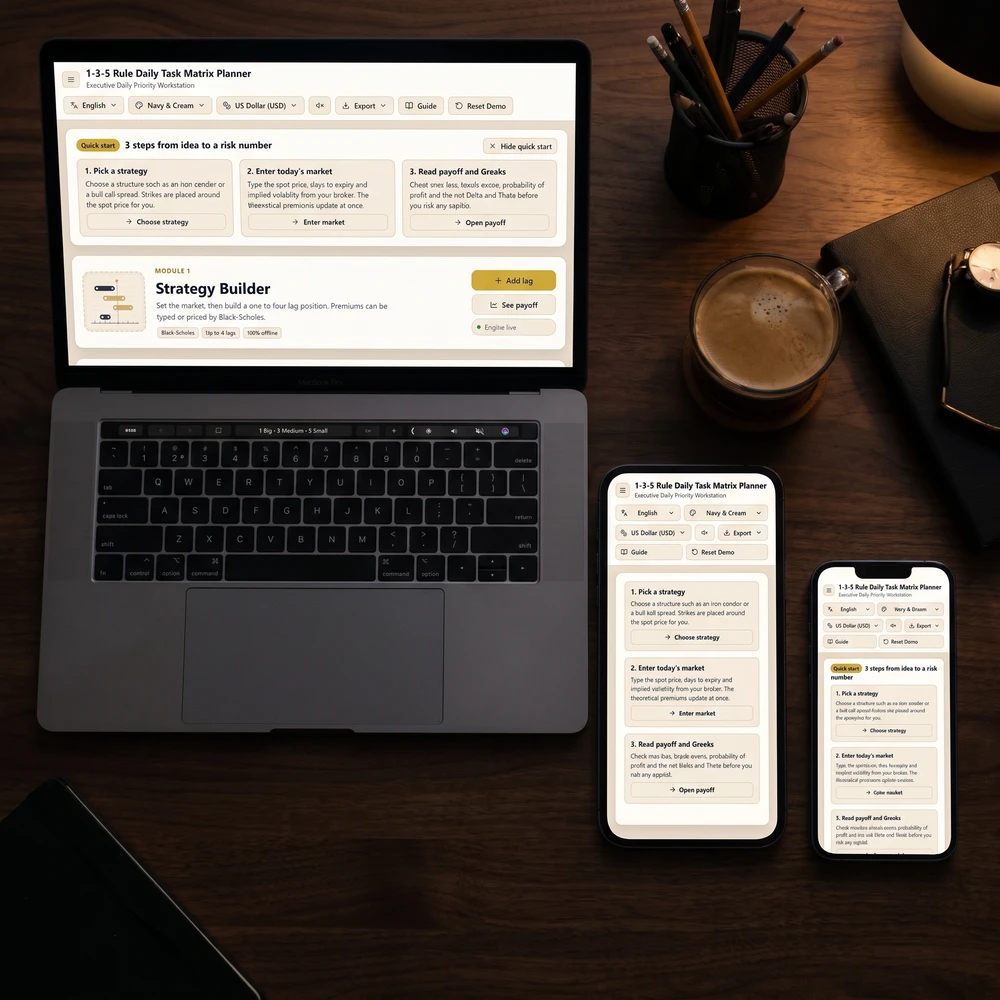
The 1-3-5 Rule: Daily Task Prioritization Guide
Master the 1-3-5 rule daily productivity system: organize 1 big goal, 3 medium tasks, and 5 quick wins to eliminate burnout and maintain daily focus.
Read guide
Go deeper: guide series on this topic
Each series answers one question across many cases, such as every angel number in love or every zodiac pair.

Productivity Frameworks by Profession
Every productivity framework activates specific cognitive rhythms and structural boundaries, requiring disciplined alignment with your profession's core demands to achieve sustained high-performance execution without…
240 guides
From the blog
Latest articles




Trending now
What readers are opening this week
Ranked by real visits over the last 7 days.
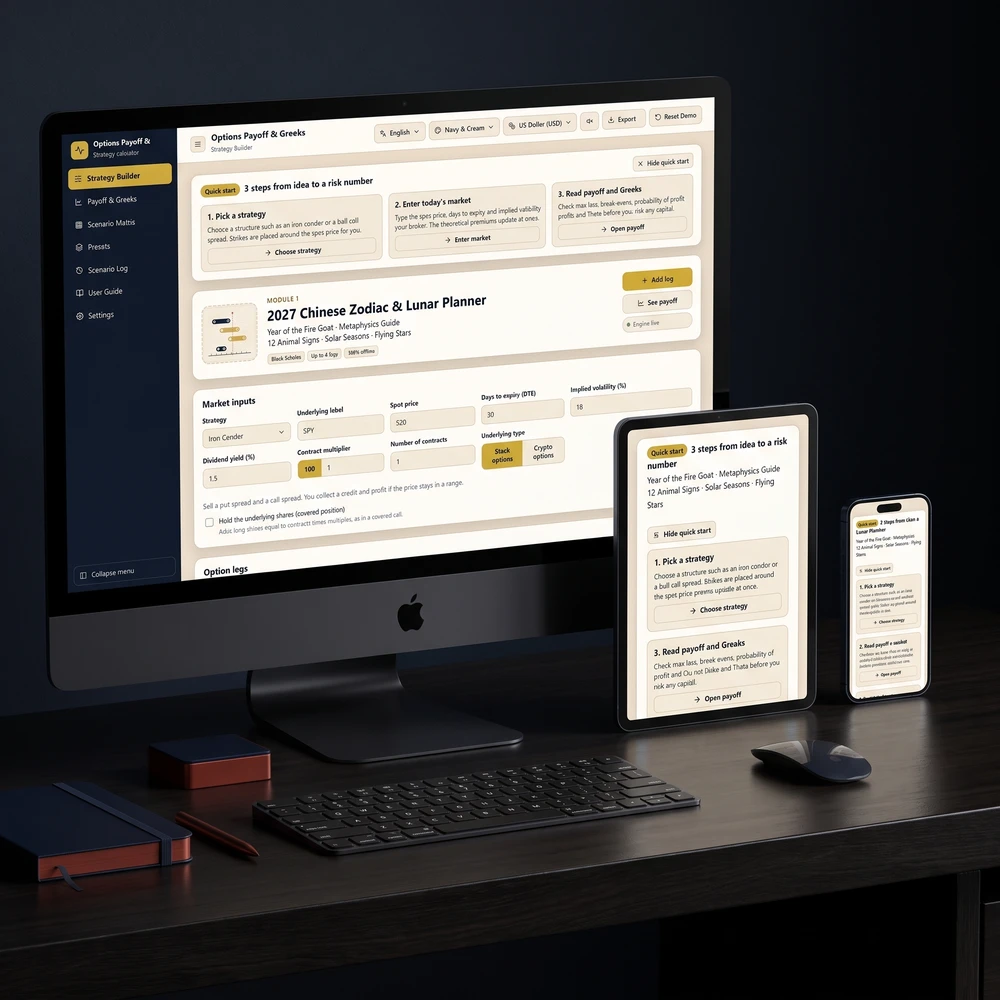

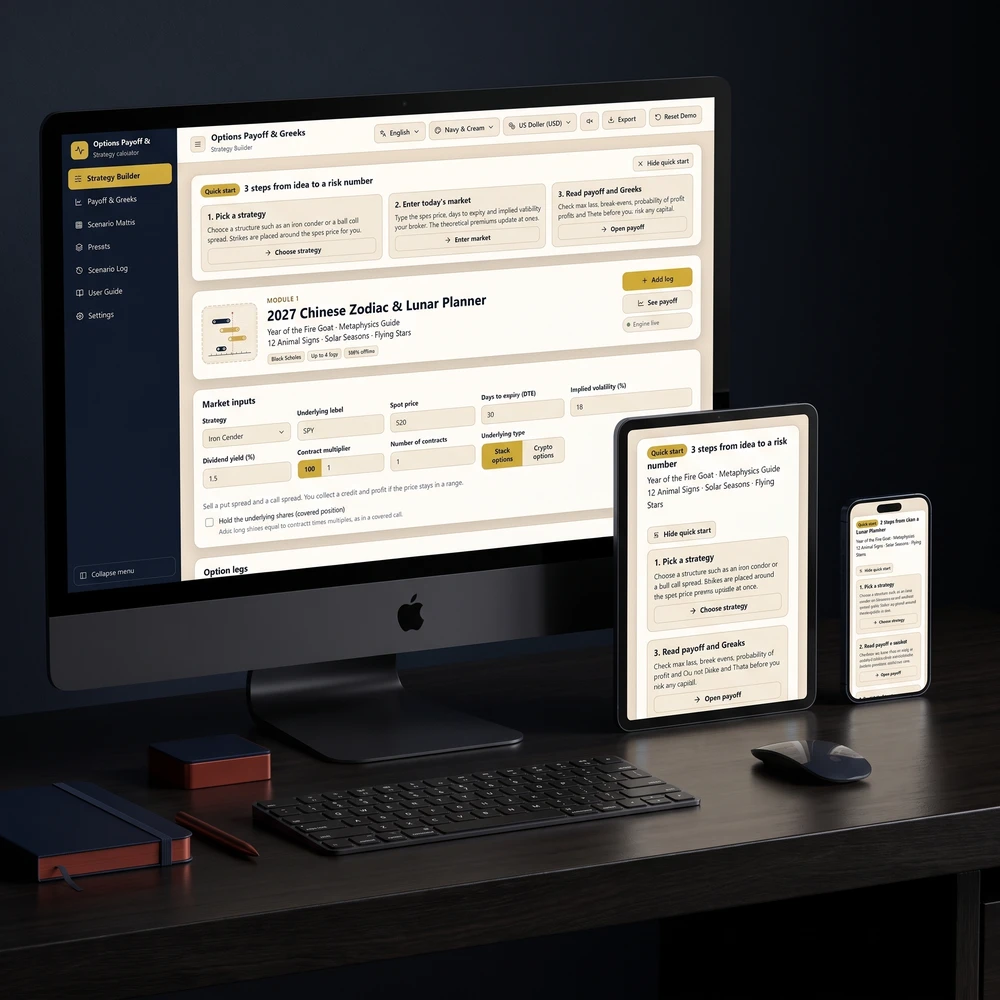
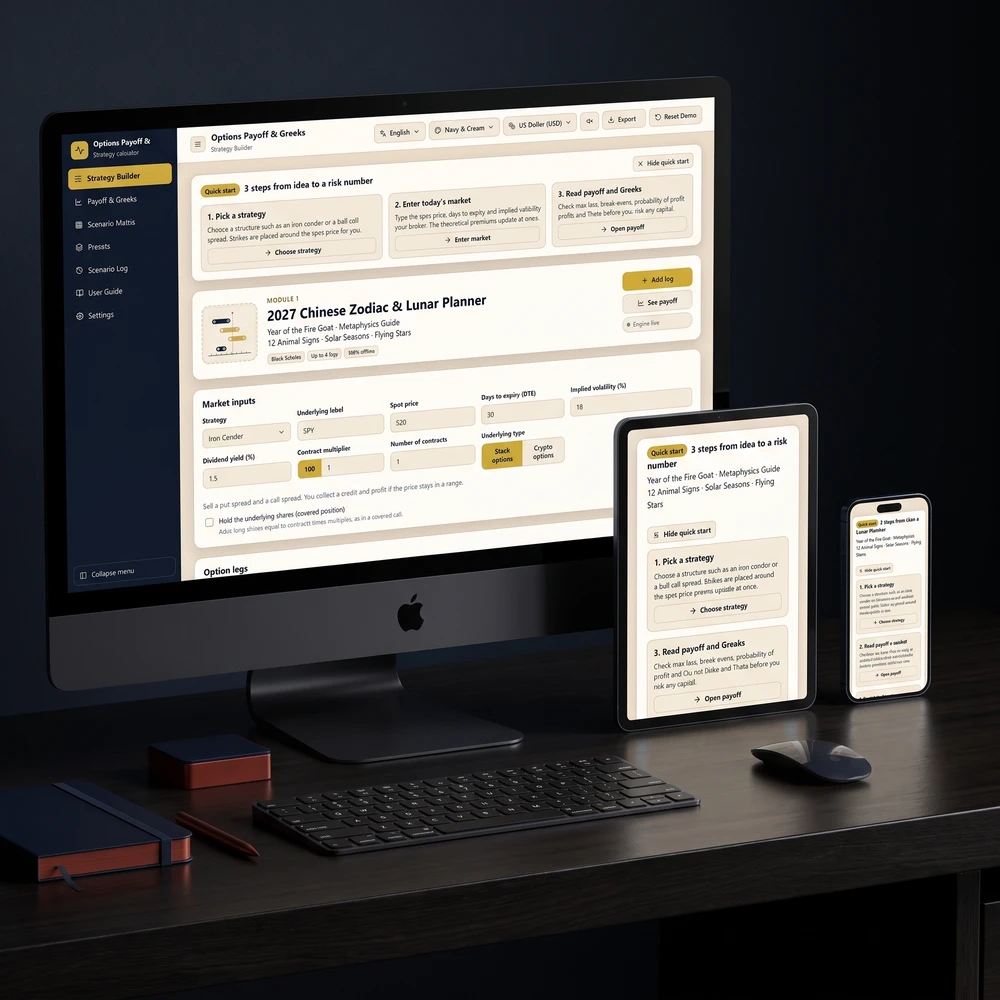

Deep Work & Focus Planner — Time Blocking, Focus Timer & Second Brain Dashboard
Plan deep work blocks, run focus sessions with a timer, and see whether your focused hours went where you meant them to.
Get Your Free 2027 Angel Number Year Map
Enter your birthday to reveal your 2027 Personal Year, the angel number guiding each month, and a private workspace to set your intentions.
Follow along
Daily rituals on your feed
Short guides, moon rituals and planner walkthroughs from Yin Yang Masters.



Keep exploring
More from Yin Yang Masters



Ask Yinyang Masters inside your AI assistant
Get the same calculations and guidance right in your chat: add the free Yinyang Masters app, then ask in plain English. No account needed.
Try asking: “Find a Yinyang Masters guide about starting a daily spiritual practice.”

Meet Moon Keeper, our live altar host
Every hour Moon Keeper reads the sky, draws one tarot card and shares a calm 3-minute reflection. Drop by the altar, follow the hourly diary and leave a note in the guestbook.

Get the Yin Yang Masters Letter Every Day
One short email a day: a practice for today, a real reader story, and the newest guide on love, money and inner calm.
For more than 8 years, a community of over 2,400,000 followers and 38,000+ students has shared how these daily practices helped in love, money and inner calm.