Building a Second Brain Summary: Tiago Forte PARA Method Guide


Tiago Forte's Building a Second Brain provides an operational blueprint for personal knowledge management designed to liberate biological cognitive bandwidth. By implementing the four-part CODE methodology alongside the action-oriented PARA organizational structure, modern professionals transform passive information consumption into an automated, creative engine of compounding intellectual capital and tangible output.

Want to go further with this result?
Your free 2027 Angel Number Year Map
Enter your birthday to see your 2027 Personal Year and the angel number for each month, with space to write your intentions.

You just tried the quick preview. Open the full browser web app to save private entries on your device, listen to guided audio, and track daily progress.
- Open in 10s
- Saved on your device · $0 monthly
- EN · VI · ZH included
Quick answers
1. The Core Crisis: Information Overwhelm and Biological Limitations
Human biology was engineered for immediate survival in resource-scarce environments, not for processing thousands of algorithmic stimuli, newsletters, research whitepapers, and Slack notifications daily. When knowledge workers attempt to store critical facts, book highlights, and procedural instructions inside their biological memory, they suffer chronic cognitive friction.
Tiago Forte's foundational premise states: Your brain is for having ideas, not for holding them.
Attempting to use your biological memory as a filing cabinet creates severe cognitive penalties:
- Attention Residue: Trying to remember uncompleted tasks and book snippets drains working memory, leaving less executive bandwidth for complex problem-solving.
- The Retrieval Barrier: When creative inspiration strikes, hunting through fragmented bookmarks, browser tabs, and random notebooks stifles momentum.
- Passive Consumption Bias: Reading dozens of non-fiction books without systematic capture leads to the illusion of learning—where facts fade into vague impressions within weeks.
A "Second Brain" is an external, centralized, digital repository where your intellectual capital is organized not by encyclopedic Dewey Decimal subjects, but by actionability.
Get Your Free 2027 Angel Number Year Map
Enter your birthday to reveal your 2027 Personal Year, the angel number guiding each month, and a private workspace to set your intentions.
2. The CODE Methodology: The Universal Knowledge Pipeline
Every insight, quote, article, and meeting note travels through a four-stage pipeline known as CODE:
1. Capture: Keep What Resonates
Do not attempt to save everything. Curation is the art of strategic omission. Capture only the top 5% to 10% of content that truly resonates—insights that surprise you, challenge your assumptions, or directly solve an active problem. Adopt the mindset of a museum curator: treat incoming information with discernment.
2. Organize: Save for Actionability
Traditional note-taking organizes information by topic: Biology, Marketing, History. Forte argues this is why digital folders become chaotic graveyards. Information should be filed according to where it will be used, rather than where it came from. When you save an article on pricing strategy, ask: Which active project will execute this tactic first?
3. Distill: Find the Essence
Raw notes are useless when you are rushing to deliver a presentation. Distillation transforms a 20-page transcript into a 30-second executive insight through Progressive Summarization. Every note must be formatted so your future, time-starved self can digest its core message in seconds.
4. Express: Show Your Work
Knowledge that is not expressed through tangible creative output is dead weight. The ultimate metric of a Second Brain is not how many gigabytes you store, but what you build: articles published, software deployed, client proposals won, and systems optimized.
3. The PARA Method: The 4 Containers of Dynamic Organization
The crown jewel of Tiago Forte's framework is PARA: a dynamic, four-tiered organizational architecture that adapts to any operating system, note app, or digital storage drive.
1. Projects
A Project is an active effort tied to a clear deliverable and a non-negotiable deadline. Examples include: Launch Q4 redesign by November 15, Complete 10km marathon training, Submit audited tax returns. Projects have a definitive finish line.
2. Areas of Responsibility
An Area is an ongoing sphere of life with a standard of performance to maintain, but without a deadline. Examples include: Health & Fitness, Personal Finances, Software Engineering Excellence, Parenting. Areas never end; they are either nurtured or neglected.
3. Resources
Resources are curated libraries of interests, research topics, and reference materials that do not belong to an immediate project or core area. Examples include: Behavioral Economics Notes, Graphic Design Typography Swipe Files, Web3 Smart Contract Templates.
4. Archives
Archives are the cold storage vault of your Second Brain. Completed projects, dormant areas, and outdated resource folders are immediately moved here. Archives preserve historical work without cluttering your active working desktop.
4. Comparing Knowledge Architecture: Traditional vs PARA Method
To understand why traditional folder hierarchies fail knowledge workers, examine the operational contrast between conventional topic-based organization and Forte's action-oriented PARA system:
| Structural Dimension | Traditional Subject Organization | Tiago Forte PARA Method |
|---|---|---|
| Categorization Lens | Broad academic subjects (e.g., Finance, Law, Marketing) | Direct actionability and impending project deadlines |
| Retrieval Speed | High friction; requires remembering where file originated | Low friction; search points directly to current active project |
| Folder Maintenance | Bloated, nested folders with hundreds of stagnant sub-trees | Dynamic, flat structure with rapid archiving upon project completion |
| Cognitive Load | Constant indecision over where new documents belong | Clear 4-box decision heuristic applied in under 5 seconds |
| Creative Momentum | Passive archiving that gathers digital dust indefinitely | Modular knowledge blocks pre-packaged for immediate creative execution |
5. The 4 Layers of Progressive Summarization
How do you save a complex 5,000-word essay so you can reuse its core logic years later in 20 seconds? Forte developed the Progressive Summarization technique:
- Layer 1 (Raw Notes): Paste the original book passages, interview excerpts, or article highlights directly into your note app.
- Layer 2 (Bold Passages): On your first review, scan the note and bold the key sentences. Bold roughly 15% to 20% of the total text.
- Layer 3 (Gold Highlights): For exceptionally valuable notes, highlight the absolute best phrases within the bold text. Highlight only 2% to 5% of the overall text.
- Layer 4 (Executive Summary): At the very top of the note, draft a short bulleted synthesis summarizing the core premise in your own words.
When drafting a new presentation or strategy memo, you never reread full source texts; you skim Layer 3 highlights and Layer 4 summaries to assemble arguments in minutes.
6. Intermediate Packets: Modular Thinking for Massive Output
Writer's block and executive burnout occur when professionals attempt to complete colossal deliverables in one continuous, heroic push. Forte proposes breaking every complex endeavor into Intermediate Packets.
An Intermediate Packet is a self-contained, bite-sized artifact of work:
- An outline of a proposal
- A swipe file of ten competitor landing pages
- A 5-bullet summary of a key stakeholder meeting
- A reusable Figma UI component
By storing Intermediate Packets inside your PARA system, major projects cease to start from scratch. You simply assemble pre-existing modular blocks into a cohesive deliverable.
7. Practical Implementation: Tools to Deploy Your Second Brain
Deploying the PARA method requires disciplined habits and interactive digital infrastructure designed to eliminate clutter.
Explore our dedicated tools to install your Second Brain immediately:
- Second Brain PARA Method Digital Dashboard & Knowledge Vault: A standalone, single-file interactive HTML workspace featuring full CRUD databases for Projects, Areas, Resources, and Archives, a 4-layer book summarizer, and a 5-step weekly review engine.
- Steve Jobs Minimalist Decision Journal & Ruthless Prioritization Matrix: Pair knowledge organization with Jobs' 2x2 prioritization matrix to ensure only high-impact projects enter your PARA pipeline.
- Robin Sharma 5 AM Club Morning Routine & 20/20/20 Habit Installer Dashboard: Secure an undisturbed morning Victory Hour to distill notes and build Intermediate Packets before daily operational distractions begin.
Strategic Topic Frameworks & Practical Connections
To deepen your practical mastery and build an integrated operational workflow within this topic, explore these complementary guides:
- Implement the execution protocols in The 4-Hour Workweek by Tim Ferriss: Productivity Automation & Lifestyle Design Guide to systematically strengthen your foundational routine.
- Explore the strategic principles detailed in The 1-3-5 Rule Daily Task Matrix: Anti-Overwhelm Focus & Productivity Guide for advanced optimization and mental clarity.
- Apply the structured methods from Second Brain Productivity System: The Ali Abdaal & Tiago Forte Creator OS Guide to maintain long-term momentum and consistency.
Frequently Asked Questions
The PARA methodology is intentionally software-agnostic. It works identically across Notion, Obsidian, Apple Notes, Microsoft OneNote, and local markdown directories. Choose a tool that offers rapid mobile capture, dependable offline search, and minimal formatting overhead.

Topic Pillar
Mindful Productivity & Focus
Calm time-planning methods, priority checklists, and note-taking habits to get meaningful work done without stress.
Tools featured in this guide
 Save 20%
Deep Work & Focus Planner — Time Blocking, Focus Timer & Second Brain Dashboard
Plan deep work blocks, run focus sessions with a timer, and see whether your focused hours went where you meant them to.
$27.99$22.39$27.99₫609,000₫487,000₫609,000
 Save 20%
Habit Tracker & Streak Planner — Habit Stacking, 75-Day Challenges & Dopamine Reset
A habit tracker web app that links daily check-ins, streaks, habit stacks, challenges and urge logs, so you can see which habits are holding and which are slipping.
$27.99$22.39$27.99₫609,000₫487,000₫609,000
How readers changed with these practices
Over 8 years, members of a 2,400,000-strong community, including 38,000+ students, have reported real changes after keeping these practices up.
 Love story
Twin Flame Journal Results: Real Stories & Daily Practice
Does a twin flame journal work? Real stories of healing after breakups, calling in a soulmate and finding calm, plus how the daily practice looks.
Read guide Money story
Money Manifestation Journal Results: Real Stories
Does a money manifestation journal work? Real stories of paying off debt, asking for a raise and easing money anxiety, plus the daily practice.
Read guide
 Love story
Manifest After a Breakup: Real Healing Stories
Real stories of manifesting after a breakup: how people used self-love affirmations, mirror work and a love journal to heal and open up again.
Read guide Money story
Manifest Debt Free: Real Stories of Steady Progress
Real stories of manifesting a debt-free life: money affirmations and an abundance journal paired with a clear goal, a deadline and daily evidence.
Read guide Love story
Manifest Your Soulmate: Real Stories That Started Within
Real stories of manifesting a soulmate: how people wrote an Ideal Partner Script, built a vision board and said yes to life before love arrived.
Read guide Money story
Manifest a Raise: Real Stories of Asking With Confidence
Real stories of manifesting a raise or promotion: clearing money blocks, practising confidence affirmations and logging proof before asking.
Read guide Love story
Twin Flame Reunion Stories: Real Journeys to Peace
Real twin flame reunion stories: how people used journey stages, a signs log and guided meditation to find peace during separation, together or apart.
Read guide Money story
Money Anxiety to Money Calm: Real Stories
Real stories of easing money anxiety: a short guided meditation before checking accounts, a weekly money date and a gentle look at old beliefs.
Read guide
More Guides in This Topic
View all (27) →The 1-3-5 Rule: Daily Task Prioritization Guide
Master the 1-3-5 rule daily productivity system: organize 1 big goal, 3 medium tasks, and 5 quick wins to eliminate burnout and maintain daily focus.
Read guide
2027 Yearly Planner: Goal Setting Guide & Format Choice
A 2027 yearly planner works when goals, habits and weekly reviews connect. Set SMART goals with obstacles, then pick printable, free or digital.
Read guide
Cal Newport Deep Work Time Blocking Planner Guide
Master Cal Newport's Deep Work rules, daily time-blocking templates, shutdown rituals, and slow productivity strategies to eliminate distractions.
Read guide
Copilot vs ChatGPT: AI Productivity & Workflow Guide
Detailed comparison of Copilot vs ChatGPT for coding, Excel workflows, and enterprise operations. Discover the best AI tools for business productivity.
Read guide
Go deeper: guide series on this topic
Each series answers one question across many cases, such as every angel number in love or every zodiac pair.

Productivity Frameworks by Profession
Every productivity framework activates specific cognitive rhythms and structural boundaries, requiring disciplined alignment with your profession's core demands to achieve sustained high-performance execution without…
240 guides
From the blog
Latest articles




Trending now
What readers are opening this week
Ranked by real visits over the last 7 days.
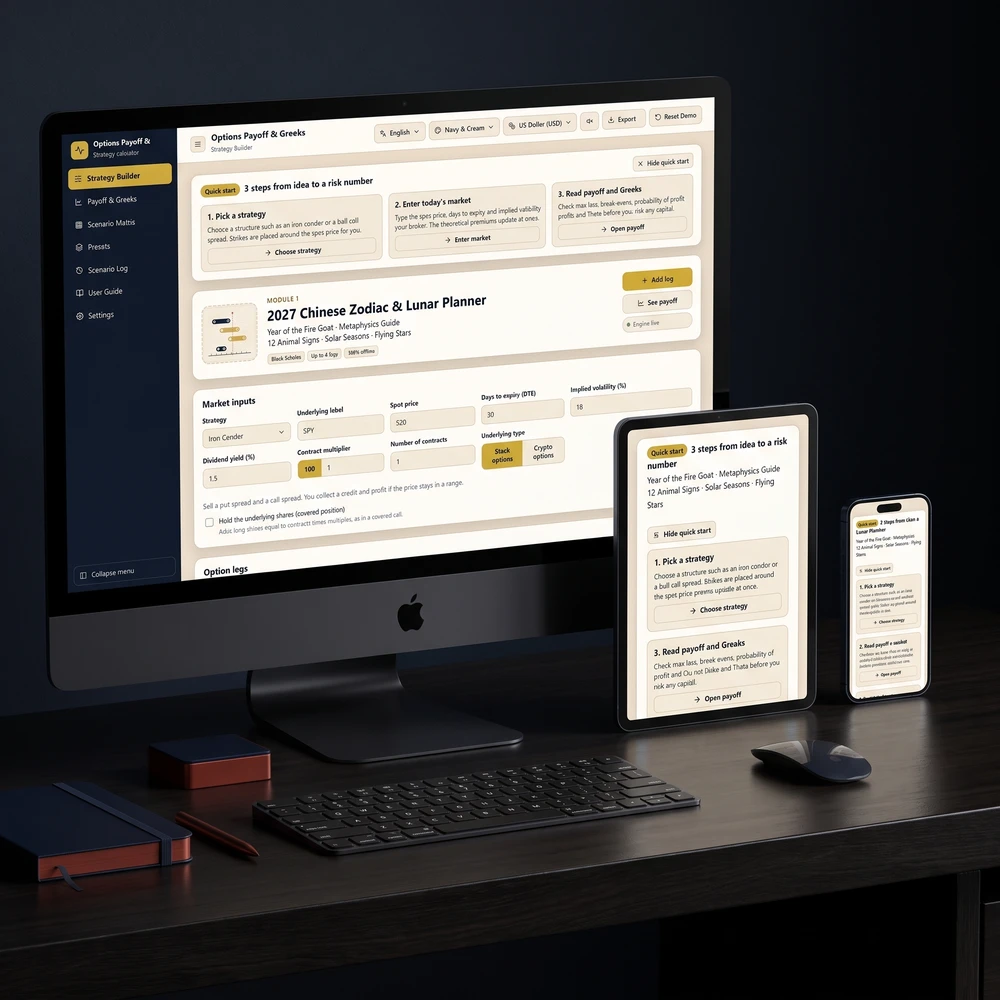
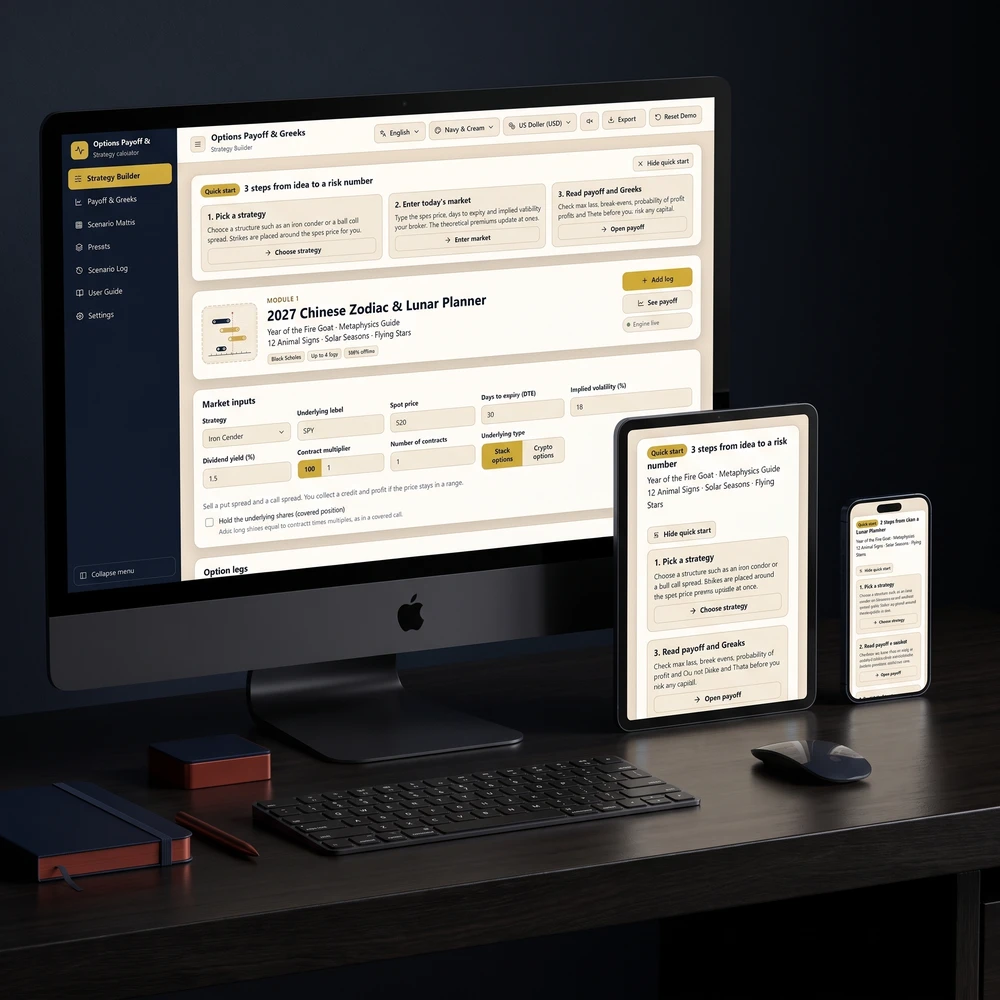
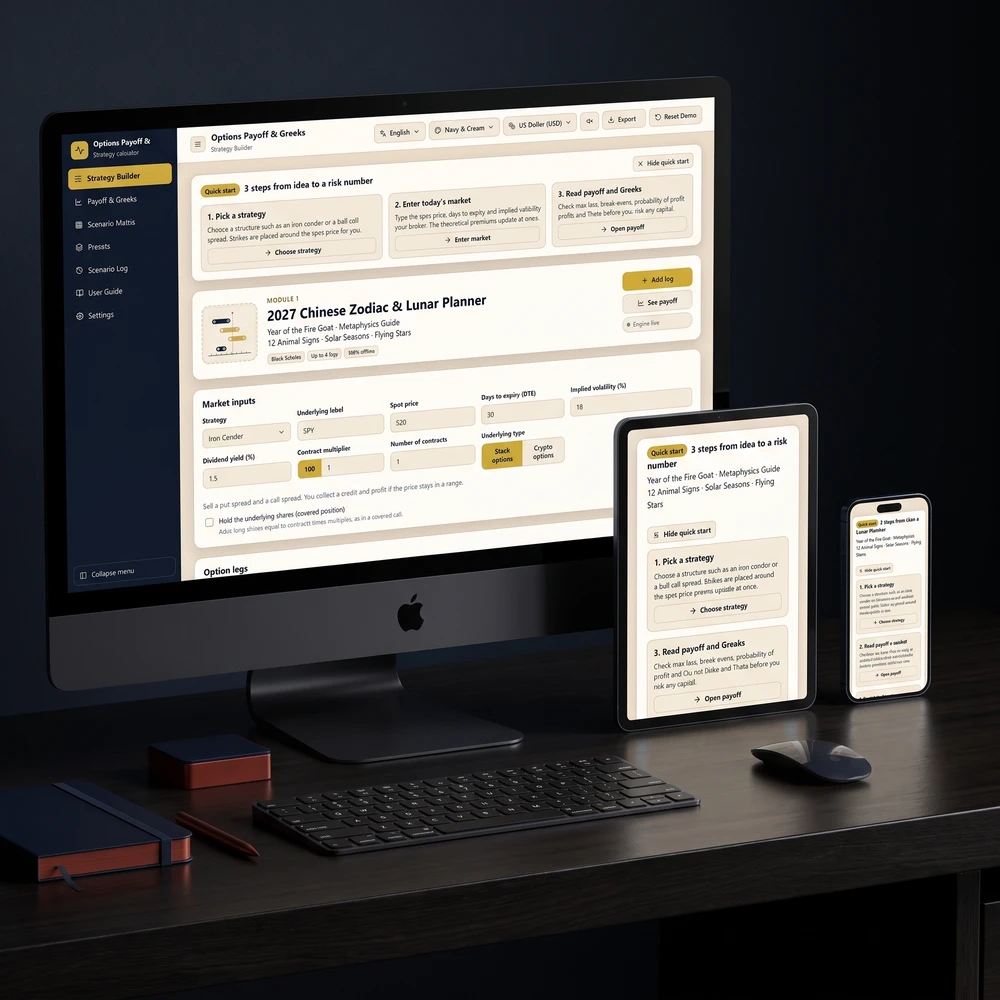
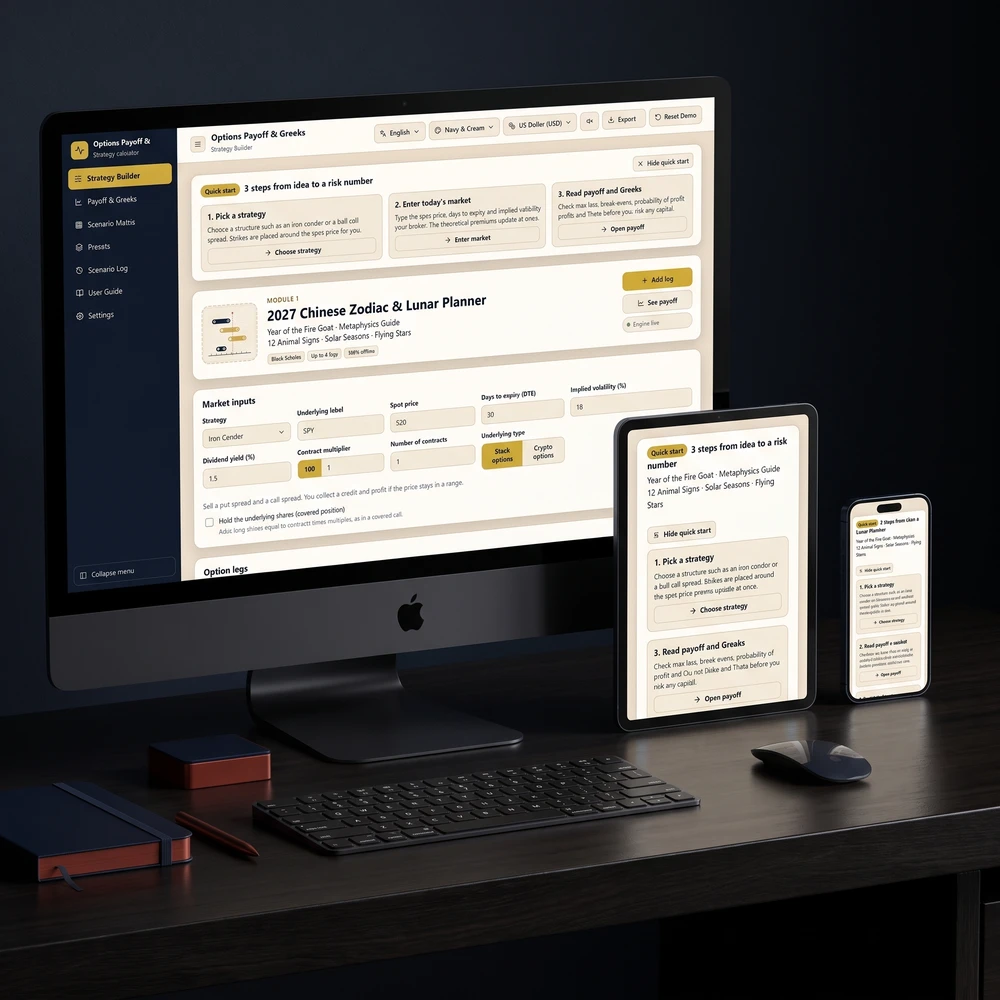

Deep Work & Focus Planner — Time Blocking, Focus Timer & Second Brain Dashboard
Plan deep work blocks, run focus sessions with a timer, and see whether your focused hours went where you meant them to.
Get Your Free 2027 Angel Number Year Map
Enter your birthday to reveal your 2027 Personal Year, the angel number guiding each month, and a private workspace to set your intentions.
Follow along
Daily rituals on your feed
Short guides, moon rituals and planner walkthroughs from Yin Yang Masters.




Keep exploring
More from Yin Yang Masters



Ask Yinyang Masters inside your AI assistant
Get the same calculations and guidance right in your chat: add the free Yinyang Masters app, then ask in plain English. No account needed.
Try asking: “Find a Yinyang Masters guide about starting a daily spiritual practice.”

Meet Moon Keeper, our live altar host
Every hour Moon Keeper reads the sky, draws one tarot card and shares a calm 3-minute reflection. Drop by the altar, follow the hourly diary and leave a note in the guestbook.

Get the Yin Yang Masters Letter Every Day
One short email a day: a practice for today, a real reader story, and the newest guide on love, money and inner calm.
For more than 8 years, a community of over 2,400,000 followers and 38,000+ students has shared how these daily practices helped in love, money and inner calm.