

Year in Review Template: 24 Questions to Close Your Year and Plan the Next


A year in review template is a short set of questions you answer in one sitting to look back on the past twelve months: what happened, what mattered, what you learned and what you want next. The template below has 24 questions in four parts. Copy it into a notebook or document and set aside about 90 minutes.
Goal Planner, Monthly Calendar & Zodiac Year Forecast
Every daily habit pushes a specific 2027 goal, so by year's end you can see exactly how far your 12 months took you.
- Open in 10s
- Private · $0 monthly
- EN · VI · ZH included

Want to go further with this result?
Your free 2027 Angel Number Year Map
Enter your birthday to see your 2027 Personal Year and the angel number for each month, with space to write your intentions.
Quick answers
The questions follow a simple reflective cycle, so the review ends with decisions for next year instead of a list of memories. At the end you will see how to turn your answers into goals you can track through 2027.
Year in Review Template: 24 Questions You Can Copy Today
The year in review template below uses the three questions from Terry Borton's reflective model (what, so what, now what), described in the overview of reflective practice. Answer each part in order and keep answers short: a line or two per question is enough.
Part 1: What happened (look back)
- What were the three biggest events of my year?
- What did I finish that I am proud of?
- What did I start and not finish?
- Where did most of my time go, month by month?
- Who did I spend the most time with?
- What did I buy, learn or try for the first time?
- What was my best day this year, and what made it good?
- What was my hardest week, and how did I get through it?
Part 2: How it felt (be honest)
- When did I feel most like myself?
- What drained my energy again and again?
- Which habit helped me most, and which one quietly slipped?
- What am I grateful for that I did not expect in January?
- What did I avoid, and what did avoiding it cost me?
- If this year had a title, what would it be?
Part 3: So what (lessons)
- What is one thing I now believe that I did not believe a year ago?
- Which decision would I make again without hesitation?
- Which decision would I change, and what would I do instead?
- What pattern shows up in my answers above?
- What should I stop doing next year?
Part 4: Now what (next year)
- What are three to five goals for next year, written so I can check them?
- Which one daily or weekly habit would move my biggest goal?
- What will I say no to so these goals have room?
- What is my word or theme for the year?
- When will I check my progress, and how often?
Get Your Free 2027 Angel Number Year Map
Enter your birthday to reveal your 2027 Personal Year, the angel number guiding each month, and a private workspace to set your intentions.
How to Write a Yearly Review in One Evening
A yearly review works best in one focused evening with your records open, not from memory alone. Plan for about 90 minutes: gather material first, answer the 24 questions second, then pick next year's goals last.
Start by opening what you already have: your calendar, photo roll, journal, bank statements and any habit or goal tracker. The peak–end rule describes how people judge an experience mostly by its most intense moment and its ending. A whole year is no different. Without records, a hard December or one great trip can color every answer.
Then work through the four parts in order:
- 20 minutes, gather: scroll your calendar and photos month by month and jot one line per month.
- 30 minutes, Parts 1 and 2: answer quickly; do not edit yet.
- 20 minutes, Part 3: read your answers and circle any pattern that appears twice.
- 20 minutes, Part 4: choose three to five goals and one habit for the biggest goal.
If you prefer a structured debrief, Graham Gibbs's reflective cycle (description, feelings, evaluation, analysis, conclusion, action plan) covers the same ground in six steps. For setting the goals themselves, the 2027 yearly planner goal-setting guide walks through a SMART worksheet that also names the likely obstacle.
Free Year in Review Template vs a Paid Planner
A free year in review template, like the 24 questions above, is enough to reflect on the year that just ended. A paid planner adds something a question list cannot: a record of the next year as it happens, so your next review reads real numbers instead of guesses.
| What you need | Free question template | Planner that tracks the year |
|---|---|---|
| Reflect on the year that just ended | Yes, works well | Not needed |
| Know how many weeks a habit actually held | Only from memory | Streaks and completion rates are saved |
| See which goals moved and which stalled | Rough guess | Milestones and pace are logged |
| Connect a goal to the habits behind it | You link them yourself | Built in |
| Cost | Free | One-time purchase |
Use the free template this December. If last year's review felt vague because you could not remember what happened in April, the missing piece is tracking during the year, not a better question list. For habits, the Habit Tracker & Streak Planner keeps current and longest streaks plus 7-day and 30-day completion rates for each habit, and exports check-ins and streaks as spreadsheets you can open next December when you answer question 11.
Best Annual Review Template Formats Compared
The best annual review template is the one you will finish, and for most people that is a written question list. Slide decks and videos suit sharing, while a digital planner suits people who want the next review to be quick because the year's data is already collected.
| Format | Best for | Watch out for |
|---|---|---|
| Written question list (this page) | Private, honest reflection | Relies on memory unless you have records |
| Printable worksheet | People who think on paper | Hard to search or compare across years |
| Slide deck or photo collage | Sharing highlights with family or friends | Easy to show the good and skip the lessons |
| Short video recap | Social sharing and memories | Takes hours to edit; little room for lessons |
| Digital planner with weekly reviews | Turning the review into next year's plan | Only helps if you open it during the year |
Personal and professional reviews are different documents. This template is for your own year, not a work performance review, so it asks what you want, not what a manager needs to rate. If you are still choosing a format for next year, the guide on whether a planner is worth it, paper or digital compares the trade-offs, and the best productivity planner guide shows what to check before you buy.
Turn Your Year in Review Into a Christmas Letter
A year in review Christmas letter is a short note, usually sent with a holiday card, that tells friends and family what your year held. Your answers to Parts 1 and 4 already contain most of it; the work is choosing three or four moments and keeping the tone warm.
The round-robin or Christmas letter has a long tradition and a reputation for bragging, so a few habits keep yours welcome:
- Open with one real moment, such as your best day from question 7, not a list of achievements.
- Keep it to one page and use the title you gave your year in question 14 as the heading.
- Include one honest line from your hardest week, without turning the letter into a confession.
- End with what is next from Part 4, and ask the reader one question about their year.

Write the private review first and the letter second. The private version can hold everything; the letter only needs the parts you are happy to share.
Put This Into Practice: Carry Your Review Into 2027
Your answers to Part 4 are only useful if you see them again before next December. Here is how the two planners pick up where the template stops:
- Goals from question 20 get milestones. In the 2027 Digital Planner & Goal Tracker, each goal opens to its milestones, linked habits and journal entries, and measurable goals show where you are now against where you should be by today.
- The habit from question 21 gets a streak. Every habit you tick on the Command Center counts toward a real goal, and streaks count only the days the habit was due.
- The check-in from question 24 becomes a weekly review. The planner's weekly review fills in its own numbers from your habits and milestones; you add what moved, what drained you and one lever for next week.
- Next December's review starts from records. Wins and insights you log in the journal stay linked to their goals, so question 2 has an answer already waiting.
Both apps open in your browser, work offline and keep your entries on your device. If habits are the part that slipped this year, start with the Habit Tracker & Streak Planner; if you want the whole year in one place, start with the 2027 Digital Planner. You can browse both in the productivity and habits collection.
For over 8 years, Jennie has practiced these exact steps with more than 2,400,000 followers and 38,000+ students. What people share most often: once they see their day and progress in one place instead of juggling scattered lists, they stop drifting through the year and see each habit moving a real goal.Sources & Verified References
- [1]https://en.wikipedia.org/wiki/Reflective_practice ↗
- [2]https://en.wikipedia.org/wiki/Peak%E2%80%93end_rule ↗
- [3]https://en.wikipedia.org/wiki/Round-robin_letter ↗
Reviewed for practical mindfulness & personal development alignment. Editorial Policy

Topic Pillar
Mindful Productivity & Focus
Calm time-planning methods, priority checklists, and note-taking habits to get meaningful work done without stress.
Tools featured in this guide
 Save 20%
2027 Digital Planner — Goal Planner, Monthly Calendar & Zodiac Year Forecast
A 2027 planner that links your goals, daily habits, weekly review and moon calendar in one web app, so every habit you tick moves a real goal forward.
$27.99$22.39$27.99₫609,000₫487,000₫609,000
 Save 20%
Habit Tracker & Streak Planner — Habit Stacking, 75-Day Challenges & Dopamine Reset
A habit tracker web app that links daily check-ins, streaks, habit stacks, challenges and urge logs, so you can see which habits are holding and which are slipping.
$27.99$22.39$27.99₫609,000₫487,000₫609,000
How readers changed with these practices
For more than 8 years, a community of over 2,400,000 followers and 38,000+ students has shared how these daily practices helped in love, money and inner calm.
 Love story
Twin Flame Journal Results: Real Stories & Daily Practice
Does a twin flame journal work? Real stories of healing after breakups, calling in a soulmate and finding calm, plus how the daily practice looks.
Read guide Money story
Money Manifestation Journal Results: Real Stories
Does a money manifestation journal work? Real stories of paying off debt, asking for a raise and easing money anxiety, plus the daily practice.
Read guide
 Love story
Manifest After a Breakup: Real Healing Stories
Real stories of manifesting after a breakup: how people used self-love affirmations, mirror work and a love journal to heal and open up again.
Read guide Money story
Manifest Debt Free: Real Stories of Steady Progress
Real stories of manifesting a debt-free life: money affirmations and an abundance journal paired with a clear goal, a deadline and daily evidence.
Read guide Love story
Manifest Your Soulmate: Real Stories That Started Within
Real stories of manifesting a soulmate: how people wrote an Ideal Partner Script, built a vision board and said yes to life before love arrived.
Read guide Money story
Manifest a Raise: Real Stories of Asking With Confidence
Real stories of manifesting a raise or promotion: clearing money blocks, practising confidence affirmations and logging proof before asking.
Read guide Love story
Twin Flame Reunion Stories: Real Journeys to Peace
Real twin flame reunion stories: how people used journey stages, a signs log and guided meditation to find peace during separation, together or apart.
Read guide Money story
Money Anxiety to Money Calm: Real Stories
Real stories of easing money anxiety: a short guided meditation before checking accounts, a weekly money date and a gentle look at old beliefs.
Read guide
More Guides in This Topic
View all (28) →Getting Things Done (GTD) Master Workflow Guide: Inbox Zero
Master David Allen's GTD workflow: learn the 5-step capture-to-engage process, achieve Inbox Zero, and build a stress-free external second brain.
Read guide
2027 Yearly Planner: Goal Setting Guide & Format Choice
A 2027 yearly planner works when goals, habits and weekly reviews connect. Set SMART goals with obstacles, then pick printable, free or digital.
Read guide
Best Productivity Planner: How to Choose the Right One
Best productivity planner? No single winner. Compare paper, digital and app planners, check the features that matter, and match one to how you work.
Read guide
Elon Musk Daily Schedule & 5-Minute Time Blocking Guide
Deconstruct Elon Musk's daily schedule and ultra-granular 5-minute time blocking routine. Practical templates for extreme productivity and focus.
Read guide
Go deeper: guide series on this topic
Each series answers one question across many cases, such as every angel number in love or every zodiac pair.

Productivity Frameworks by Profession
Every productivity framework activates specific cognitive rhythms and structural boundaries, requiring disciplined alignment with your profession's core demands to achieve sustained high-performance execution without…
240 guides
From the blog
Latest articles




Trending now
What readers are opening this week
Ranked by real visits over the last 7 days.
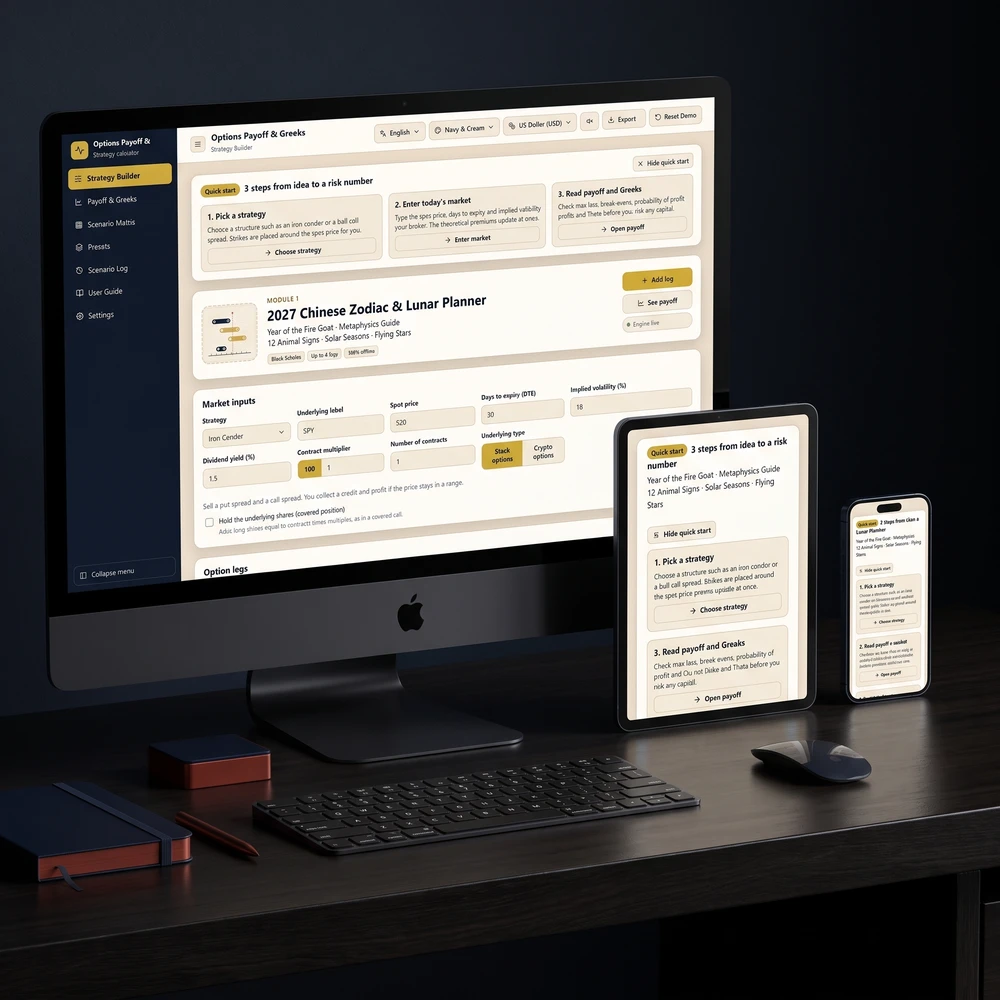
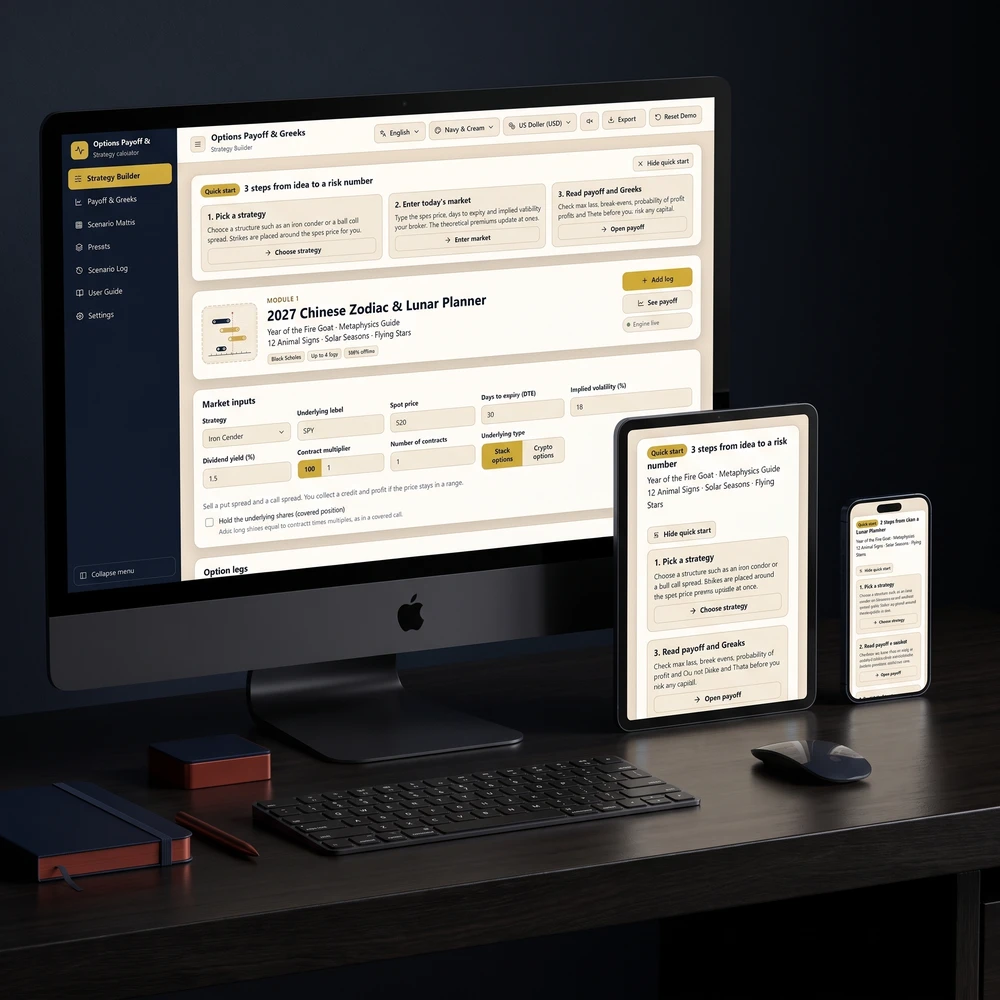
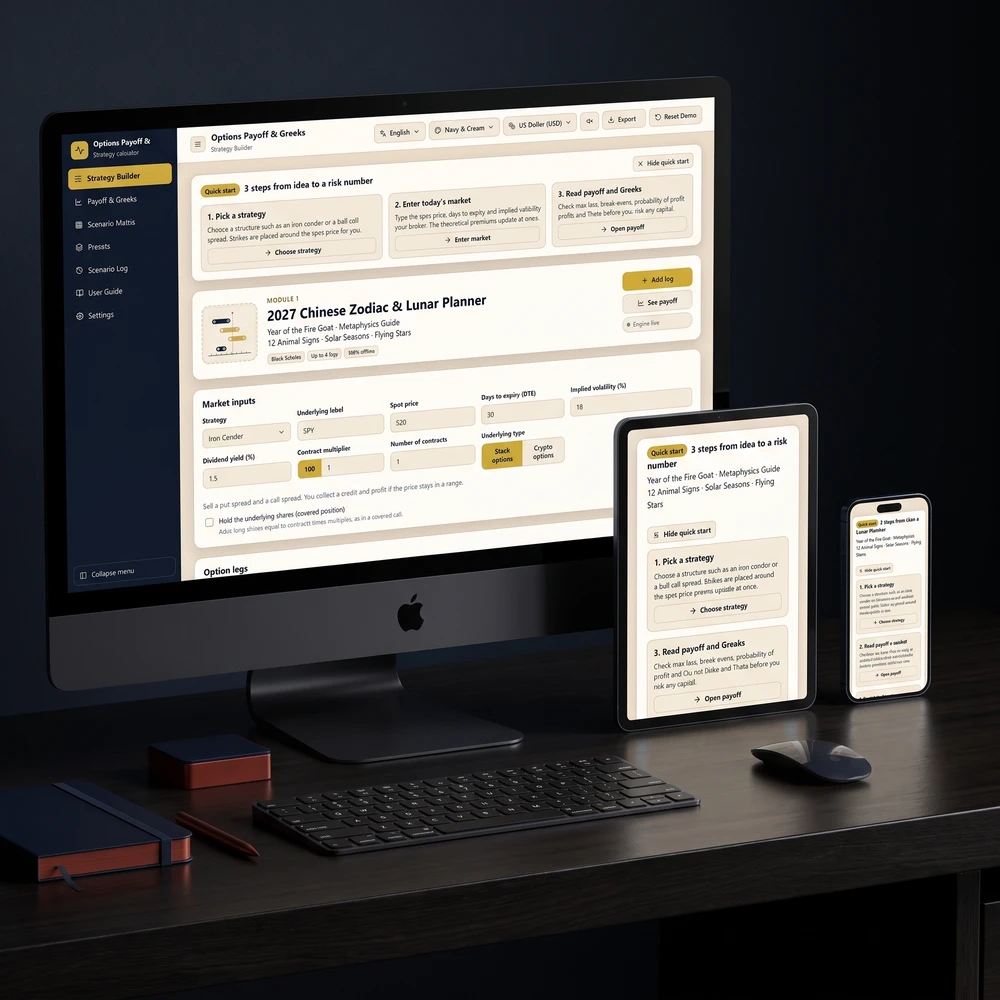
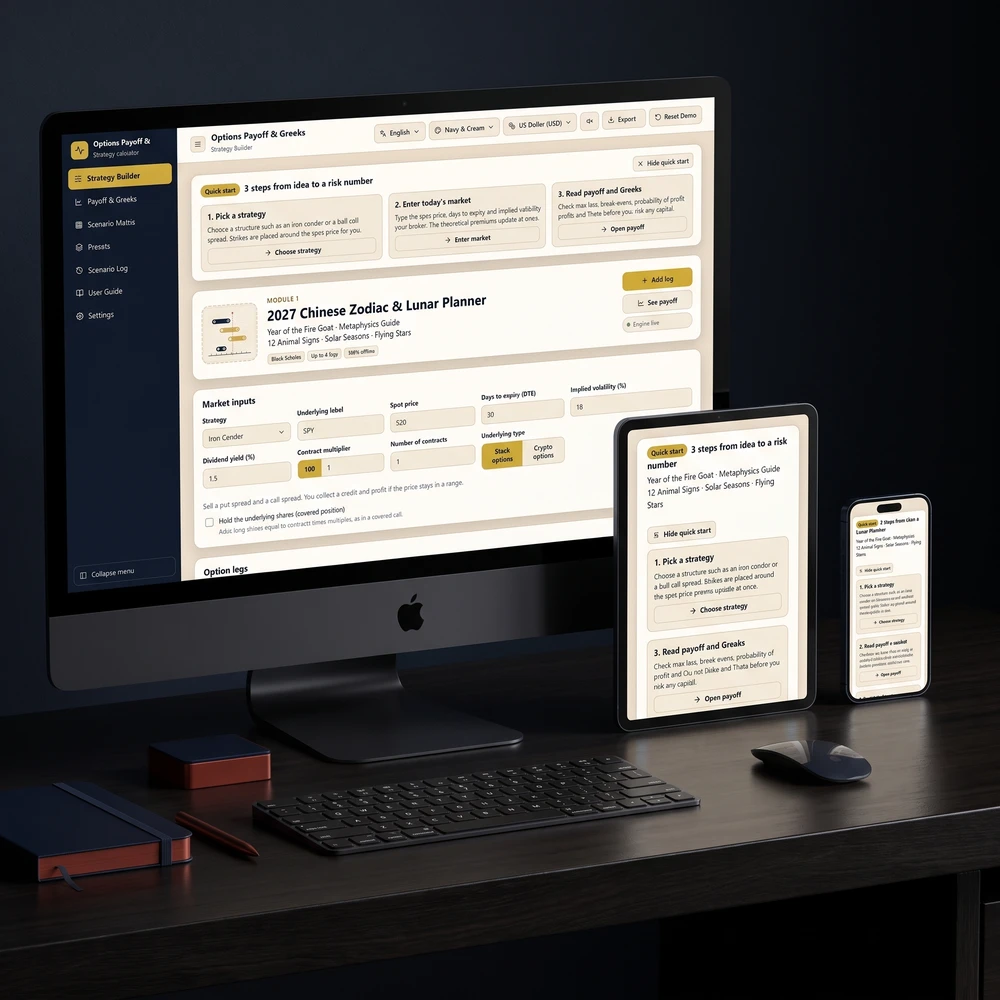

2027 Digital Planner — Goal Planner, Monthly Calendar & Zodiac Year Forecast
A 2027 planner that links your goals, daily habits, weekly review and moon calendar in one web app, so every habit you tick moves a real goal forward.
Get Your Free 2027 Angel Number Year Map
Enter your birthday to reveal your 2027 Personal Year, the angel number guiding each month, and a private workspace to set your intentions.
Follow along
Daily rituals on your feed
Short guides, moon rituals and planner walkthroughs from Yin Yang Masters.




Keep exploring
More from Yin Yang Masters




Ask Yinyang Masters inside your AI assistant
Get the same calculations and guidance right in your chat: add the free Yinyang Masters app, then ask in plain English. No account needed.
Try asking: “Build me a 30-day morning habit stack.”

Meet Moon Keeper, our live altar host
Every hour Moon Keeper reads the sky, draws one tarot card and shares a calm 3-minute reflection. Drop by the altar, follow the hourly diary and leave a note in the guestbook.

Get the Yin Yang Masters Letter Every Day
One short email a day: a practice for today, a real reader story, and the newest guide on love, money and inner calm.
For more than 8 years, a community of over 2,400,000 followers and 38,000+ students has shared how these daily practices helped in love, money and inner calm.