Steve Jobs Daily Routine & Ruthless Simplicity: Minimalist Protocol Guide

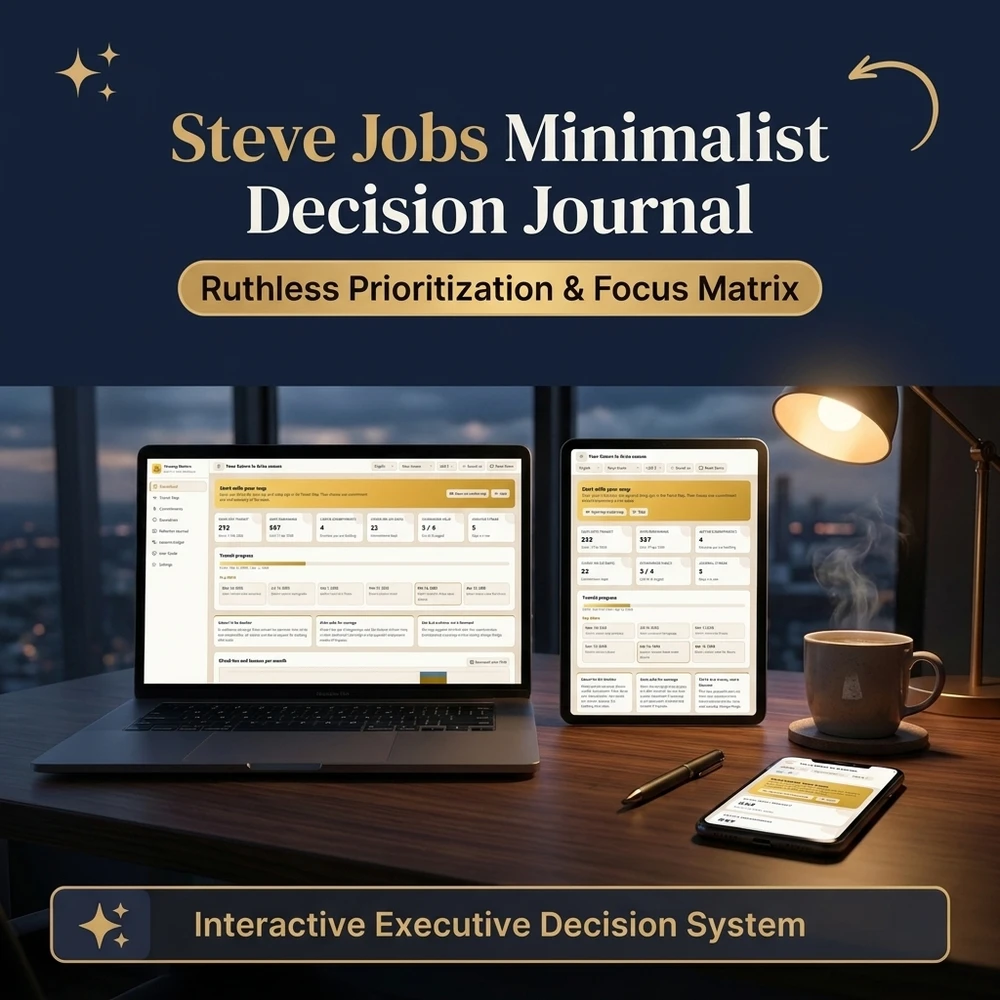
Steve Jobs' daily routine centered on radical cognitive minimalism: stripping away non-essential lifestyle choices to preserve mental bandwidth for visionary product design and high-stakes executive decisions. By leveraging daily mirror mortality reflections, an identical black turtleneck uniform, walking meetings, and brutal focus, Jobs engineered one of the most prolific creative legacies in modern history.

Want to go further with this result?
Your free 2027 Angel Number Year Map
Enter your birthday to see your 2027 Personal Year and the angel number for each month, with space to write your intentions.

You just tried the quick preview. Open the full browser web app to save private entries on your device, listen to guided audio, and track daily progress.
- Open in 10s
- Saved on your device · $0 monthly
- EN · VI · ZH included
Quick answers

1. The Anatomy of Steve Jobs' Daily Schedule
Steve Jobs practiced an austere, Zen-inspired daily schedule designed to protect finite executive willpower from trivial lifestyle friction. Because every micro-decision regarding breakfast, clothing, or meetings subtracts energy from core product breakthroughs, Jobs structured his day around undisturbed morning deep work, afternoon hardware reviews, and outdoor walking dialogues:
06:00 – 07:00: The Solitary Awakening & Mirror Confrontation
Jobs rose early, typically around 6:00 AM. Before interacting with employees, family, or digital feeds, he stood before the bathroom mirror and conducted his legendary mortality audit. He reviewed key priorities for the day, centering his emotional state around existential urgency.
07:00 – 09:00: Deep Work at the Home Office
Before commuting to Apple's Infinite Loop headquarters, Jobs worked in his home study in Palo Alto. During this undisturbed two-hour window, he read drafts, reviewed top-tier engineering briefs, and answered urgent emails from global supply chain leaders.
09:30 – 12:00: Kinetic Walking Meetings & Product Reviews
Upon arriving at Apple, Jobs avoided formal conference rooms whenever possible. Instead, he conducted signature walking meetings. Research demonstrates that walking increases creative ideation by up to 60%; for Jobs, pacing outdoors removed organizational hierarchy and forced dialogue to remain direct and unscripted.
12:00 – 15:00: The Jony Ive Design Lab Sacred Hours
Every afternoon, Jobs spent hours in Apple’s ultra-secure Industrial Design studio with Chief Design Officer Jony Ive. The design lab contained long oak tables covered with tactile prototypes of unreleased MacBooks, iPhones, or iPads. Jobs walked table to table, picking up hardware, critiquing millimeter curvatures, and discarding concepts that lacked intuitive elegance.
15:30 – 17:30: Executive Team Synchronization
Late afternoon was reserved for cross-functional debates with operational leads like Tim Cook. Jobs subjected proposals to relentless cross-examination, testing whether teams were maintaining focus or succumbing to feature creep.
18:00 – 21:00: Family Dinner & Zen Simplification
Jobs returned home to Palo Alto for simple, unhurried dinners with his wife Laurene Powell Jobs and their children. His evenings were sparse—free of television, corporate galas, or ostentatious luxury—often concluding with long walks and classic music before sleeping around 10:30 PM.
For founders and operators seeking to protect their own 07:00–09:00 creative window from calendar bloat, the Deep Work & Focus Planner provides a 14-screen offline workspace. It includes a 7-day Deep Block Planner with overlap warnings, a Focus Timer that tracks interruption counts and calculated breaks, a Digital Declutter audit, and a Minimal Decision Journal specifically built to log what you said no to each day.
Get Your Free 2027 Angel Number Year Map
Enter your birthday to reveal your 2027 Personal Year, the angel number guiding each month, and a private workspace to set your intentions.
2. The Mirror Reflection Habit: Living in the Shadow of Mortality
In his historic 2005 Stanford Commencement Address, Jobs revealed the philosophical anchor that guided every major crossroad of his life:
"When I was 17, I read a quote that went something like: 'If you live each day as if it was your last, someday you'll most certainly be right.' It made an impression on me, and since then, for the past 33 years, I have looked in the mirror every morning and asked myself: 'If today were the last day of my life, would I want to do what I am about to do today?' And whenever the answer has been 'No' for too many days in a row, I know I need to change something."
Remembering that you are going to die is the most potent cognitive filter in human history. Almost all external expectations, social pride, and fear of embarrassment evaporate in the face of death, leaving only what is truly vital. Jobs used this morning confrontation to dissolve procrastination, fire underperforming vendors, and cancel mediocre projects before they consumed capital.
3. The Iconic Signature Uniform: Eliminating Decision Fatigue
One of Jobs' most recognizable trademarks was his unchanging daily uniform:
- Tops: Custom black silk-and-wool mock turtlenecks designed by legendary Japanese couturier Issey Miyake (Jobs owned over 100 identical pieces).
- Pants: Classic Levi's 501 original fit blue jeans.
- Footwear: Gray New Balance 991 or 992 running sneakers.
- Eyewear: Round, frameless Lunor spectacles.
Why did a billionaire technology titan dress identically every day? The scientific answer is Decision Fatigue.
Psychological research demonstrates that humans possess a finite quota of executive decision-making energy per day. Every decision—from choosing a tie to deciding what socks to wear—draws from the exact same prefrontal cortex reserves required to make multi-billion-dollar strategic calls. By standardizing his wardrobe:
- He reclaimed 15 minutes of pristine morning cognition.
- He removed trivial status games from his mental radar.
- He forged an indelible, authentic personal brand that communicated extreme focus and design austerity to shareholders, employees, and customers worldwide.
You can apply the same decision-fatigue elimination to recurring work requests inside the Deep Work & Focus Planner, using its AI Assistant Workflow Load and Request Template Log to standardize repetitive communication before it drains morning prefrontal bandwidth.
4. Conventional Daily Routines vs. Steve Jobs' Minimalist Protocol
Comparing conventional corporate schedules against Steve Jobs' minimalist protocol highlights how ruthless elimination outperforms busywork across six operational dimensions. While standard managers fragment their attention across crowded slide decks and twenty competing goals, Jobs compressed his focus into four product quadrants and three must-win priorities:
| Feature | The Conventional Corporate Routine | Steve Jobs' Ruthless Minimalist Routine |
|---|---|---|
| Morning Routine | Checking email in bed, 30 min choosing clothes | Mirror mortality audit, 30 seconds to dress in uniform |
| Meeting Culture | 10 people in conference rooms with PowerPoint | 1-on-1 walking meetings outdoors, zero slides |
| Product Portfolio | Dozens of mediocre SKUs chasing market segments | 4 distinct quadrant products (Desktop/Portable × Pro/Consumer) |
| Priority Setting | Long to-do lists containing 20+ conflicting goals | Top 3 Must-Win Battles; killing items #4 through #10 |
| Workspace Aesthetic | Cluttered desks, paper stacks, sensory overload | Bare white walls, pristine oak tables, zero distractions |
| Attitude Toward 'No' | Pleasing everyone, avoiding corporate friction | Saying 'No' to 1,000 good ideas to champion one great one |
As Jobs famously argued at WWDC 1997: "People think focus means saying yes to the thing you've got to focus on. But that's not what it means at all. It means saying no to the hundred other good ideas that there are. You have to pick carefully."
5. The Steve Jobs 2x2 Product Grid: The Legend of Ruthless Pruning
When Steve Jobs returned to Apple in 1997 after the NeXT acquisition, the company was ninety days from bankruptcy and drowning in dozens of confusing Macintosh, Performa, and Quadra models. During a strategy review, Jobs walked to a whiteboard and replaced the entire catalog with a clean 2x2 grid:
Jobs looked at his executive staff and uttered his ultimatum:
"Stop! This is crazy. Here is what we need: four great computers. Two for consumers, two for pros; two desktops, two portables. Everything else is canceled."
By executing this ruthless pruning:
- Apple canceled over 70% of its active product lines within weeks.
- The company laid off over 3,000 employees working on fragmented, low-margin products.
- Apple consolidated its supply chain, turned a $1 billion loss into an immediate $309 million profit the following year, and freed up engineering talent to invent the iMac, OS X, and ultimately the iPod.
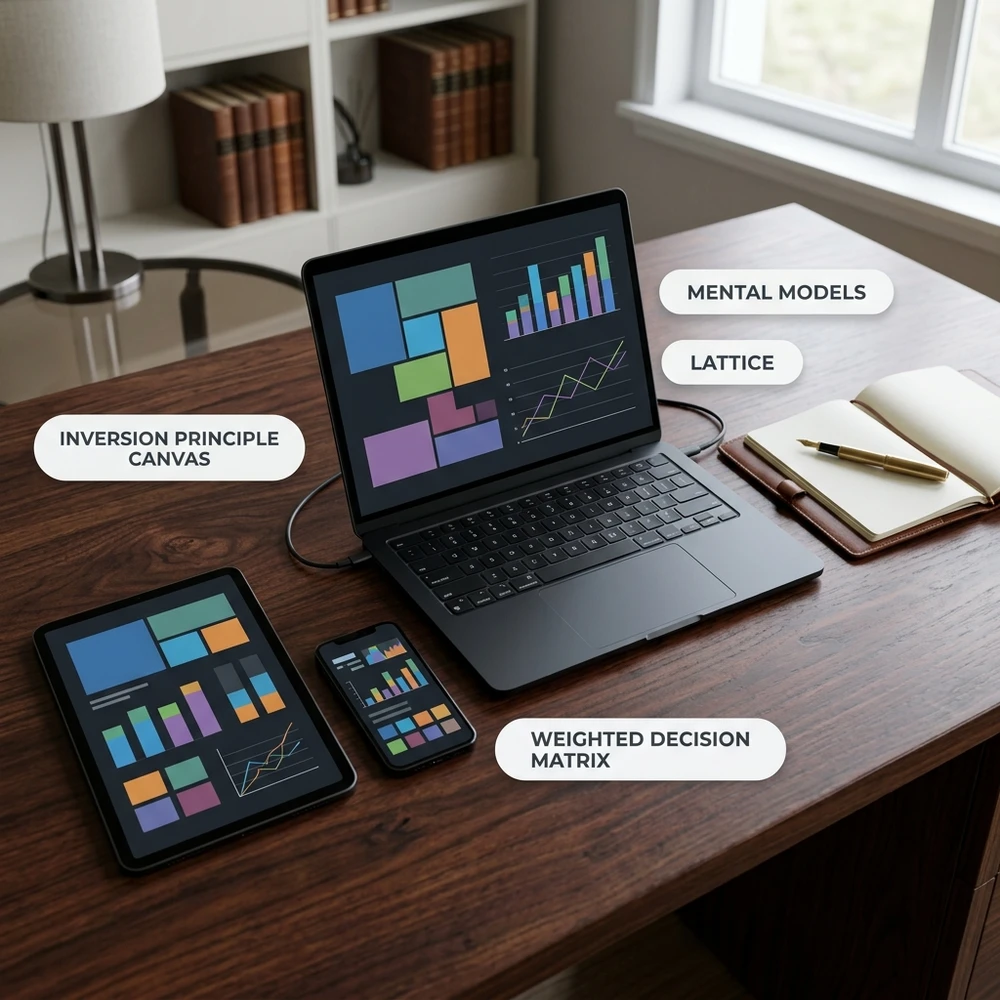
Builders overwhelmed by expanding roadmaps can run this exact pruning discipline inside the Decision Journal & Mental Models Toolkit. Its 13 screens feature a Weighted Decision Matrix that scores competing product bets 0–10 (showing totals out of 100 and the lead over second place), Five Thinking Lenses including the Hell-Yes-or-No filter and Inversion, a Pre-Mortem stress test, and a Time Audit & Top-5 Focus board that locks 5 goals in focus while banishing 20 good-but-distracting ideas to an explicit avoid list.
6. The Top 3 Must-Win Battles: The Retreat Ritual
Every year, Jobs took his top 100 most influential employees—whom he called the "Top 100"—on an exclusive, secretive offsite retreat. The selection was based purely on impact rather than corporate title: if an engineer was indispensable to the next breakthrough, they replaced a vice president.
On the final day of the retreat, Jobs stood before a whiteboard and asked:
"What are the 10 things we should do next?"
The room debated intensely as Jobs wrote down the ten best suggestions. Then, in trademark theatrical fashion, Jobs crossed out the bottom seven items and declared:
"We can only do three. The rest are distractions."
The psychological trap for ambitious leaders is rarely bad ideas; bad ideas are easily dismissed. The genuine threat to greatness is good ideas that dilute focus from the extraordinary few.
7. Walking Meetings & Sensory Immersion: The Kinesthetic Advantage
Jobs despised standard conference rooms, viewing slides as crutches for executives who lacked deep mastery of their material: "I hate the way people use slide presentations instead of thinking. People would confront a problem by creating a presentation. I wanted them to engage, to hash things out at the table, rather than show a bunch of slides. People who know what they're talking about don't need PowerPoint."
Instead, Jobs pioneered the executive walking meeting:
- Physical Movement Stimulates Blood Flow: Walking elevated oxygenation to the prefrontal cortex, enhancing problem-solving during heated debates.
- Side-by-Side Alignment: Walking side-by-side rather than facing each other across a desk converted adversarial conflict into collaborative problem exploration.
- Finite Duration: A walk around a Palo Alto neighborhood had an organic start and endpoint, preventing meetings from dragging on unnecessarily.
Strategic Topic Frameworks & Practical Connections
To deepen your practical mastery and build an integrated operational workflow within this topic, explore these complementary guides:
- Implement the execution protocols in Bill Gates Think Week Strategy & Yellow Pad Deep Reading Guide to systematically strengthen your foundational routine.
- Explore the strategic principles detailed in What is Founder Mode? Brian Chesky Hands-On Operations Guide for advanced optimization and mental clarity.
- Apply the structured methods from Charlie Munger Mental Models & Inversion Decision Matrix Guide to maintain long-term momentum and consistency.
Cross-referenced research signals for deeper decision clarity.
Consumer hardware market analysis evaluating spatial computing form factors, display silicon supply chains, and customer ecosystem lock-in.
Frequently Asked Questions
Steve Jobs typically woke at 6:00 AM, looked in the mirror to ask his signature mortality question ( "If today were the last day of my life, would I want to do what I am about to do today?" ), dressed in his identical uniform within thirty seconds, and worked for two hours in his home study on top priorities before heading into Apple headquarters.
Sources & Verified References
- [1]https://news.stanford.edu/stories/2005/06/youve-got-find-love-jobs-says ↗
- [2]https://hbr.org/2012/04/the-real-leadership-lessons-of-steve-jobs ↗
Reviewed for practical mindfulness & personal development alignment. Editorial Policy
Topic Pillar
Clear Thinking & Wise Decisions
Timeless thinking habits and practical perspectives from great leaders to help you make calm, confident choices.
Tools featured in this guide
 Save 20%
Deep Work & Focus Planner — Time Blocking, Focus Timer & Second Brain Dashboard
Plan deep work blocks, run focus sessions with a timer, and see whether your focused hours went where you meant them to.
$27.99$22.39$27.99₫609,000₫487,000₫609,000
 Save 20%
Habit Tracker & Streak Planner — Habit Stacking, 75-Day Challenges & Dopamine Reset
A habit tracker web app that links daily check-ins, streaks, habit stacks, challenges and urge logs, so you can see which habits are holding and which are slipping.
$27.99$22.39$27.99₫609,000₫487,000₫609,000
How readers changed with these practices
This is the same routine a community of more than 2,400,000 followers has used for 8 years, with 38,000+ students sharing their results along the way.
 Love story
Twin Flame Journal Results: Real Stories & Daily Practice
Does a twin flame journal work? Real stories of healing after breakups, calling in a soulmate and finding calm, plus how the daily practice looks.
Read guide Money story
Money Manifestation Journal Results: Real Stories
Does a money manifestation journal work? Real stories of paying off debt, asking for a raise and easing money anxiety, plus the daily practice.
Read guide
 Love story
Manifest After a Breakup: Real Healing Stories
Real stories of manifesting after a breakup: how people used self-love affirmations, mirror work and a love journal to heal and open up again.
Read guide Money story
Manifest Debt Free: Real Stories of Steady Progress
Real stories of manifesting a debt-free life: money affirmations and an abundance journal paired with a clear goal, a deadline and daily evidence.
Read guide Love story
Manifest Your Soulmate: Real Stories That Started Within
Real stories of manifesting a soulmate: how people wrote an Ideal Partner Script, built a vision board and said yes to life before love arrived.
Read guide Money story
Manifest a Raise: Real Stories of Asking With Confidence
Real stories of manifesting a raise or promotion: clearing money blocks, practising confidence affirmations and logging proof before asking.
Read guide Love story
Twin Flame Reunion Stories: Real Journeys to Peace
Real twin flame reunion stories: how people used journey stages, a signs log and guided meditation to find peace during separation, together or apart.
Read guide Money story
Money Anxiety to Money Calm: Real Stories
Real stories of easing money anxiety: a short guided meditation before checking accounts, a weekly money date and a gentle look at old beliefs.
Read guide
More Guides in This Topic
View all (15) →Charlie Munger Mental Models & Inversion Guide
Master Charlie Munger's multi-disciplinary mental models lattice, the fatal inversion thinking principle, and weighted executive decision matrices.
Read guide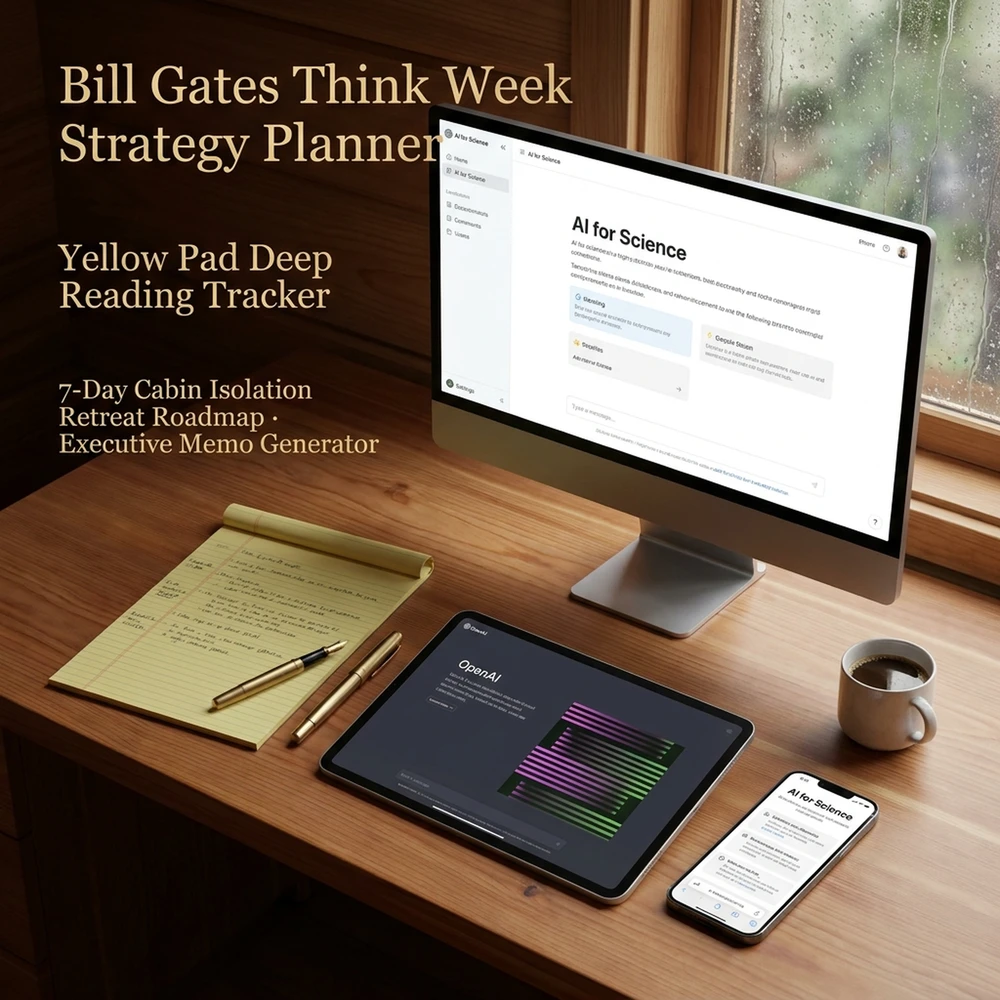
Bill Gates Think Week Strategy & Yellow Pad Reading Guide
Master Bill Gates' famous Think Week ritual: solitary reading retreats, tactical Yellow Pad note-taking, and strategic thesis memo formulation.
Read guide
Never Split the Difference Summary: Tactical Empathy Guide
Master Never Split the Difference: tactical empathy, calibrated questions, salary negotiation scripts, and high-stakes deal-closing frameworks.
Read guide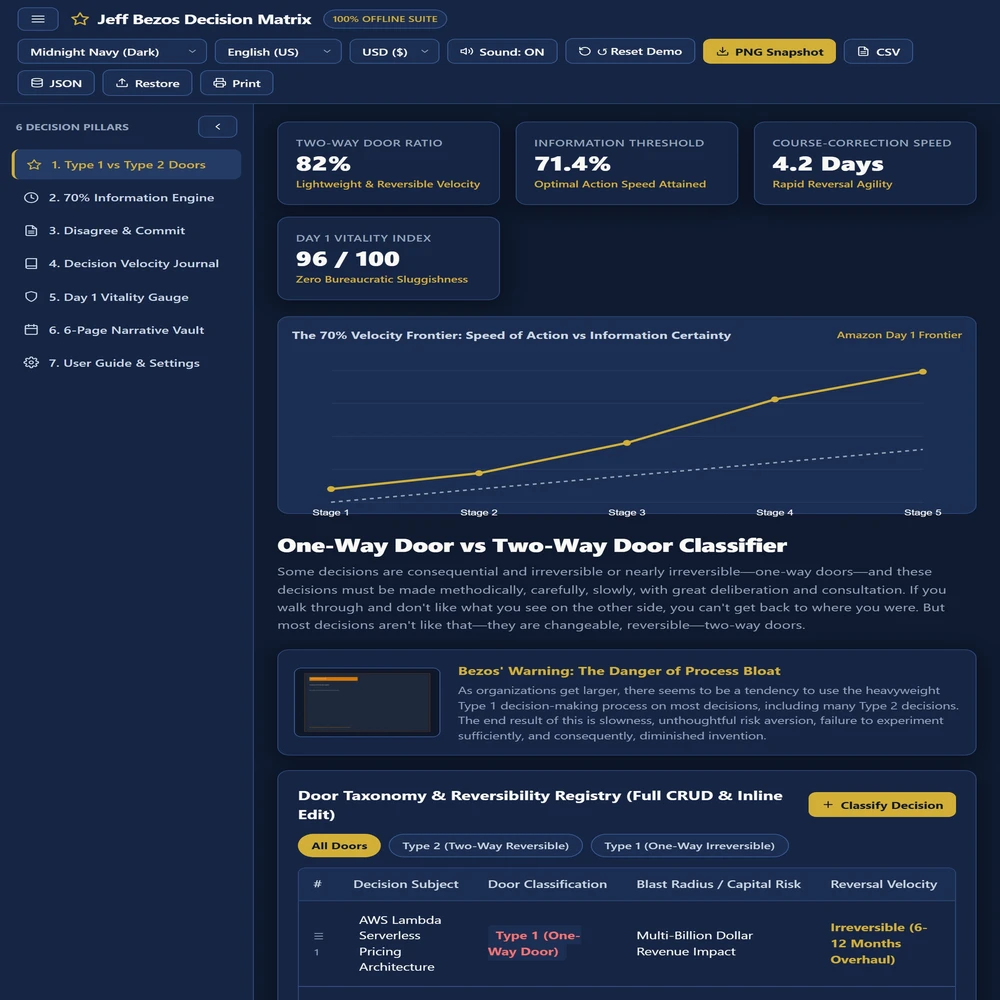
Jeff Bezos 70% Rule & Type 1 vs Type 2 Decisions Guide
Master Jeff Bezos's 70% decision rule, Type 1 vs Type 2 framework, and high-velocity decision-making tactics to eliminate organizational paralysis.
Read guide
Go deeper: guide series on this topic
Each series answers one question across many cases, such as every angel number in love or every zodiac pair.

Mental Models for Real Situations
Mental models are cognitive representations of how things work in the real world, providing executive frameworks to deconstruct high-stakes decisions and eliminate behavioral blindspots.
120 guidesFrom the blog
Latest articles




Trending now
What readers are opening this week
Ranked by real visits over the last 7 days.
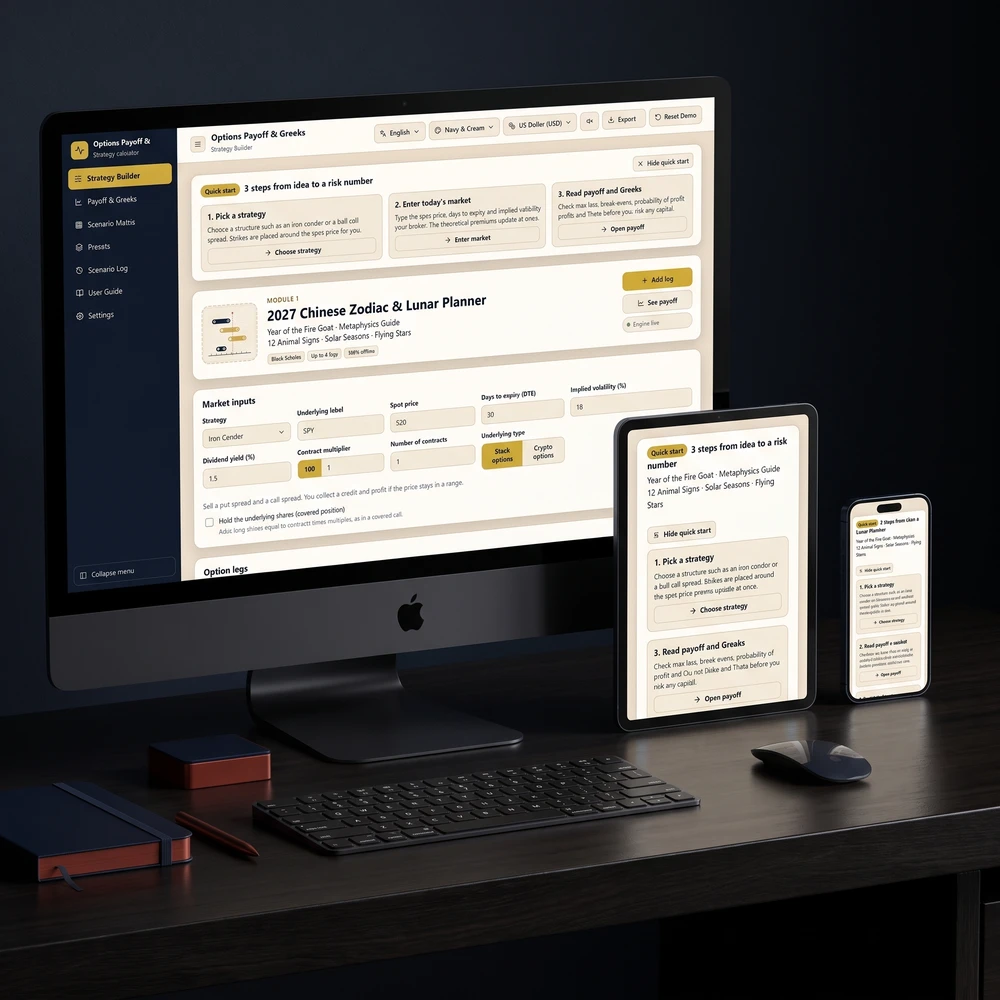

Deep Work & Focus Planner — Time Blocking, Focus Timer & Second Brain Dashboard
Plan deep work blocks, run focus sessions with a timer, and see whether your focused hours went where you meant them to.
Get Your Free 2027 Angel Number Year Map
Enter your birthday to reveal your 2027 Personal Year, the angel number guiding each month, and a private workspace to set your intentions.
Follow along
Daily rituals on your feed
Short guides, moon rituals and planner walkthroughs from Yin Yang Masters.




Keep exploring
More from Yin Yang Masters



Ask Yinyang Masters inside your AI assistant
Get the same calculations and guidance right in your chat: add the free Yinyang Masters app, then ask in plain English. No account needed.
Try asking: “Find a Yinyang Masters guide about starting a daily spiritual practice.”

Meet Moon Keeper, our live altar host
Every hour Moon Keeper reads the sky, draws one tarot card and shares a calm 3-minute reflection. Drop by the altar, follow the hourly diary and leave a note in the guestbook.

Get the Yin Yang Masters Letter Every Day
One short email a day: a practice for today, a real reader story, and the newest guide on love, money and inner calm.
For more than 8 years, a community of over 2,400,000 followers and 38,000+ students has shared how these daily practices helped in love, money and inner calm.